Max Verstappen's Shocking Critique of F1's Energy Crisis: A Bold Statement or Premature Panic?
In a recent electrifying media session, Max Verstappen, the four-time Formula 1 World Champion and perennial force on the track, ignited a firestorm of controversy with his outspoken critique on the new energy management dynamics set to redefine the sport in 2026. His frank assessment that the upcoming regulations have transformed F1 cars into “not a lot of fun” has sent ripples through the paddock, catching both fans and fellow drivers off guard.
Verstappen’s remarks come at a pivotal moment in F1 history, as teams grapple with the significant shift brought on by the new regulations, which require drivers to master the art of energy accumulation and harnessing performance. While other drivers have expressed cautious optimism, Verstappen’s unsparing honesty paints a stark picture of a future where the thrill of unrestrained speed may become a distant memory.
“Honestly, it feels a bit more like Formula E on steroids,” Verstappen candidly stated, showcasing a blend of concern and realism. He articulated a sentiment shared by many, highlighting that the new cars simply do not embody the exhilarating essence of Formula 1 racing. The Dutch driver’s dissatisfaction is particularly poignant when he emphasizes his yearning for driving “flat out,” a freedom that the new regulations currently stifle.
The reactions from his peers have varied dramatically. While drivers like George Russell and Fernando Alonso have opted for a more diplomatic stance, hinting at the potential for adaptation and growth, Verstappen's stark critique has provoked a flurry of responses. Russell likened the new driving experience to “downshifting up a hill,” revealing a sense of acceptance towards the changes. In contrast, Lando Norris, the reigning World Champion, dismissed Verstappen’s concerns as overly dramatic, suggesting that the new challenges could invigorate the sport.
Lewis Hamilton, renowned for his intellect both on and off the track, highlighted the complexity of the new rules, noting that drivers may soon require a degree just to navigate the intricacies of energy management. His remarks hinted at a collective anxiety among the drivers, who are bracing for an era where racing might demand more strategic thinking than raw talent.
Verstappen’s bold declarations did not come without consequences. The FIA and FOM, aware of the potential fallout from such criticisms, are likely to take a dim view of the reigning champion’s reservations. After all, the health and popularity of Formula 1 hinge on the satisfaction of its most prominent figures. As Verstappen stated, “People will probably not be happy with me saying this, but I am outspoken, and I can’t help it.” His refusal to sugarcoat his feelings could be seen as both a strength and a liability.
Moreover, the implications of his comments extend beyond personal sentiment. Should the energy management issues persist, they could lead to a dramatic reshaping of F1’s competitive landscape, potentially driving away fans and talent alike. The fear that the sport could lose its lustre and that its most charismatic star might contemplate retirement due to regulatory dissatisfaction adds an alarming dimension to the discussion.
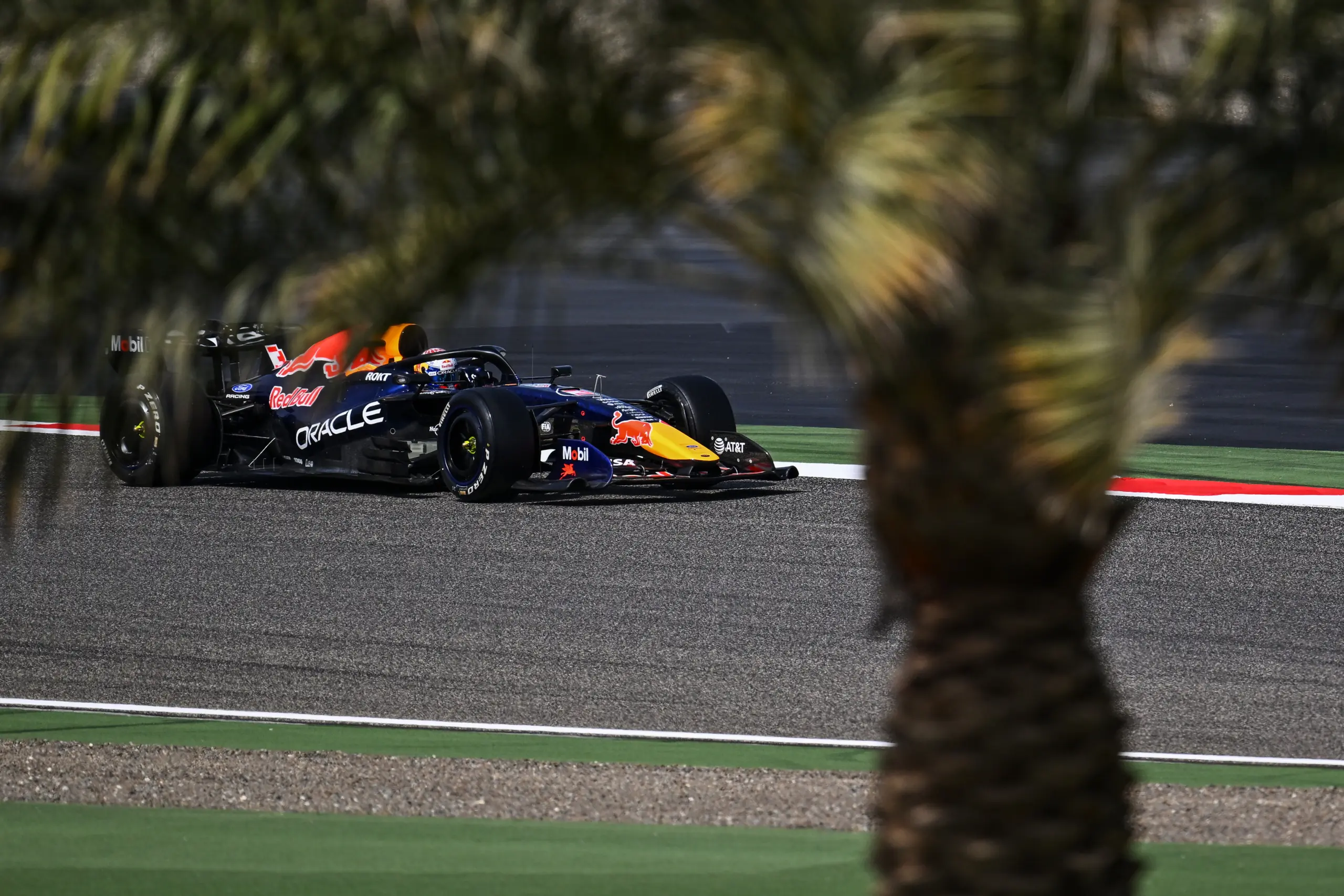
As the testing phase unfolds in Bahrain, drivers are beginning to grapple with the harsh realities of these energy-starved machines. The cars, while capable of breathtaking acceleration, are not without their limitations. The reduced downforce and increased complexity could lead to a series of frustrating races where drivers are forced to conserve energy rather than unleash their full potential.
Yet, it’s crucial to remember that early reactions to new regulations are often fraught with skepticism. The hybrid engines introduced in 2014 faced a similar backlash, only to evolve into a thrilling spectacle. Will the same happen for the 2026 regulations? The potential for growth and improvement is significant, and as teams refine their strategies and technologies, they may find a way to harmonize energy management with the exhilarating racing that fans crave.
For Verstappen, a driver who thrives on speed and challenge, the next few years will be critical. If the cars can be adapted to allow for greater performance without the shackles of energy conservation, perhaps his current reservations will fade into the annals of history. But until then, his candid critique serves as a wake-up call for F1 stakeholders to address the looming energy crisis before it jeopardizes the very essence of the sport.
As the countdown to 2026 continues, fans and drivers alike will be watching closely. Will the new regulations herald a new dawn for Formula 1 or plunge it into an era of mediocrity? Only time will tell, but one thing is clear: Max Verstappen is not afraid to ruffle feathers in pursuit of a sport he believes can—and should—be better.