Max Verstappen's Dire Warning About 2026 F1 Regulations Comes Back to Haunt the Sport
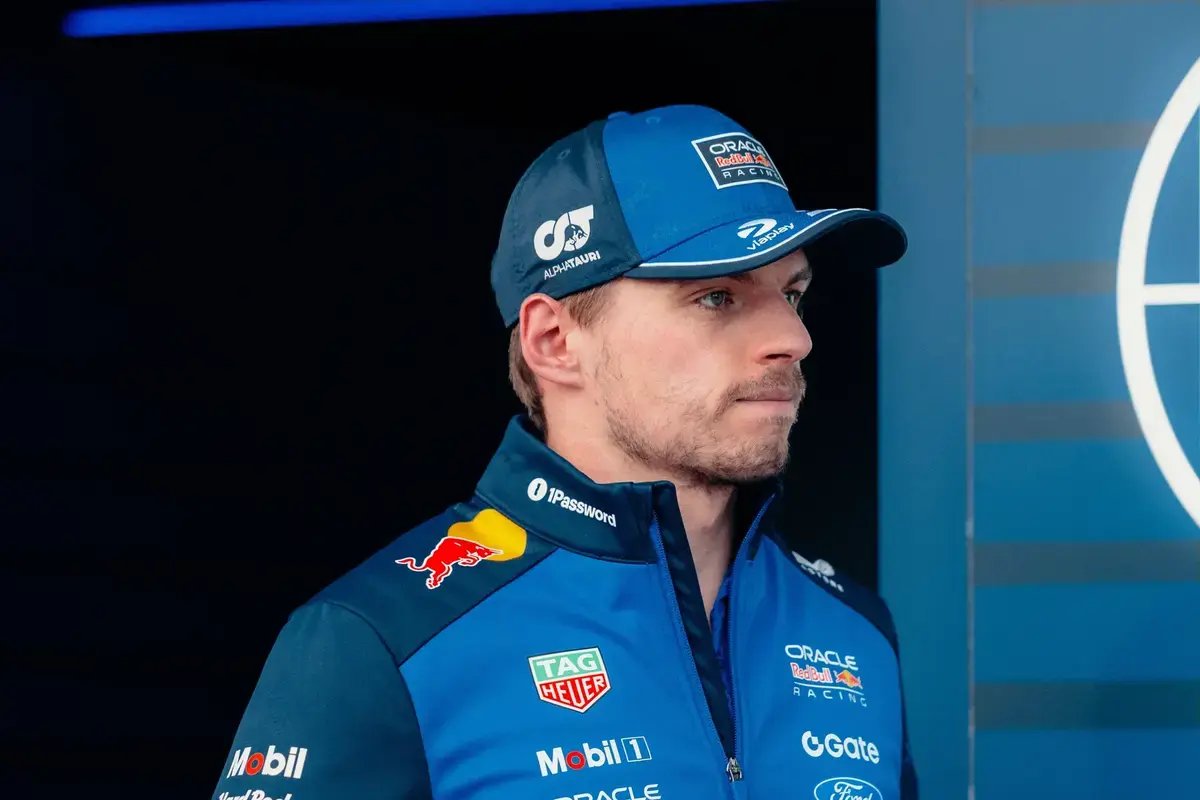
In a shocking twist of fate, it seems that Max Verstappen’s foreboding predictions about the 2026 Formula 1 regulations have come full circle, casting a dark shadow over the sport's future. Three years ago, during the 2023 Austrian Grand Prix, Verstappen voiced his concerns about the impending regulations, and now, after just three races under these new rules, he appears to be on the brink of leaving the sport altogether.
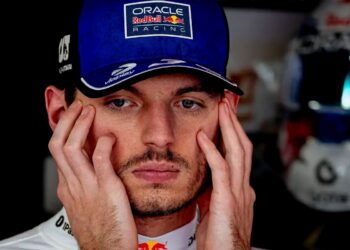
Verstappen's latest struggles culminated in a dismal eighth-place finish at the Japanese Grand Prix, leading to whispers in the Dutch media that the two-time world champion is “seriously considering” retirement from F1. In his post-race interview, he described his current relationship with the new cars as “not healthy,” sparking a frenzy of speculation about his future and commitment to Red Bull Racing.
The crux of Verstappen's frustration lies in the controversial energy harvesting and management techniques mandated by the new regulations. Instead of racing at full throttle, drivers are forced to employ strategies like “super clipping” and “lifting and coasting,” which fundamentally alter the essence of competitive racing. The Dutch star's internal battle with these changes has escalated to the point where he openly questions whether he can continue in a sport that feels increasingly alien.
Reflecting on his earlier comments, Verstappen's fears about the new rules have eerily manifested. In that fateful press conference from 2023, he candidly remarked, “To me, it looks pretty terrible,” expressing that the future of racing seemed bleak. His concerns about a potential “ICE competition,” where only the most powerful engines would dominate, resonate louder than ever. Verstappen had warned that such a scenario would lead to an expensive arms race among teams, stifling the spirit of innovation that F1 prides itself on.
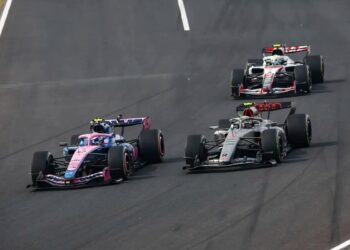
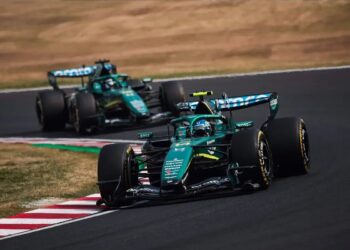
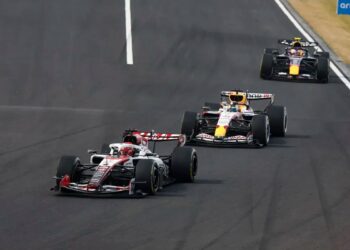
As he accurately predicted, the new regulations appear to favor raw engine power, leading Verstappen to declare that this trajectory is “not the right way forward.” He lamented the potential decline in overtaking opportunities, stating, “the cars probably have a lot less drag. So, it will be even harder to overtake on the straight.”
Moreover, Verstappen's apprehensions about the incorporation of active aerodynamics, which would strip drivers of their ability to control their cars, have further fueled his doubts. “If the system starts to control that for you, I don't think that's the right way forward,” he asserted, hinting at a future where the human element of racing is diminished.
With the clock ticking down to 2026, Verstappen's ominous insights reflect a growing discontent within the F1 community. He concluded his 2023 interview with a stark reminder: “We have to seriously look at this because '26 is not that far away. And at the moment, to me, it looks very bad from all the numbers and what I see from the data already. So, it's not something I'm very excited about at the moment.”
As tensions rise and the sport grapples with its identity, Verstappen’s prophetic warnings serve as a stark reminder of the delicate balance between innovation and tradition in Formula 1. The world watches as one of its brightest stars contemplates a future in a sport that may no longer align with his vision of racing. Will Verstappen find a way to adapt, or will he ultimately walk away from the sport he loves? Only time will tell.