Max Verstappen's Frustration: A Deep Dive into Red Bull's Struggles and the Shocking Crash that Shook F1
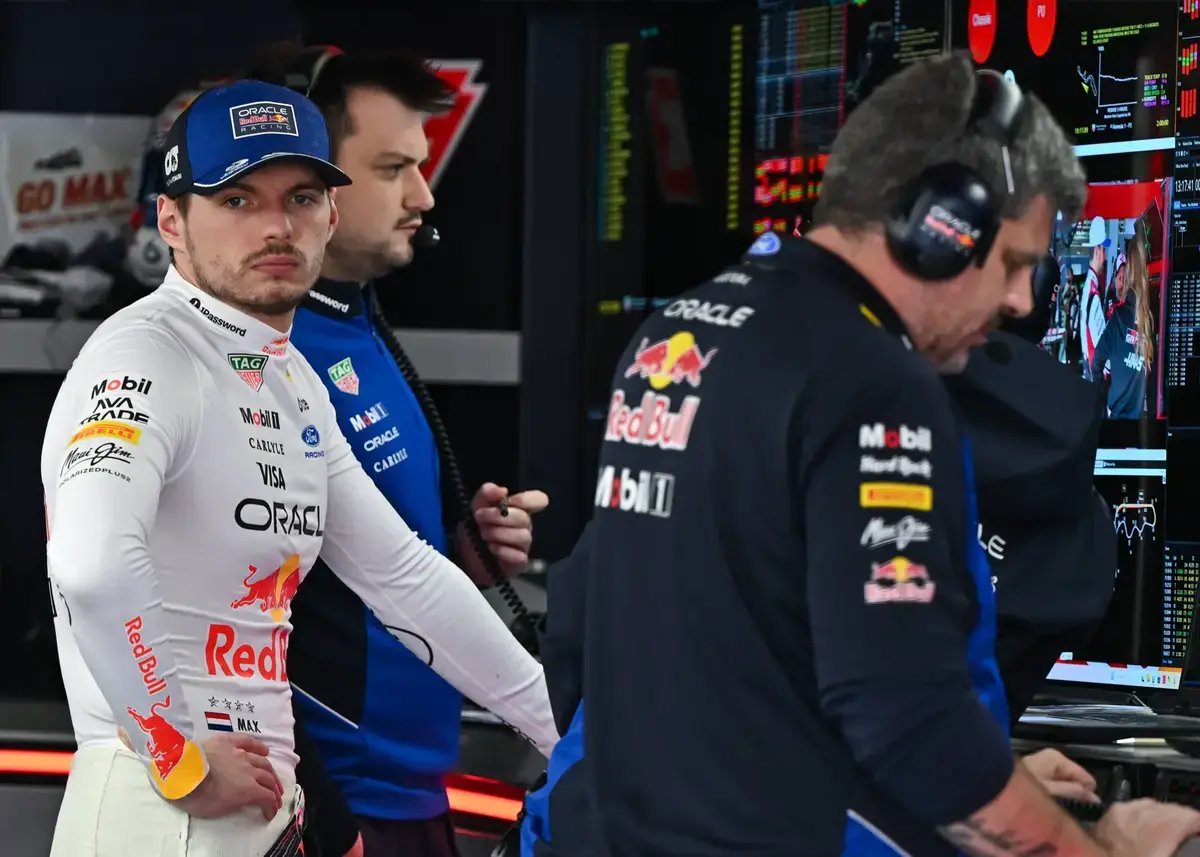
In a shocking twist to the 2026 Formula 1 season, Max Verstappen finds himself languishing in ninth place in the championship standings, with a mere 12 points to his name. The reigning four-time world champion has expressed deep dissatisfaction with his Red Bull RB22, which has failed to deliver the expected competitiveness on the track. The Japanese Grand Prix served as a catalyst for Verstappen's frustrations, highlighting the stark contrast between his past experiences at Suzuka and the current state of affairs under the new rules governing the sport.
Verstappen's love for the iconic Suzuka circuit was overshadowed by the challenges imposed by the new energy management requirements, which significantly altered the driving dynamics he once relished. His elimination in Q2 and subsequent inability to overtake Alpine's Pierre Gasly for seventh position only added to his discontent, with the Dutch driver pointing the finger at the revamped engine formula as a major culprit. “I had a good look at the back of the Alpine in that race,” Verstappen lamented, reflecting on the frustrating experience. “We were a tiny bit faster a lap, but you just can't pass.”
The race took a terrifying turn when Haas driver Oliver Bearman experienced a harrowing 50G crash after colliding with Franco Colapinto’s Alpine. Verstappen's response to the incident was tinged with sarcasm, suggesting that the FIA might exploit safety concerns to instigate changes in the regulations amidst growing criticism. “If it's all about safety, it's easy to fix things. You can use 'safety' for a lot of stuff,” he remarked, hinting at the possibility of re-evaluating his future in Formula 1 depending on the direction of the sport.
In a candid post-race discussion, Verstappen addressed the difficulties faced while racing under the current rules. “It's a bit tricky,” he explained when discussing energy management during overtakes. “If you deploy in one straight, you have nothing on the other.” The complexities of the new engine regulations have left drivers grappling with the challenge of managing their battery usage effectively, with Verstappen admitting the constant need for caution.
The 2026 regulations have drawn mixed reactions from the paddock, with some teams and the FIA insisting that while qualifying needs urgent attention, the racing itself is satisfactory. Verstappen, however, sees no distinction between the two. “For me, it's all the same,” he stated. “In qualifying, to go faster, you need to basically go slower. It's just not how it should be.”
As the season progresses, Verstappen's concerns extend beyond immediate performance issues. He is acutely aware of the heightened safety risks presented by the new regulations, as illustrated by Bearman's crash. The incident underscored the need for a reassessment of how the sport can ensure driver safety while maintaining competitive integrity.
With the season on pause, Verstappen is determined to understand the nuances of the new package and improve the stability of his car. “We have a lot of work to do,” he acknowledged, emphasizing the importance of collaboration with his team to navigate these turbulent waters. His motivation remains steadfast, even as he juggles the pressures of a challenging season.
As fans eagerly anticipate the next race at the Nurburgring, one thing is clear: Verstappen's journey through the 2026 season is far from over. The question remains—will the changes come fast enough to salvage the season for both the driver and Red Bull Racing? Only time will tell, but Verstappen's determination to reclaim his place at the front of the grid is undeniable. This season is proving to be a defining moment for the champion, and the stakes have never been higher.