Title: Shocking Crash at Japanese GP Unveils F1's Dire Safety Crisis
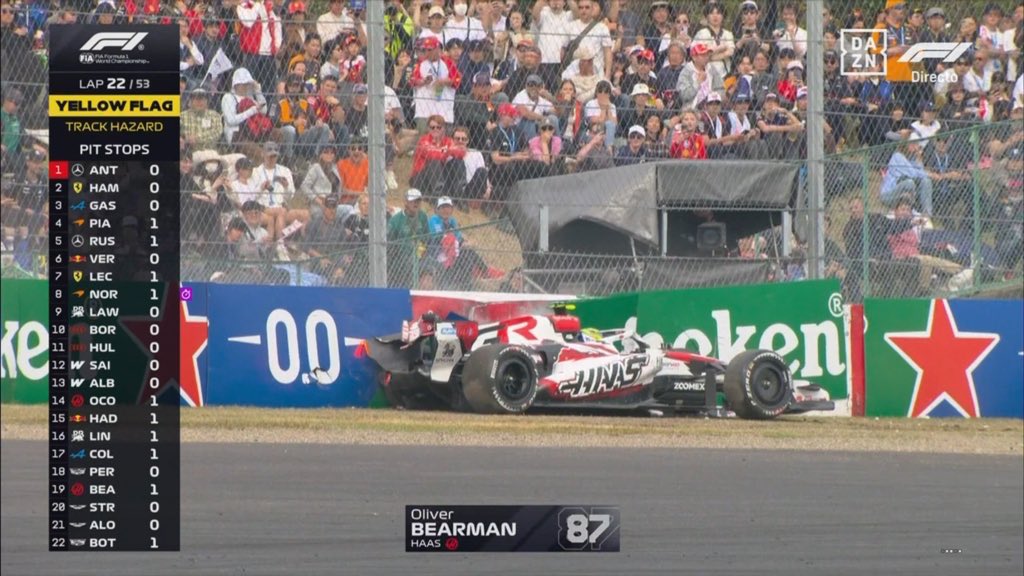
In a jaw-dropping turn of events at the Japanese Grand Prix, Formula 1 and the FIA are facing intense backlash following a catastrophic 50G crash involving Haas driver Oliver Bearman at the infamous Spoon Curve. The incident has ignited a firestorm of criticism from drivers, who are demanding urgent reforms to address the alarming closing speeds that have plagued the sport.
This harrowing crash is not just an isolated incident; it has brought to light a critical safety issue that drivers had been vocal about even before the season kicked off. The alarming reality is that the risks associated with high-speed racing are escalating, and many are pointing fingers at the governing bodies for their inaction.
In discussions following the race, drivers collectively expressed their outrage, highlighting that the terrifying closing speeds on the track create an environment where accidents like Bearman's are not just possible but likely. The call for immediate intervention has never been more urgent, as the safety of the drivers hangs in the balance.
As the F1 community reels from this shocking accident, experts and commentators are urging the FIA and team officials to take a hard look at the measures—or lack thereof—that have been implemented to ensure driver safety. With a five-week break in the racing calendar, the pressure is mounting for significant changes to be made before the next race.
The aftermath of Bearman's crash raises critical questions: Will the FIA finally heed the warnings of the drivers? What steps will be taken to mitigate the dangers that have been openly discussed for months? The clock is ticking, and the stakes have never been higher in the world of Formula 1 racing.
For fans and analysts alike, the conversation is shifting toward the future of the sport. Can F1 adapt and implement necessary safety measures before another tragedy strikes? As this gripping saga unfolds, one thing is clear: the time for action is now.