Maria Teresa de Filippis: The Trailblazing Female Force in Formula 1 History
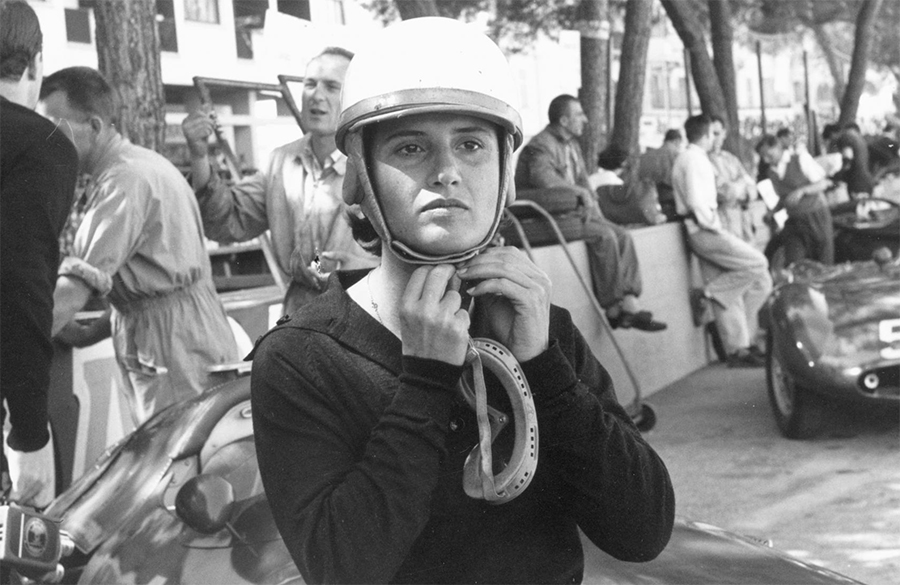
A decade ago, the motorsport world lost a true pioneer, Maria Teresa de Filippis, the first woman ever to race in Formula 1. Her legacy is not just about competing; it’s a powerful narrative of breaking barriers and challenging the status quo in a male-dominated sport.
Born in 1926 in the affluent suburbs of Naples, Italy, de Filippis was anything but an ordinary girl. With a father who supported her ambitions and a mother who couldn’t resist her winning streak, she ignited her racing career in the late 1940s. Her debut came in a Fiat 500, where she triumphed in the Salerno-Cava dei Tirreni race, showcasing a talent that would soon shake the foundations of motorsport.
Despite her early successes, the road to Formula 1 was fraught with challenges. De Filippis emerged in the late 1950s, entering five Grands Prix and marking her presence with a commendable 10th place finish at the iconic Spa-Francorchamps. However, her story is more than just numbers; it’s about resilience and defiance. She faced the rampant sexism of her time head-on, famously recounting how a race director once quipped, “The only helmet a woman should wear is the one at the hairdresser’s.” Yet, this didn’t deter her passion; she responded with humor and strength, turning the surprise at her success into a rallying point for women in racing.
De Filippis was no ordinary driver. She was a fierce individual who refused to be dictated by the norms of the era. Choosing Maserati over Ferrari, she declared, “Why would I want to be commanded by Mr. Ferrari?” This bold statement encapsulates her spirit of independence and desire for a more relatable team atmosphere. Under the mentorship of racing legends like Juan Manuel Fangio, she honed her skills, absorbing invaluable wisdom even as she defied expectations.
Her racing career, however, was tragically cut short. The harrowing death of her friend Jean Behra during a race in 1959 left her devastated. “Too many friends had died,” she lamented, citing a string of tragic losses that plagued the sport. The grim reality of racing became too heavy to bear, leading her to retire from the high-octane world of Formula 1.
After stepping away from the track, de Filippis dedicated herself to family life, but she never truly severed ties with motorsport. In 1978, she joined the former F1 drivers’ international club and rose to become its vice-president by 1997, advocating for the inclusion of women in racing.
Despite her groundbreaking role, the sport has seen minimal progress in gender representation since her departure. In the 67 years since de Filippis retired, only four women have entered world championship Grands Prix, with Lella Lombardi being the sole female driver to start a race in 1975 and 1976. This stark disparity underscores the ongoing struggle for female representation in motorsports.
Maria Teresa de Filippis was more than just a driver; she was a beacon of hope and a symbol of perseverance for women in racing. Her journey not only paved the way for future generations of female racers but also ignited a conversation about gender equality in sports. As we remember her today, we honor a legacy that transcends racing—a legacy that continues to inspire and challenge the norms of a still-evolving industry.