Mahle, a company founded in 1920 in Stuttgart, Germany, is recognized for having (many) competencies in both the development and production of components and systems for combustion, hybrid, and electric engines. Therefore, its opinion on the paradigm shift in the automobile is relevant, and its technical leaders do not believe in the future of a technology they have been working on for more than 15 years: range extenders.
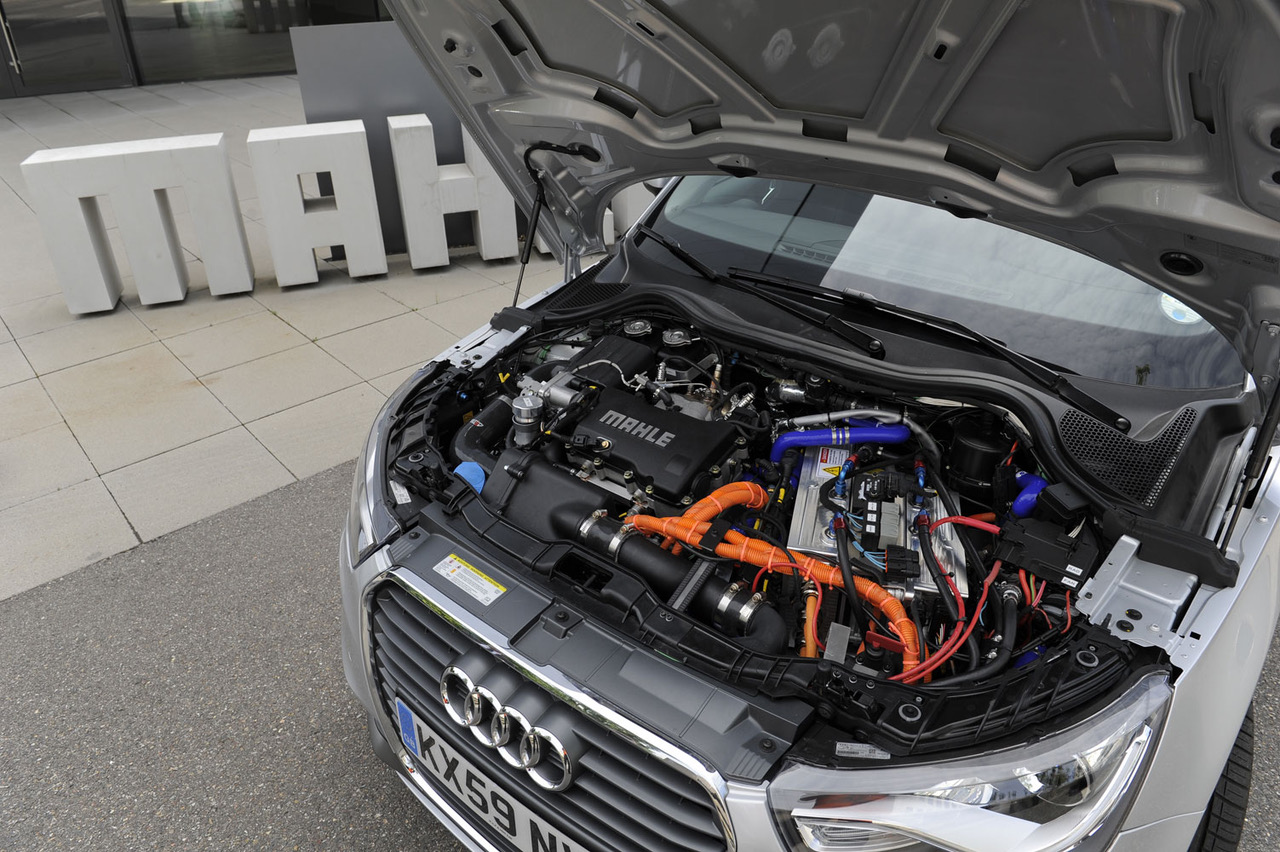
In these systems, combustion engines serve only to produce electricity, which is then supplied to the batteries that power the electric motors driving the vehicle’s wheels. The technology is gaining followers, as it facilitates the paradigm shift in the automobile, which is occurring in Europe much more slowly than policymakers had hoped.
Mahle has experience in the development and production of range extender systems for EREV (Extended Range Electric Vehicle), as well as in adapting internal combustion engines to function solely as power generators, which has allowed the company to collaborate with various European and Chinese manufacturers. This experience gives Mike Bassett, the Director of Engineering at the German company, a very privileged perspective on this topic.
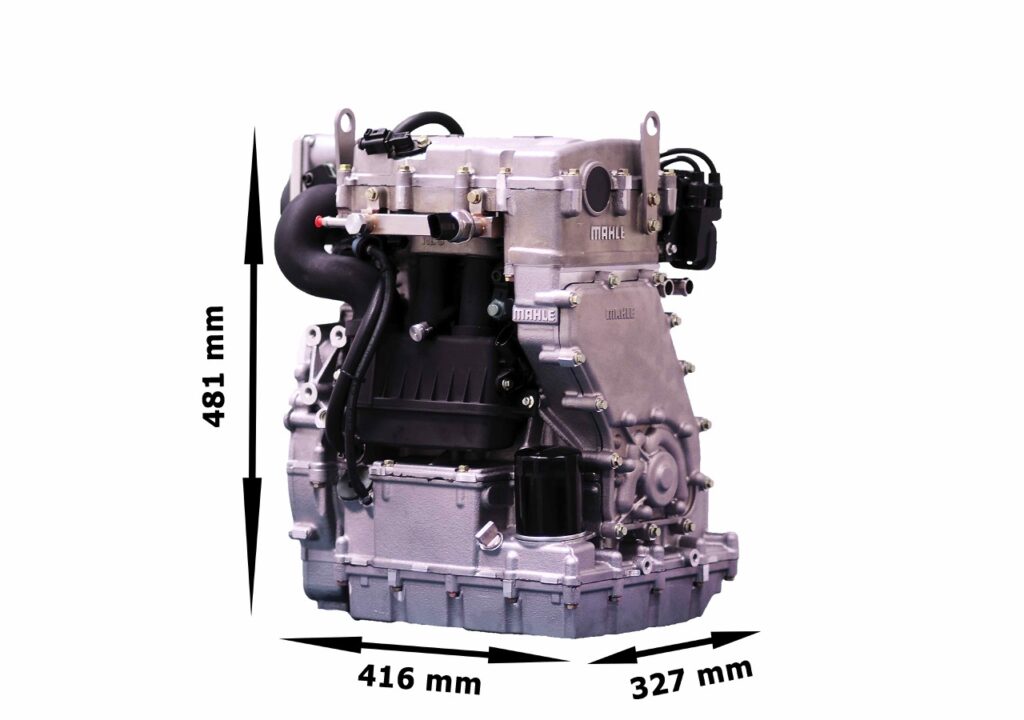
In an interview with the website Automotive World, the spokesperson acknowledges that the future of the technology is quite limited: “The recent interest in the systems is due to several factors. In China, for example, some manufacturers have licenses to produce only vehicles powered by new energies (NEV), a category that includes EREVs. In Europe, the models are interesting because they benefit from classification as plug-in hybrids.” Still, it is in the U.S. that the same interlocutor says he finds greater growth potential, due to the lower maturity of the charging infrastructure for electric car batteries.
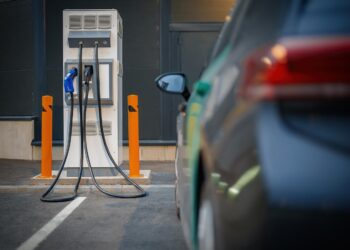
In the European context, Mike Bassett believes that renewable and synthetic fuels will play a more important role, combined with EREV technology: “Ethanol and methanol are great for internal combustion engines. As range extenders operate in a more stable manner, and are less dependent on driving dynamics, it becomes easier to optimize thermal efficiency levels.” However, according to Mike Bassett, two factors compromise the future of range extenders: the architecture of EREVs, which combines two propulsion systems, which “is not an ideal solution,”; and the progress made by both batteries and charging infrastructures: “If there were more charging points, and the process were much faster, there would be no need for us to have such large batteries, and the anxiety we associate with range would disappear.”
For this reason, for Mike Bassett, the advantages of EREVs are expected to gradually dissipate, although the speed of the transition largely depends on the evolution of the infrastructure… In the short term, however, interest remains – and it is high. “There is undoubtedly a lot of demand”, he concluded.