Title: Liam Lawson Sounds Alarm Over Monumental F1 Learning Curve Ahead of Groundbreaking Season!
As the countdown to the new Formula 1 season begins, Liam Lawson is sounding the alarm bells, revealing the colossal challenge that awaits all drivers in the wake of a revolutionary overhaul of the sport’s regulations. The young racing prodigy has candidly highlighted the “huge amount to learn” that will define the upcoming winter months for every competitor on the grid.
In what can only be described as the most seismic shift in F1 regulations in over a decade, teams will be grappling with sweeping changes to chassis and power unit specifications. Gone are the days of merely adapting to minor tweaks; the upcoming season presents an unprecedented set of challenges as the sport embraces a radical reset. This overhaul includes significant aerodynamic changes and the first major engine modifications since 2014, leaving drivers scrambling to master an entirely new rulebook.
Lawson emphasized the urgency of the situation, explaining that unlike previous years—such as 2017 and 2022—where adjustments were more localized, this time every facet of the sport is under the microscope. “We have a huge amount to learn,” the 23-year-old stated, making it clear that there’s no room for complacency as the winter break shrinks to its shortest duration yet. With the championship now extending into December, teams are set to hit the track as early as late January for a crucial five-day private test at the Circuit de Barcelona-Catalunya.
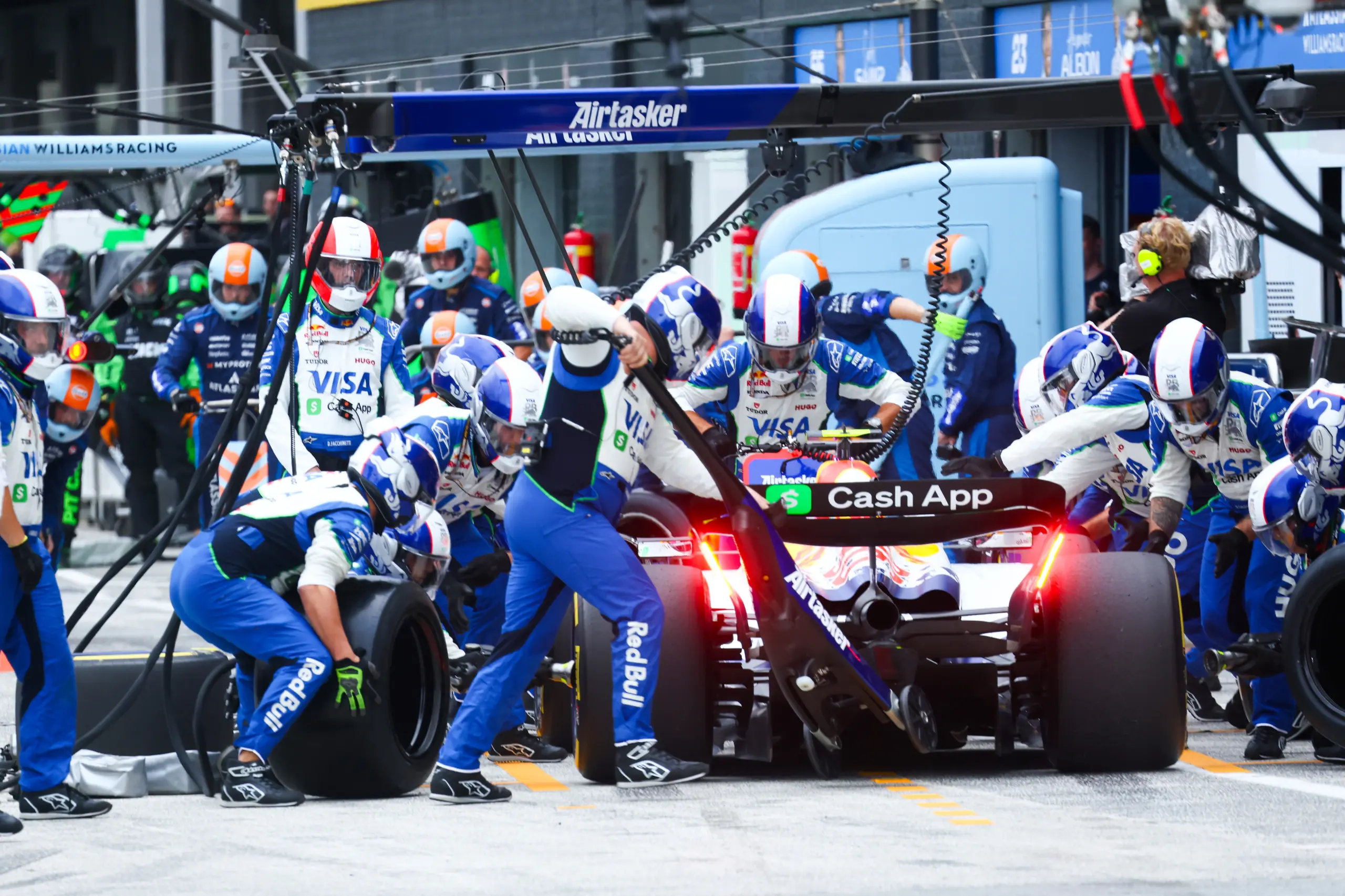
Reflecting on his offseason, Lawson quipped, “Yeah, pit stop at home, basically,” while noting that he plans to visit his family in New Zealand before diving headfirst back into preparations in early January. The road ahead promises to be intensely demanding, especially in the early stages of the season, as drivers must adapt quickly to a host of new technical demands.
The impending changes to the chassis regulations are nothing short of revolutionary. The introduction of active aerodynamics with X and Y modes signifies a dramatic shift in how cars will be driven, with vehicles becoming lighter and more compact. Furthermore, the balance of power is set to shift from the traditional 20/80 split between electrical and internal combustion engines to a more equitable distribution, necessitating a complete revamp of energy management strategies for drivers.
Adding another layer of complexity, the long-standing Drag Reduction System (DRS) will be eliminated after 15 seasons, replaced by innovative overtake and boost modes designed to enhance competitive racing. This confluence of changes means the grid will face a vastly different competitive landscape, one that demands a new driving style and adaptability from all participants.
Lawson concluded with a stark warning: “For us drivers, it’s going to be a very different driving style next year, and it’s probably going to take quite a bit of time to get on top of these cars.” As the new season looms, all eyes will be on the drivers as they navigate this unprecedented set of challenges.
Stay tuned for every exhilarating twist and turn of the Formula 1 saga with our comprehensive 2026 F1 calendar, perfectly designed for your smartphone or PC!