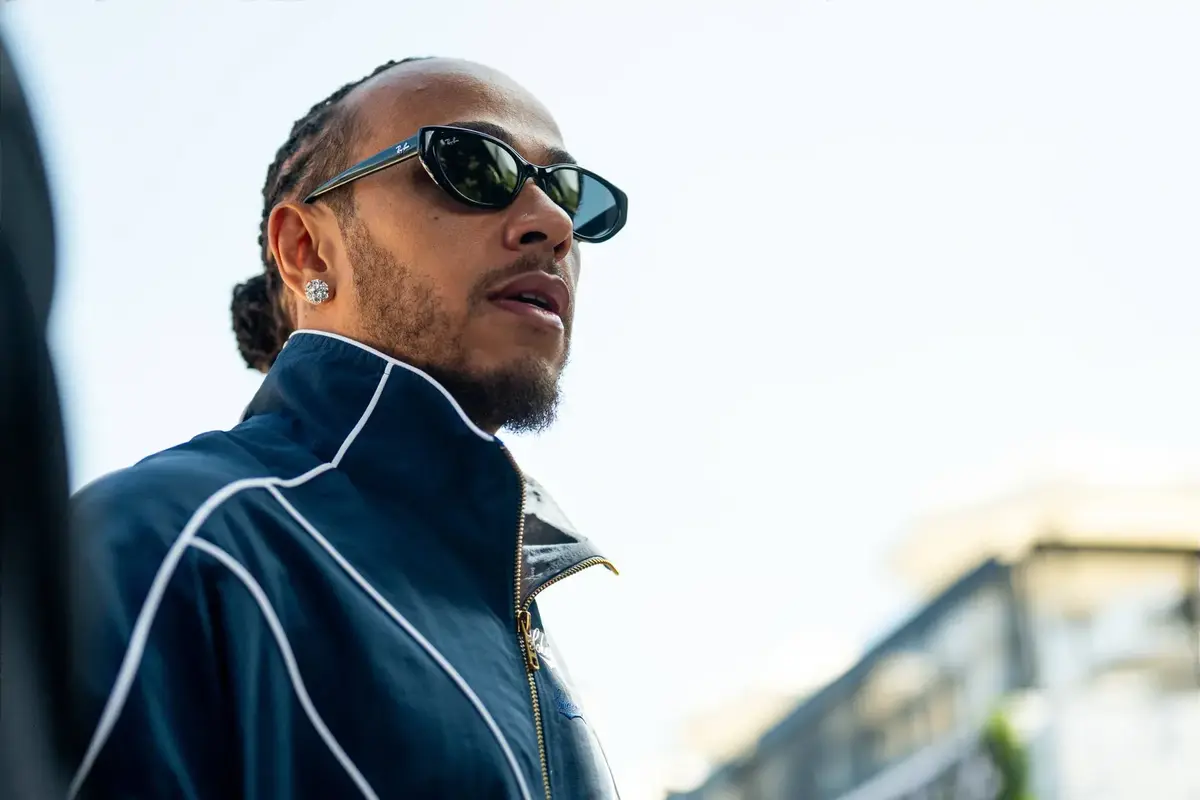
Lewis Hamilton Stands Firm: “I Won't Retire Until Africa Hosts an F1 Race!”
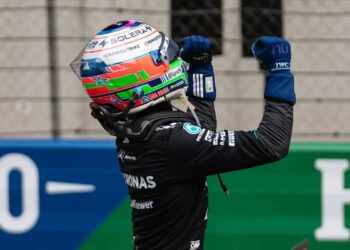
In a bold declaration that has sent shockwaves through the motorsport world, seven-time Formula 1 champion Lewis Hamilton has vowed not to hang up his racing gloves until the world's most prestigious motorsport series returns to Africa. With a staggering 33-year absence from the continent, Hamilton, 41, is on a mission to bring the Grand Prix back to its rightful place in Africa, passionately advocating for a race that he believes is long overdue.
Since the last race in South Africa in 1993, Formula 1 has ignored the continent, despite the calendar expanding to a record 24 races. This glaring omission has left fans and drivers alike questioning why Africa, a continent rich in culture and history, has been sidelined. Hamilton expressed his frustration: “I don't want to leave the sport without having a grand prix there, without getting to race there. I'm chasing them: when is it going to be? They're setting certain dates and I'm like ‘damn, I'm running out of time’.”
With roots tracing back to Togo and Benin, and a deep appreciation for the continent, Hamilton's commitment is not just personal; it’s a heartfelt plea for representation. “It’s something I’m really proud of, that part of the world, I think it's the most beautiful part of the world,” he said, highlighting his ties to Senegal and Nigeria, where he has family connections and has traveled to connect with his heritage.
The crux of the issue lies in which African nation could realistically host a Formula 1 race. South Africa stands out as the most viable option, with ongoing discussions about reviving the Kyalami Grand Prix circuit. However, these talks have faced significant roadblocks, notably accusations of South Africa supplying arms to Russia amid the Ukraine crisis, which derailed hopes for a return in 2024. Meanwhile, plans are in motion to upgrade Kyalami to FIA Grade 1 status, but official plans remain mired in uncertainty and competition from other potential venues like Cape Town.
Adding to the complexity, Rwanda has also expressed interest in hosting F1, with government officials previously meeting with F1 executives to discuss a potential bid. However, those discussions have stalled amid regional conflicts, particularly after warnings from the Democratic Republic of Congo regarding stability.
Hamilton has been fighting for an African Grand Prix for over six years, questioning the decision-makers about the glaring absence of the continent from the racing calendar. “Why are we not in Africa? We're on every other continent, why not Africa?” he challenged, underscoring the pressing need for inclusion.
F1 CEO Stefano Domenicali weighed in during a recent media roundtable, dampening hopes for immediate changes. “If this will be the case, it will not be in the short term because the need of building something from zero requires the right time,” he stated, predicting that any new additions to the calendar wouldn’t materialize before 2029.
Despite the lack of a Grand Prix, Africa remains linked to high-octane motorsport through events like the Safari Rally in Kenya and Formula E’s Cape Town race in 2023. However, Hamilton’s unwavering determination serves as a reminder that the call for an African presence in Formula 1 is not just a wish but a necessity.
As Hamilton continues his quest, the world watches closely. Will he succeed in bringing the thrill of Formula 1 racing back to Africa before he bids farewell to the sport? One thing is certain: Lewis Hamilton's legacy is not just about racing; it's about representation and the fight for inclusivity on the global stage.