Lewis Hamilton Unleashes the Truth Behind Dramatic F1 Regulations Shift for 2026 Season!
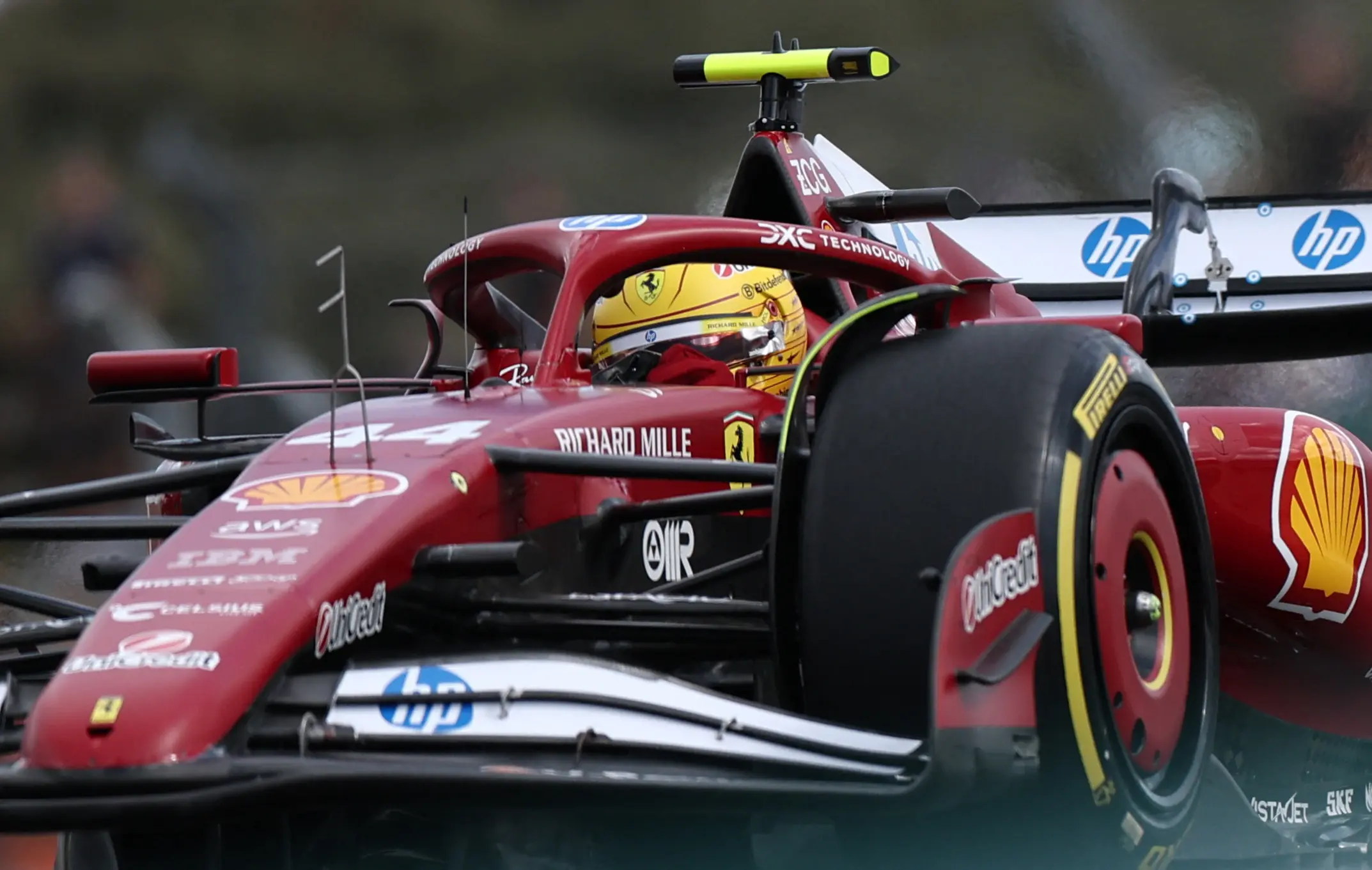
In a revelation that has sent shockwaves through the motorsport world, seven-time world champion Lewis Hamilton has laid bare the monumental transformations coming to Formula 1 as it gears up for the 2026 season. This radical overhaul of regulations is not merely a tweak but a seismic shift that promises to redefine the very essence of racing. Hamilton emphasizes that the core of F1 has always been about “challenging” competitors, and this new era is no exception.
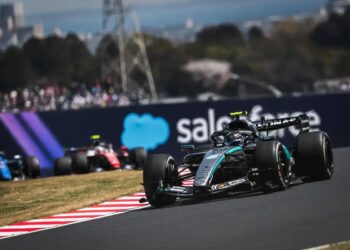
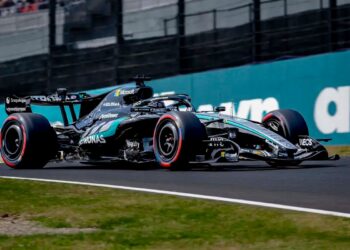
Prepare for a revolution! The upcoming changes will introduce entirely rewritten chassis and power unit specifications, marking the most substantial transformation in a generation. After years of focusing on aerodynamic tweaks, the spotlight now turns to the heart of the machines—the engines. For the first time since 2014, teams will grapple with significant changes that extend beyond mere aesthetics. The introduction of new engines, paired with lighter and smaller cars, is set to redefine performance on the track.
But it’s not just the weight of the cars that’s changing. The controversial decision to abandon Drag Reduction System (DRS) has left fans and drivers alike buzzing with anticipation. Instead, F1 is embracing the cutting-edge concept of active aerodynamics, a move that has ignited fierce debate within the paddock.
The engine specifications are where the intrigue deepens. Teams will now face the daunting challenge of adapting to a radical 50/50 split between traditional combustion power and electrical energy, a stark departure from the previous 80/20 ratio. This shift raises a myriad of questions: Will teams be able to innovate fast enough? What impact will this have on race dynamics?
Despite a chorus of criticism from fellow drivers who have tested the new cars in simulators, Hamilton’s response is refreshingly optimistic. “I think it’s really, really hard to predict what it’s going to be like,” he stated, avoiding negativity while acknowledging the uncertainty. “It feels so much different—I’m not sure you’re going to like it…” Yet, Hamilton dares to entertain the notion that these changes might exceed expectations. “But maybe I’ll be surprised, and maybe it’ll be amazing. Maybe overtaking will be incredible. Maybe it’ll be easier to overtake. I don’t know.”
The stakes are high as Hamilton points out the potential challenges of driving in adverse conditions. “We have less downforce, more torque. Driving in the rain, I can imagine, is gonna be very, very, very tough.” However, he remains hopeful that the new setup may deliver better grip than anticipated, hinting at unforeseen advantages.
Fans should also brace themselves for the introduction of a new overtaking mode, which replaces the traditional DRS with a system akin to IndyCar’s push-to-pass button. This innovation, coupled with the established boost mode, is set to spice up the racing action like never before.
As the wave of change approaches, Hamilton adopts a glass-half-full perspective. He acknowledges the inherent challenges, stating, “F1 would be ‘easy’ without regulations changes. But it is a massive challenge for us all. And I think that’s really what the sport is about, right? It’s about continuously challenging ourselves. If we just did the same thing all the time, it would be easy.”
With Hamilton at the forefront of this seismic shift, the F1 community stands on the brink of a thrilling new chapter. The 2026 season promises to be a rollercoaster ride of innovation, competition, and, most importantly, challenges that will push the limits of what we know about racing. Buckle up—this is just the beginning!