Title: Lewis Hamilton Sounds Alarm on Radical F1 Changes: Drivers Must Adapt or Perish!
In a stunning revelation that could alter the very fabric of Formula 1 racing, Lewis Hamilton has laid bare the monumental challenges drivers will face starting in 2026, thanks to dramatic shifts in energy management. The sport is on the brink of a seismic transformation as a new energy system emerges, featuring an unprecedented 50-50 split between internal combustion engines and enhanced electrical systems. This radical change demands that drivers not only rethink their strategies but also drastically adapt their driving styles to survive on the track.
Hamilton’s insights bring to light the harsh reality: drivers are now tasked with meticulously managing their energy levels like never before. The stakes are sky-high—should battery power dwindle, cars will automatically revert to ICE power, a scenario that could spell disaster in critical race moments. The pressure is palpable, as drivers are compelled to execute a technique known as “lifting and coasting” to conserve precious battery energy.
Max Verstappen has taken it a step further, boldly experimenting with aggressive tactics, such as downshifting to first gear at low-speed turns to funnel more energy back into the system. His audacious tactics, however, come with a sharp critique of the new regulations, which he denounces as “anti-racing” and likens to “Formula E on steroids.” This fiery commentary underscores a growing tension within the sport as tradition clashes with innovation.
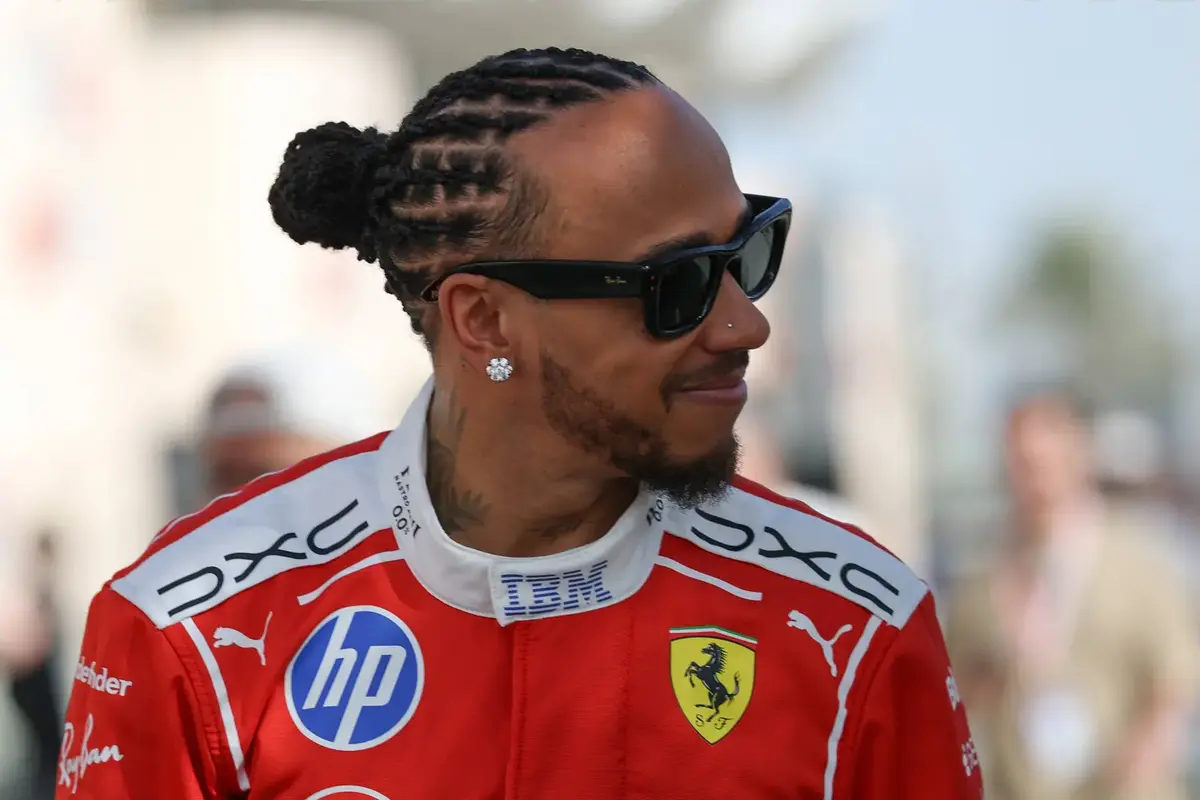
Hamilton elaborates on the gravity of this situation, emphasizing how the necessity to operate in lower gears stems from the inability to recover adequate battery power. “We’re going down into second, or first in some places, just to try and recover that extra bit of power,” he shared with an audience of eager media, including RacingNews365. His words resonate with urgency, especially when he highlights the staggering 600 meters of lifting and coasting required during qualifying laps in circuits like Barcelona. “That’s not what racing is about,” Hamilton exclaims, capturing the disquiet felt by many in the paddock.
As teams scramble to adapt to these new dynamics, Hamilton stresses that energy management will be the defining factor in upcoming races. “Which team is most on top of deployment and all of that, and which driver is on top of that,” he noted, suggesting that the battle for supremacy will be fought in the realms of strategy and energy control.
The implications of these changes are massive, and as Hamilton aptly points out, “everyone is in the same boat.” But with the clock ticking down to the 2026 season, the question looms: will drivers rise to the occasion or will they be left in the dust of this new era of racing? One thing is certain—Formula 1 is about to get a lot more electrifying, but at what cost to the sport’s traditional roots? The racing world watches with bated breath as the future unfolds.