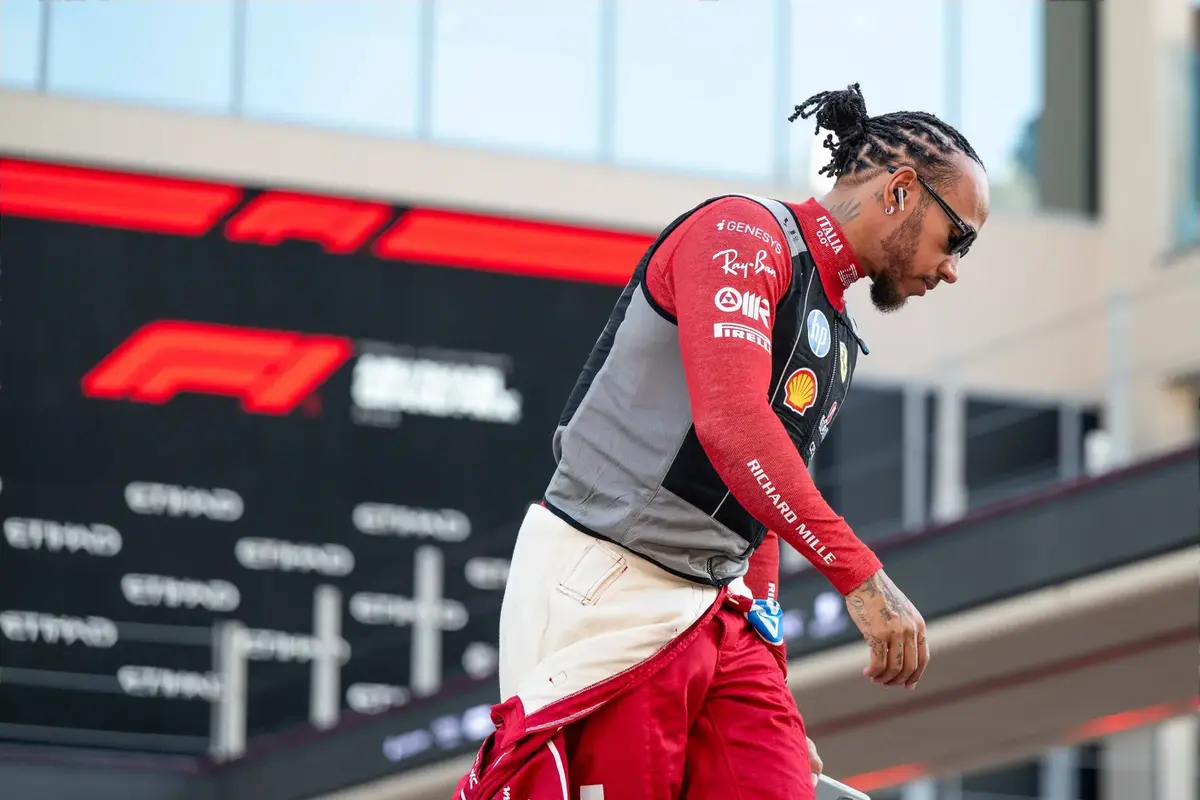
Lewis Hamilton Sounds Alarm Over Isack Hadjar’s Promotion to Red Bull – Is He Ready for the Pressure?
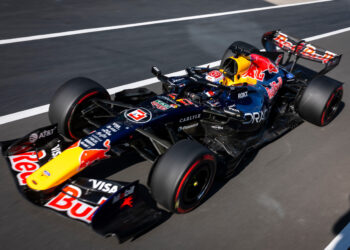
In a shocking turn of events, the racing world is buzzing with news that young talent Isack Hadjar has been officially confirmed as a rookie with Red Bull Racing for the 2026 season. While the announcement has generated excitement among fans and insiders, seven-time world champion Lewis Hamilton has stepped into the spotlight, voicing serious concerns about Hadjar’s promotion. Hamilton’s candid remarks raise an important question: is the young Franco-Algerian driver ready for the intense pressure that comes with racing alongside Max Verstappen?
Hamilton, never one to shy away from the truth, expressed his mixed feelings about Hadjar’s ascendancy in a high-stakes environment that can make or break careers. “I won’t lie, it doesn’t sit easy with me,” he stated, acknowledging Hadjar’s phenomenal performance throughout the year. Yet, he emphasized the stark reality: “He is still very, very young and is still learning about himself and his surroundings.”
What Hamilton is hinting at is the treacherous path that lies ahead for Hadjar. The Red Bull team is known for its relentless demands and cutthroat competition, particularly when paired with a dominant teammate like Verstappen. This isn’t just any promotion; it’s a baptism by fire, one that has left many talented drivers struggling in its wake. The legendary driver pointed out three critical issues that Hadjar must navigate: the intense expectations at Red Bull, the steep learning curve of a top-tier team, and the risk of squandering a promising talent without the right support.
Hamilton’s words serve as a stark warning, underscoring a well-known truth in Formula 1: Red Bull’s cockpit is infamous for its brutal environment. Since 2018, a parade of promising drivers—Pierre Gasly, Alex Albon, Sergio Pérez, Liam Lawson, Yuki Tsunoda—have all found themselves unable to establish a lasting presence in the team. None have managed to shine consistently under the glaring spotlight that accompanies driving for Red Bull.
Hamilton, with the wisdom of experience, advocates for a more cautious approach to Hadjar’s development. He urged Red Bull to provide the necessary structure and support to cultivate the young driver’s potential rather than rush his progression. “This is not just any F1 seat,” he cautioned, emphasizing that the overwhelming pressure, constant comparisons, and sky-high expectations could potentially sabotage Hadjar’s career if not handled correctly.
In a sport often characterized by cutthroat competition and ego clashes, Hamilton’s honest discourse stands out as a beacon of responsibility and concern. He is not criticizing Hadjar; rather, he is issuing a call to action for Red Bull to nurture their investment wisely. Hamilton’s plea for thoughtful guidance signals a deep commitment to the sport and its athletes, reminding everyone that sometimes, the path to greatness requires patience and proper mentorship.
As the racing community watches closely, the question remains: will Red Bull heed Hamilton’s advice and create an environment that fosters Hadjar’s growth, or will the weight of expectations crush another promising talent? The world is waiting—and the pressure is on.