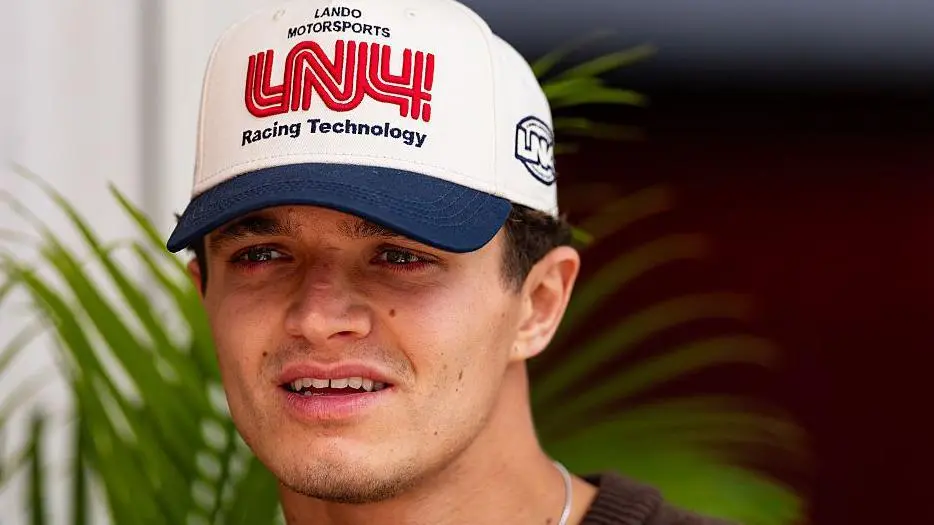
Lando Norris Sounds Alarm on F1’s Daunting Challenge from the Past!
In a shocking revelation, reigning Formula 1 world champion Lando Norris has expressed grave concerns about the impending 2026 regulation changes, uncovering a challenge that hasn’t plagued the sport for nearly four decades. As F1 braces itself for a seismic shift in both power unit technology and aerodynamic design, Norris is ringing the alarm bell on a potentially catastrophic issue reminiscent of the turbocharged chaos of the 1980s!
The upcoming regulations are set to revolutionize the sport with a radical overhaul. The current 1.6-litre V6 turbo hybrids are about to undergo a dramatic transformation, with their dependency on electrical energy skyrocketing. The result? A near-equal split between electric power and traditional internal combustion engine output. This ambitious shift places an unprecedented burden on drivers, compelling them to master the art of battery management like never before. With new energy recovery systems poised to harvest double the energy per lap, the stakes have never been higher!
And that’s not all. In a groundbreaking move, the internal combustion engines will now run exclusively on 100% sustainable fuels, as F1 races towards an ambitious goal of carbon neutrality by 2030. But amidst these progressive changes, Norris has spotlighted a haunting specter: the return of turbo lag!
In an eye-opening interview with BBC Sport, Norris candidly stated, “The biggest challenge is how you can recover the batteries as well as possible, and that’s when it comes down to using the gears, hitting the right revs. Obviously, you’ve got some turbo lag now, which we’ve never really had before.” Turbo lag, the frustrating delay between pressing the accelerator and feeling a surge of power, could re-emerge as a major hurdle, mirroring the turbulent days prior to the 1989 season when turbochargers were abandoned.
As the countdown to 2026 continues, the competitive landscape of F1 remains shrouded in uncertainty. With McLaren having dominated the 2025 season, clinching the constructors’ championship by early October, any shift in the competitive hierarchy could spell disaster for their championship aspirations. Early indicators suggest that Mercedes may be poised to take the lead, especially after a promising pre-season testing session, yet McLaren could still benefit from their partnership with Mercedes power units.
As Norris prepares to defend his championship title, he faces not just his teammate Oscar Piastri but also formidable foes like four-time world champion Max Verstappen. With the new regulations creating an unpredictable battlefield, will Norris rise to the occasion or falter under the weight of history?
Stay tuned as we delve deeper into the implications of these monumental changes and their impact on the future of Formula 1! The stage is set, and the tension is palpable—this could be the most thrilling season yet!