“Drivers in Distress: Lando Norris and Max Verstappen Sound Alarm on Power Unit Control!”
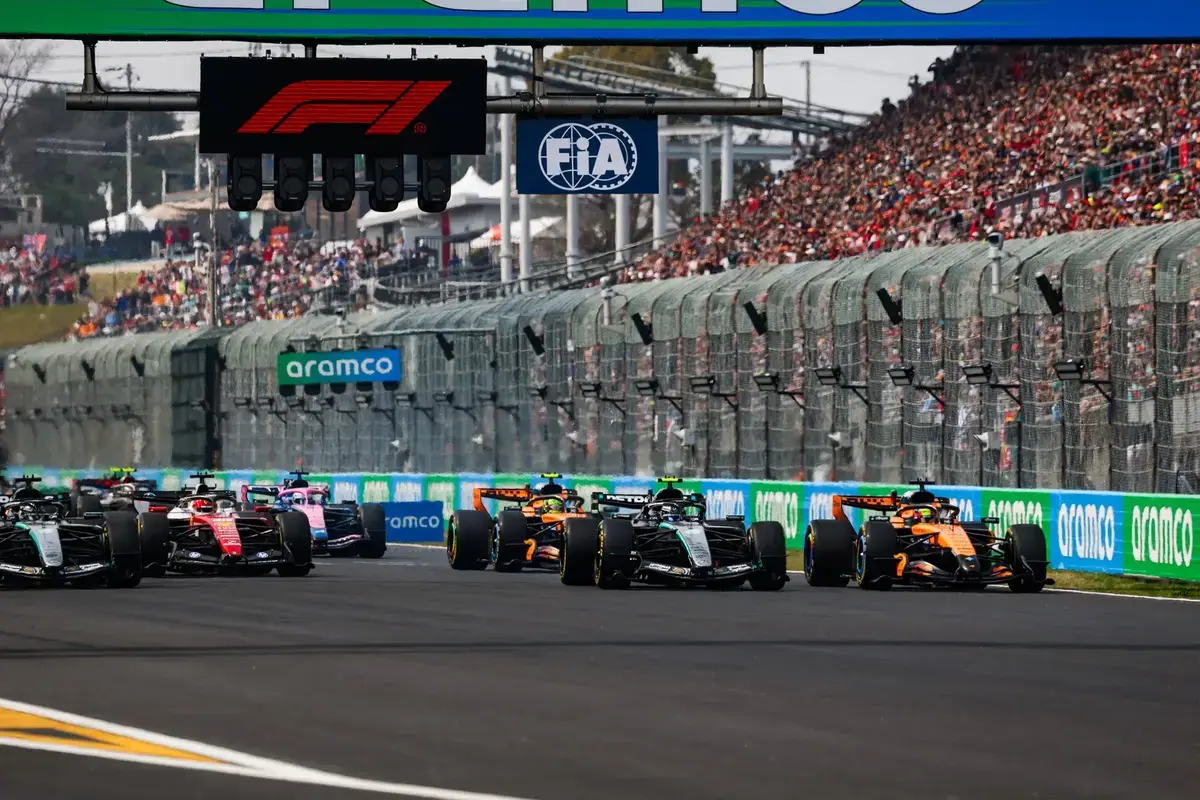
In a thrilling yet frustrating race at Suzuka, the extreme power unit dynamics have left Formula 1 stars Lando Norris and Max Verstappen questioning the integrity of competitive racing. The renowned circuit may have delivered less of a yo-yo effect compared to the season opener in Melbourne, but the dissatisfaction among drivers remains palpable. Norris, who finished fifth, celebrated McLaren's progress alongside teammate Oscar Piastri, yet the overall racing experience was far from fulfilling for the reigning world champion.
In candid remarks, Norris expressed his disappointment, stating, “Honestly, some of the racing, I didn't even want to overtake Lewis. It's just that my battery deploys, I don't want it to deploy, but I can't control it.” This sentiment encapsulates a growing concern among drivers: the feeling of being mere puppets at the mercy of the power unit's unpredictable performance.
When pressed about the implications of a power unit that feels more like a hindrance than a tool, Norris lamented the diminishing value of overtakes. “When you're just at the mercy of whatever the power unit delivers, the driver should be in control of it at least, and we're not.” This critical issue surfaces prominently during moments when drivers engage 'overtake mode', which allows them to close in on competitors but often leaves them vulnerable immediately after.
Norris recounted a tense moment with Lewis Hamilton, stating, “I overtook him in the final chicane, after which I was immediately countered again on the main straight.” The mechanics of the race left him powerless: “There's nothing I can do about it. There's just not enough control for a driver.”
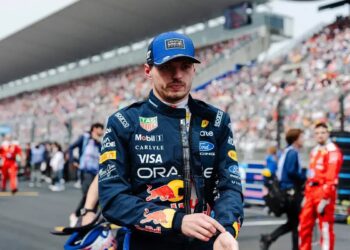
Echoing Norris's frustrations, Verstappen elaborated on the challenges presented by the Suzuka layout. “In general, you just have to be very careful with how you use your battery. It's a bit tricky,” he explained. The long straights and tight corners create a scenario where drivers cannot efficiently recharge their power units, leading to a frustrating cycle of deploying energy only to be left defenseless moments later.
Verstappen’s analysis underscores a critical flaw in the current racing dynamics: “If you deploy in one straight, you have nothing on the other. On some other tracks, you have a chance to recharge between corners, but here you don’t.” This inefficiency severely restricts drivers' abilities to execute overtakes in areas where they would typically excel, further compounding the issues faced during races.
The consensus among these racing titans is clear: the FIA must take action. “Some things can be improved,” Norris asserted. “Yes, the racing can look great on TV, but the racing inside the car is certainly not as authentic as it needs to be.”
With the spotlight on power unit control and race strategy, the calls for change are more urgent than ever. As fans eagerly await the next Grand Prix, one can only hope that the governing body heeds the concerns of these elite athletes, paving the way for a more authentic and exhilarating racing experience. The drivers have spoken, and the question now looms: will the authorities respond?