Lance Stroll Sounds Alarm Over F1’s 2026 Regulations: “It’s a Bit Sad”
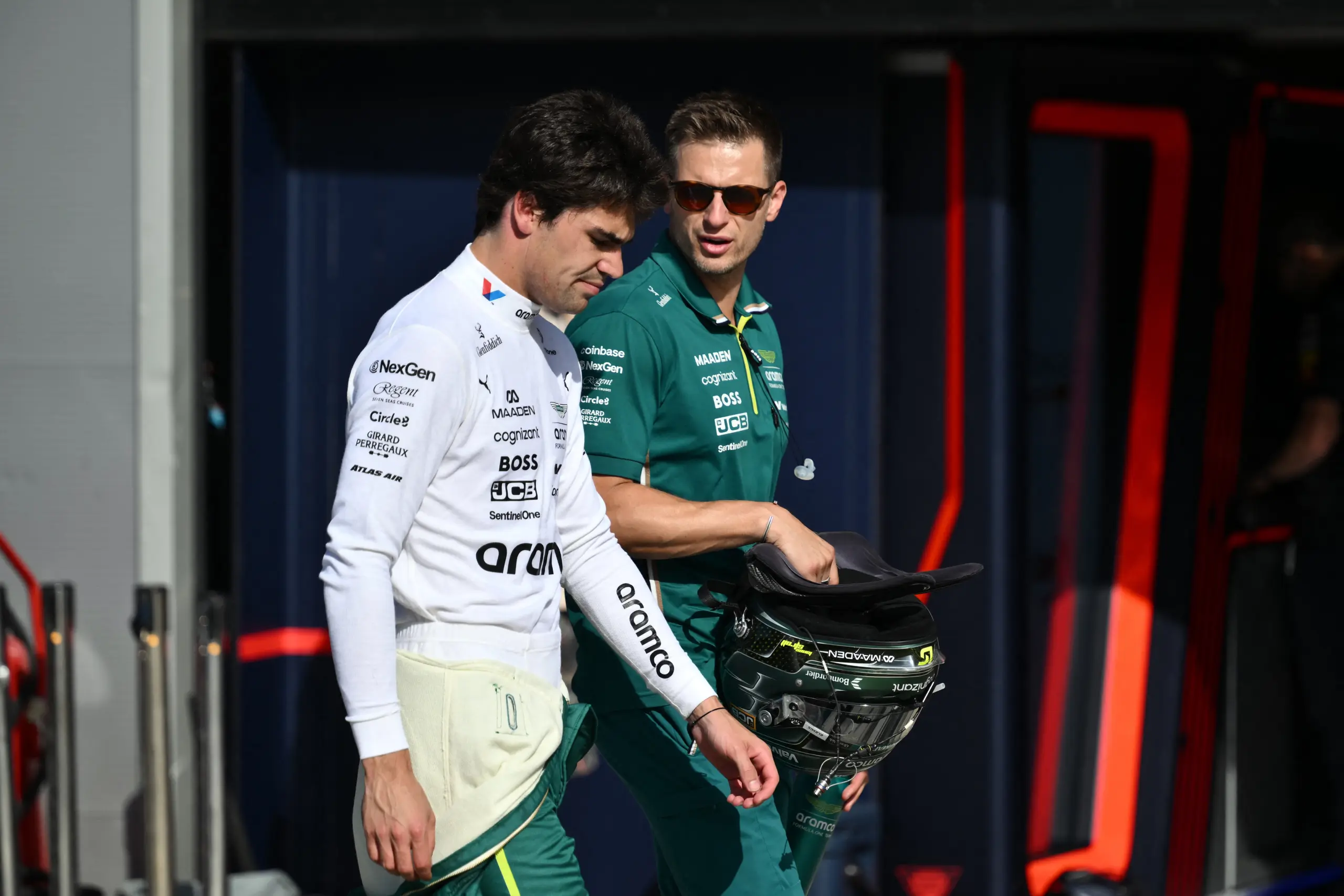
In a startling revelation that is sure to send shockwaves through the Formula 1 community, Aston Martin’s star driver Lance Stroll has voiced his deep concerns over the impending 2026 regulations, labeling the sport’s new direction as “a bit sad.” This bold statement sheds light on the growing discontent among drivers as F1 gears up for a radical overhaul that promises to redefine the racing landscape.
The upcoming season will usher in a seismic shift in F1 with a complete reconfiguration of aerodynamic principles and the introduction of a brand-new power unit. Gone is the controversial MGU-H unit, replaced by an electric output that will now match the combustion engine in a 50/50 split. While these changes are intended to enhance sustainability and performance, they have sparked fears that the thrill of racing could be diminished.
Stroll, who is known for his candidness, articulated a unified sentiment among drivers regarding these changes. “I think that just the idea of the regulations, I think everyone agrees on that,” he stated emphatically. His concerns resonate loudly: “It’s a bit sad that we’re going in the direction of 400 km/h down the straight, and half the speed in the corners.” This stark contrast raises vital questions about the essence of competitive racing—are we sacrificing excitement for efficiency?
The Canadian driver emphasized that the thrill of racing lies in high-speed cornering and aggressive maneuvers, rather than the tedious energy management that the new regulations may impose. “Managing energy and battery power is not as exciting as flat-out pushing with lots of downforce,” he lamented. This perspective echoes a growing anxiety among drivers who fear that the soul of racing could be lost in the pursuit of greener technology.
As Aston Martin embarks on the 2026 campaign under a new technical partnership with Honda, the team is poised for transformation. With legendary designer Adrian Newey stepping in as team principal, the stakes are higher than ever. Despite Stroll’s apprehensions, he remains optimistic about the potential performance of the new car. “If we’re sitting here in Melbourne, and we’re super quick, and everyone else is still behind us in the mirrors, it’s going to be a nice car to drive,” he remarked, hinting at a crucial truth in racing: performance is the ultimate balm for any concerns.
As the clock ticks down to the new season, the racing world watches with bated breath. Will the changes usher in a new era of thrilling competition, or will they transform the sport into a shadow of its former self? With drivers like Stroll raising their voices, one thing is clear: the future of F1 is at a crossroads, and the path chosen could alter the very fabric of racing as we know it. The question remains—can F1 find a balance between innovation and the raw excitement that fans crave? Only time will tell.