F1 Shake-Up: Stroll's Bold Predictions and Russell's Controversial Downshifting Debate!
As the engines roar to life for the season opener in Melbourne, the new Formula 1 regulations are igniting fierce debates among drivers, teams, and fans alike. Energy management has taken center stage, with the spotlight on the 350 kW of electrical power from the MGU-K that drivers must now navigate with precision. This shift is leading to some eyebrow-raising tactics behind the wheel, and the paddock is buzzing with reactions.
George Russell, the Mercedes star, has confirmed that the controversial practice of downshifting on straightaways—a tactic previously flagged by Max Verstappen—remains a reality. However, Russell downplays the concern, likening it to the familiar maneuver of downshifting in a road car while tackling an uphill climb. But not everyone is convinced. There’s talk of ‘lift-and-coast’ strategies even creeping into qualifying runs, leaving fans questioning the authenticity of racing in this new era.
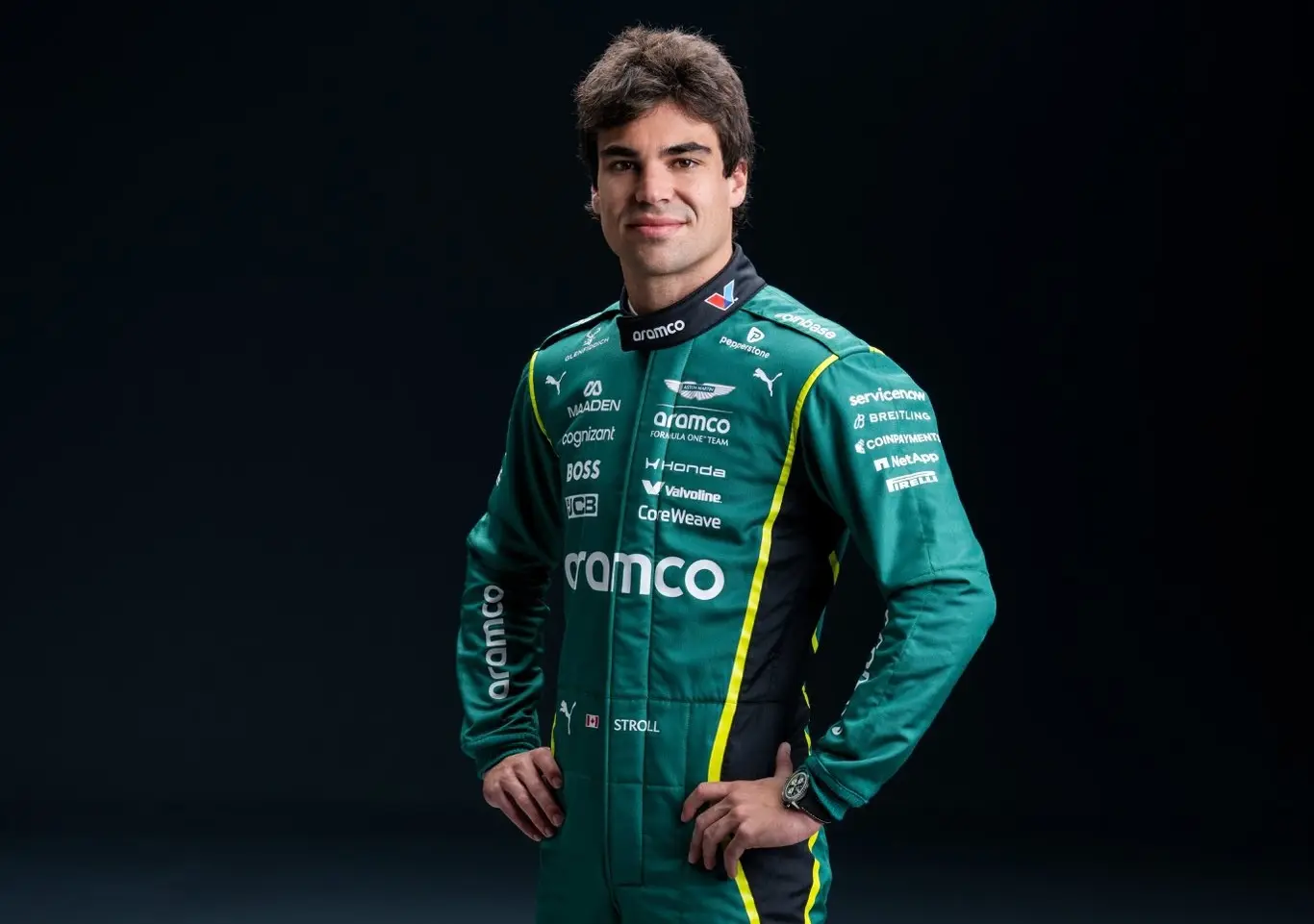
Enter Lance Stroll, the Aston Martin driver who has only managed two installation laps during the Barcelona shakedown. With limited experience under the new rules, Stroll’s comments during the Aston Martin launch in Saudi Arabia were nothing short of sensational. “I’m sure George, when maybe he’s winning the race in Australia by 30 seconds in his Mercedes, isn’t going to mind downshifting on the straights and lifting and coasting too much,” Stroll quipped, hinting at the potential disparities new regulations may create. “Maybe he will change his mind by then,” he added slyly.
When pressed about whether he genuinely anticipates Mercedes to dominate so decisively, Stroll responded, “Normally with new regulations, there’s always a big field spread. I don’t have a crystal ball, but yeah.” It’s clear that the competition is heating up, and Stroll’s remarks underscore the uncertainty that looms over the season.
But Stroll isn’t just a spectator in this drama; he’s openly critical of the direction Formula 1 is heading. “For me, I’ve been saying it for a long time, I think it would be nice to have naturally aspirated engines with synthetic fuels—but I don’t make the rules, I just drive the cars,” he lamented. In his view, the sport has strayed too far into battery power and energy management, diluting the raw excitement of racing. “I would love to be in an era of F1… where it’s always pushing flat out. But, unfortunately, we’re not there today.”
As whispers of downforce concerns circulate, drivers express their initial impressions of the 2026 cars, which reportedly offer significantly less downforce than their predecessors. Lando Norris even remarked that the driving style felt reminiscent of Formula 2—a startling comparison that has sparked concern among teams and fans. Fernando Alonso couldn’t help but smile at Norris’s comments, remarking, “He had a bigger step than us! Let’s say that he lost 100, 120 points of downforce; we lost a lot less.” This statement highlights how the new regulations are affecting teams differently, with some facing a tougher adaptation process than others.
Despite early fears of being reduced to F2 lap times, the Barcelona shakedown revealed a different story. Lewis Hamilton clocked a stunning 1m16.348s, a mere five seconds off last year's pole lap, proving that while the new rules have brought changes, they haven’t completely reshaped the competitive landscape.
Stroll, ever the realist, noted that the previous generation of cars wasn’t exactly a joyride either. “I don’t think the last generation of cars were particularly enjoyable to drive. They were very stiff and heavy.” As the teams prepare to hit the track in Australia, the anticipation is palpable. Will the new regulations breathe life into the sport, or will they stifle the thrill of competition? Time will tell, but one thing is certain: this season is shaping up to be one for the history books!