Title: Formula 1 Faces a Crisis of Authenticity: Montoya Calls Out “Fake Overtakes” and the Deteriorating Spirit of Racing
In a fiery outburst that has sent shockwaves through the motorsport community, former Formula 1 star Juan Pablo Montoya has laid bare the hypocrisy surrounding overtaking in modern racing, declaring that the current state of Formula 1 is a far cry from true motorsport. The Colombian's remarks come amidst ongoing frustrations with the sport's regulations, particularly as the 2026 season looms ever closer.
Montoya didn't hold back, stating bluntly, “If someone enjoys this, then they truly don’t understand what motorsport is. This is not real racing; the regulations are among the worst ever conceived. It has nothing to do with competition.” His comments resonate particularly in light of Max Verstappen’s recent criticisms following the Chinese Grand Prix, where the Dutch driver lambasted the sport's direction and called for immediate reforms.
Just days after what many considered a lackluster showing in Australia, there was talk of an emergency meeting to address the glaring issues plaguing race dynamics. However, following an unexpectedly improved performance in Shanghai, the FIA and FOM opted to postpone any drastic changes until April, leaving the sport in a state of limbo as it grapples with how to restore excitement and authenticity to racing.
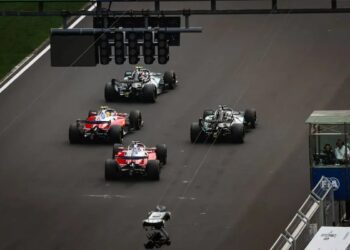
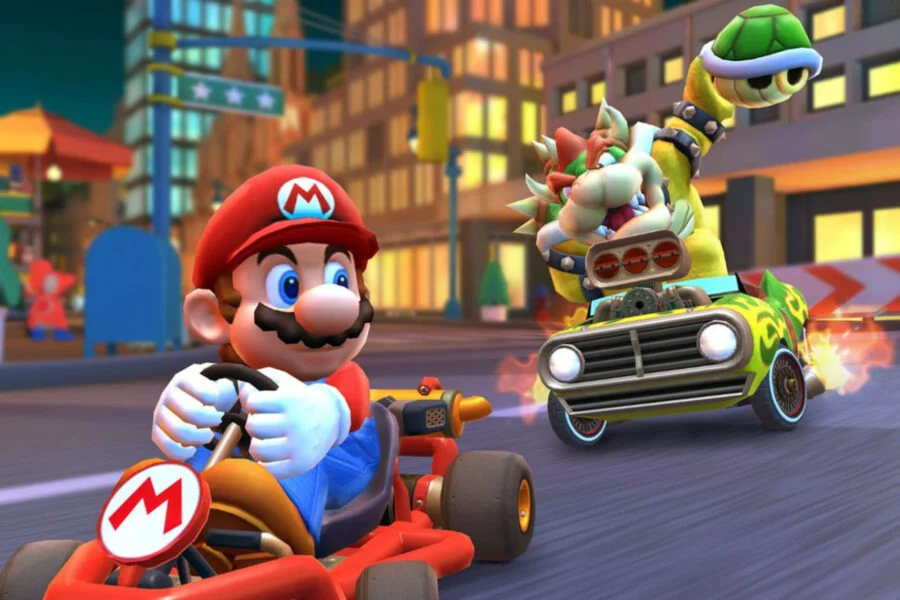
The crux of Montoya's argument revolves around the ongoing debate about overtaking, which he claims has become increasingly artificial. He remarked on the use of the Drag Reduction System (DRS), saying, “Overtakes were fake even with DRS, yet nobody talked about it as if it were a game of Mario Kart. For the last 15 years, pressing a button has allowed drivers to overtake, and today it's no different—drivers press a button to gain extra energy for an attack.”
This new reality raises questions about the skill and artistry involved in overtaking maneuvers. Montoya insists that while the current rules may facilitate some overtakes, the essence of racing still lies in a driver’s ability to strategically prepare for and execute a pass, followed by the crucial task of defending against counterattacks from rivals. “This entire process remains an art form,” he asserted, challenging the sport to better communicate this complexity to fans.
As the Formula 1 circus gears up for its next chapter, the question looms large: will the sport embrace the challenge of reclaiming its authenticity, or will it continue down the path of manufactured excitement? Montoya's passionate plea serves as a wake-up call for stakeholders to reflect on the true spirit of racing and the integrity of competition. The future of Formula 1—and its very soul—hangs in the balance. Will the sport rise to the occasion, or will it succumb to the trappings of artificiality? Only time will tell, but one thing is certain: real fans demand more than just a game; they crave genuine racing.