The Power Play: Should NASCAR Crank Up the Horsepower for Intermediate Tracks?
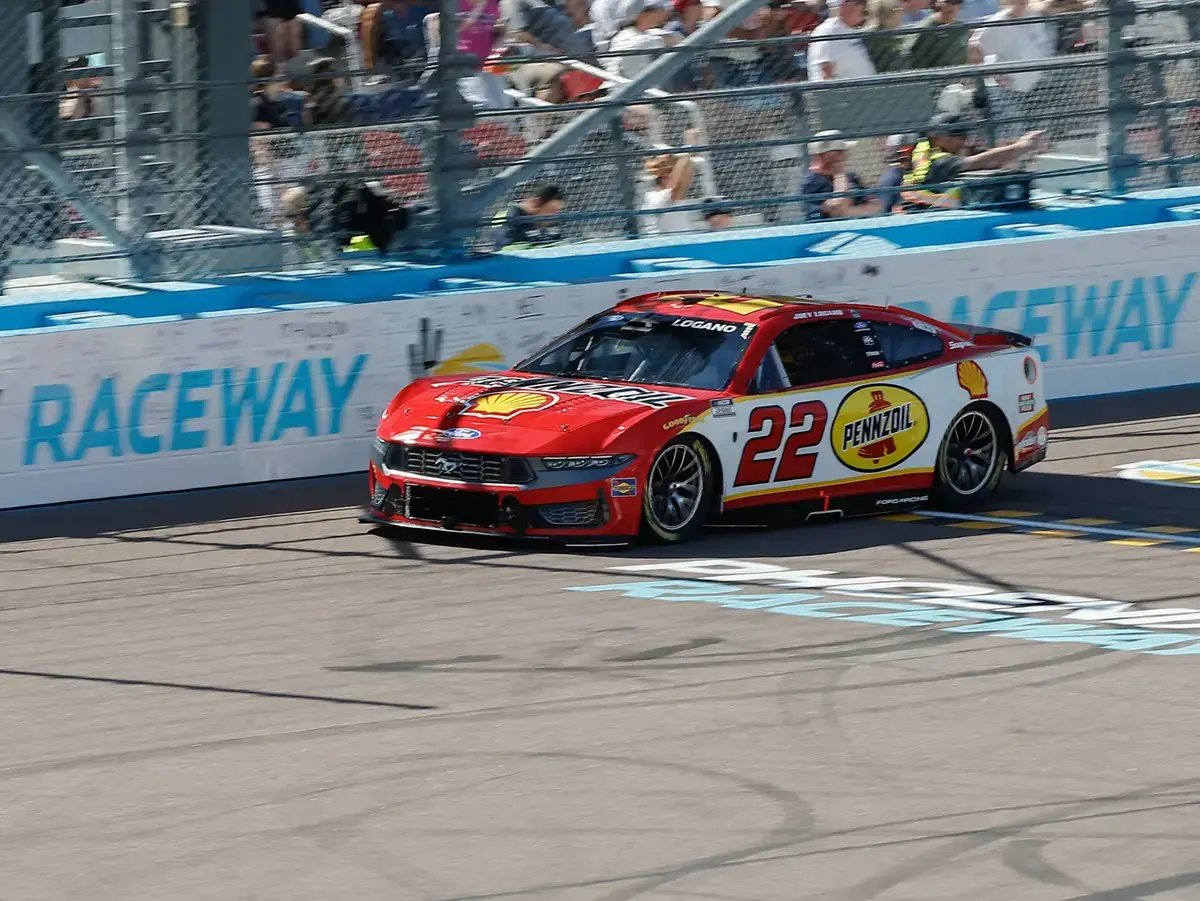
In a world where every fraction of a second counts, the debate over horsepower in NASCAR has reached a boiling point! The contentious topic? The potential introduction of a 750 horsepower tapered spacer for intermediate tracks. When star driver Joey Logano was confronted with the question, his reaction was anything but subtle—his expression suggested he'd just been asked the most ludicrous question imaginable. “Of course I want more power, literally everywhere!” Logano exclaimed, his indignation palpable.
The crux of Logano's argument lies in the concept of “falloff”—the rate at which a car's performance diminishes over a race. “More falloff puts on better racing, right?” he pointed out. The reality of NASCAR today is that nearly all teams operate with similar chassis and parts; therefore, introducing variables is crucial to avoid a parade of cars simply following each other around the track. “We have to be a tenth to two-tenths faster to make passes these days,” he said, emphasizing the need for real competition.
The recent race at Darlington showcased this theory in action. The track's newly adopted higher horsepower and lower downforce configuration resulted in increased lead changes and green flag passes. However, the racing landscape remains contentious as fans debate whether this spread-out field diminishes the excitement of close competition. Logano argues that without added horsepower, the thrill of racing is on the line.
Enter Brad Keselowski, Logano’s former teammate, who presented a counterpoint. “We do have a really good package right now,” he admitted, acknowledging the effectiveness of the current intermediate settings. Still, he highlighted the dilemma: while some tracks could benefit from added horsepower, others might suffer. “It’s really situational to me,” Keselowski concluded, leaving the door open for further discussion.
William Byron, another prominent driver, shared a candid perspective, revealing that an increase in power would likely only serve to widen the gap between teams. “Hendrick Motorsports would welcome it because it would give us more of an advantage over time,” he confessed. However, he warned that such a change might not yield the close racing fans crave. The mantra echoed by fellow driver Chase Briscoe was equally telling: “If you start going faster, it probably makes the field even more spread out.” It’s a stark realization that the elite teams could dominate even further, leaving the rest trailing in their dust.
The industry has faced similar conundrums in the past, notably in 2018 when the introduction of the NA18D rules package—dubbed the 550 package—was met with mixed reactions. While it kept cars closer together on the track, it also generated dirty air that stifled overtaking and minimized driving skill. The current NextGen car attempts to strike a balance, but as Michael McDowell pointed out, it’s a precarious tightrope. “The worst racing for drivers was when we went to the high downforce, low horsepower package,” he stated, juxtaposing it with fans' perceptions of thrilling racing.
McDowell’s perspective was sobering: while drivers might enjoy the thrill of 900 horsepower engines, they risk creating significant separations in the field. “You’ll have blowouts and big gaps between cars,” he said candidly. His concern is that such changes, while potentially exciting, could alienate fans who favor competitive racing.
Christopher Bell chimed in, revealing his enthusiasm about the future of horsepower in NASCAR. “I love where we're headed,” he declared, advocating for more power as a pathway to improved racing. “If we continue to add horsepower, I think we're going to get right to where we need to be,” he passionately stated.
As the NASCAR community grapples with the prospect of a horsepower boost, one thing is abundantly clear: the stakes are high, and the debate is far from settled. Will the quest for power lead to exhilarating races or create a chasm between competitors? Only time will tell, but as the engines rev up, fans and drivers alike are poised for what promises to be a thrilling ride ahead.