Formula 1’s 2026 Revolution: A Race Against Reliability? Jeremy Clarkson Sounds the Alarm!
In a thrilling yet cautionary analysis, Jeremy Clarkson, the celebrity commentator and ardent F1 enthusiast, has raised red flags about the upcoming 2026 season following the inaugural testing sessions in Bahrain. His insights reveal that this year's changes could lead to a catastrophic challenge for teams and drivers alike, with the ominous warning: “Don’t Break Down To Survive.”
As Formula 1 gears up for a monumental transformation, the new regulations promise a fresh era with smaller, lighter cars and engines that unleash a staggering 350 kilowatts of electrical power. However, Clarkson’s observations from Bahrain suggest that the sport may be racing towards a reliability crisis. He argues that the vehicles could face severe power shortages on high-speed tracks like Monza and China, where they may “run out of electrical power” just as they hit the straights, leading to dramatic slowdowns that could spell disaster for trailing competitors.
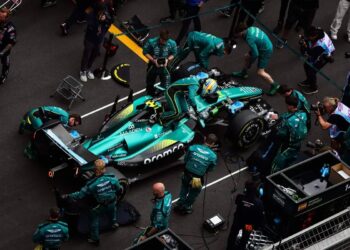
Clarkson also voiced grave concerns about the complexities of race starts under the new regulations. Drivers now face significant challenges as they must rev their engines for a full ten seconds to avoid stalling at the start line, due to the elimination of the MGU-H component which previously mitigated turbo lag. This means that any miscalculation can result in a disastrous start, and as he pointed out, “the disparity in performance is already alarming,” with some teams, like Aston Martin, reportedly clocking in at four seconds slower per lap than their rivals, such as Mercedes.
The stakes have never been higher as the pressure mounts on teams to adapt quickly. Clarkson quipped that the thrilling F1 docuseries “Drive to Survive” might need a new title—“Don’t Break Down To Survive”—to better capture the essence of the challenges ahead. He emphasizes the need for effective energy management, which is set to become a critical factor in performance this season, a sentiment echoed by many drivers who are voicing their discontent over these demanding new requirements.
Bahrain’s testing has unveiled not just power and start issues, but also highlighted the potential for reliability failures amid a slew of untried components. The combination of new technologies and the pressures of competition could lead to a chaotic opening season, with Clarkson asserting that “it’s inevitable there will be failures.” The question that looms large is whether teams can rise to the occasion before the lights go out at the Australian Grand Prix.
However, amidst the chaos, there is a flicker of hope. The world of Formula 1 is known for its rapid technological advancements and innovation. It wasn't long ago that Formula E drivers had to swap cars mid-race due to battery limitations, yet today, they navigate full race distances effortlessly. The message is clear: while the initial hurdles may be daunting, the potential for growth and adaptation remains high.
As fans eagerly anticipate the season opener, the question remains—will Formula 1’s new era be marked by breathtaking innovation or catastrophic failure? One thing is certain: Jeremy Clarkson's predictions have ignited a firestorm of discussion, and all eyes will be glued to the track as teams prepare to battle not only for victory but for survival in this daring new chapter of motorsport history. Buckle up; it's going to be a wild ride!