Honda's Power Unit Crisis: Will Suzuka Witness Another Embarrassment? Remember 2015’s “GP2 Engine”?
As the racing world shifts its gaze toward Suzuka, the stakes couldn’t be higher for Honda. Just a year ago, the team basked in the glory of a stunning victory, showcasing a special livery that etched itself into the annals of motorsport. Fast forward to today, and the atmosphere is thick with tension as whispers of catastrophe loom over the Japanese Grand Prix.
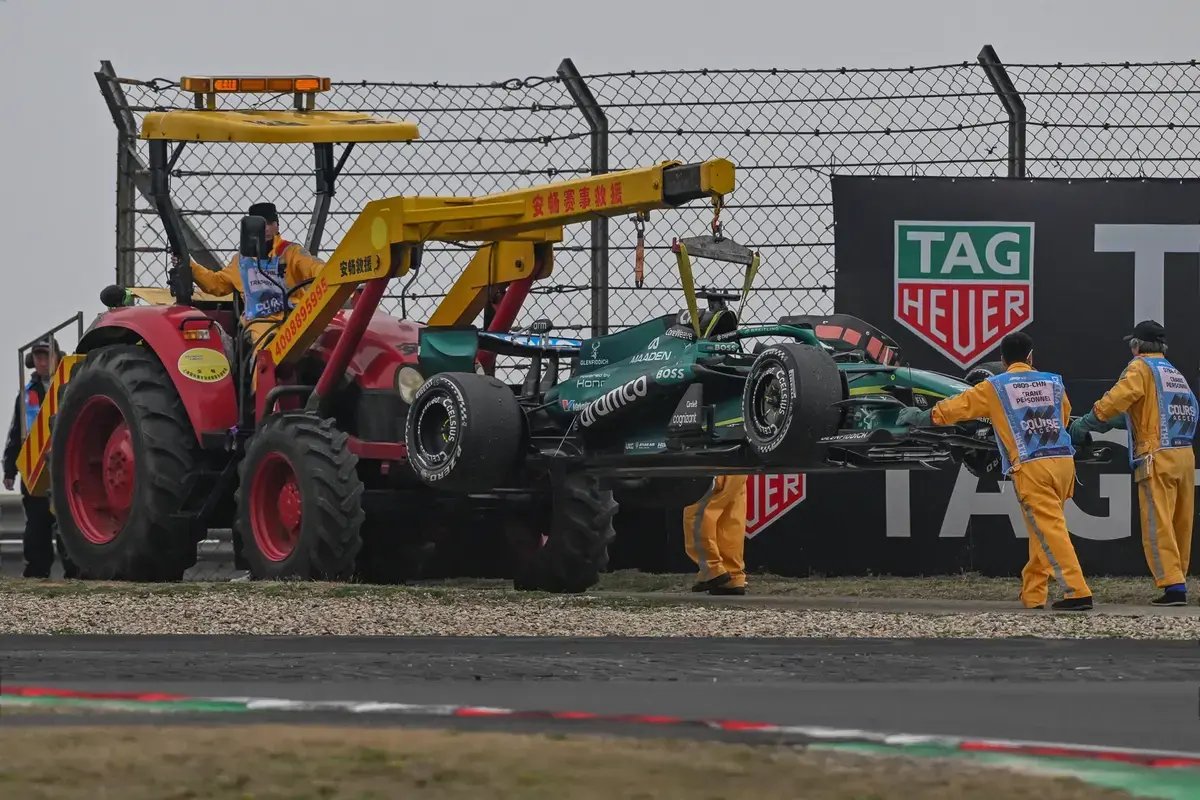
In a shocking turn of events, Honda’s power unit for 2026 has spiraled into a crisis of monumental proportions. The grim reality is that the situation has deteriorated so drastically that even the most cynical insiders couldn’t have foreseen this chaos. Aston Martin, in a surprising move, has reportedly considered skipping the early races of the season to avoid what can only be described as a series of sporting debacles that have left fans and experts alike shaking their heads in disbelief.
The memory of Fernando Alonso’s infamous “GP2 Engine” remark during the 2015 race in Japan still haunts Honda. Back then, the Spanish driver found himself outpaced by Max Verstappen’s Toro Rosso, powered by a Renault engine – a moment that became a symbol of Honda’s struggles. With the upcoming race, the specter of that humiliation hangs heavily in the air as expectations plummet.
Shintaro Orihara, Honda's track operations chief, has stepped into the spotlight to address the mounting concerns ahead of the Suzuka race. In a candid statement, he acknowledged the progress made in battery reliability after recent improvements in vibration reduction. However, he candidly admitted, “We must find further solutions to pinpoint the root cause of the vibrations affecting our drivers.” It’s a sobering admission that the team is still grappling with fundamental issues.
Despite utilizing the two-week interval to refine their reliability, Orihara conceded that performance levels remain disappointingly low. “We are not yet at the level we had hoped to achieve for this weekend,” he stated, highlighting the unforgiving nature of Suzuka’s circuit, which poses significant challenges for energy management.
As the countdown to the race ticks away, the question on everyone’s lips remains: will Honda rise from the ashes of its past failures, or will Suzuka witness yet another dismal chapter in its storied history? The spotlight is on, and the pressure is mounting. Fans and critics alike await the results with bated breath, knowing that a failure to perform could spell disaster for Honda’s reputation and future in Formula 1.