Title: George Russell Defends Controversial 2026 F1 Regulations Amid Driver Backlash
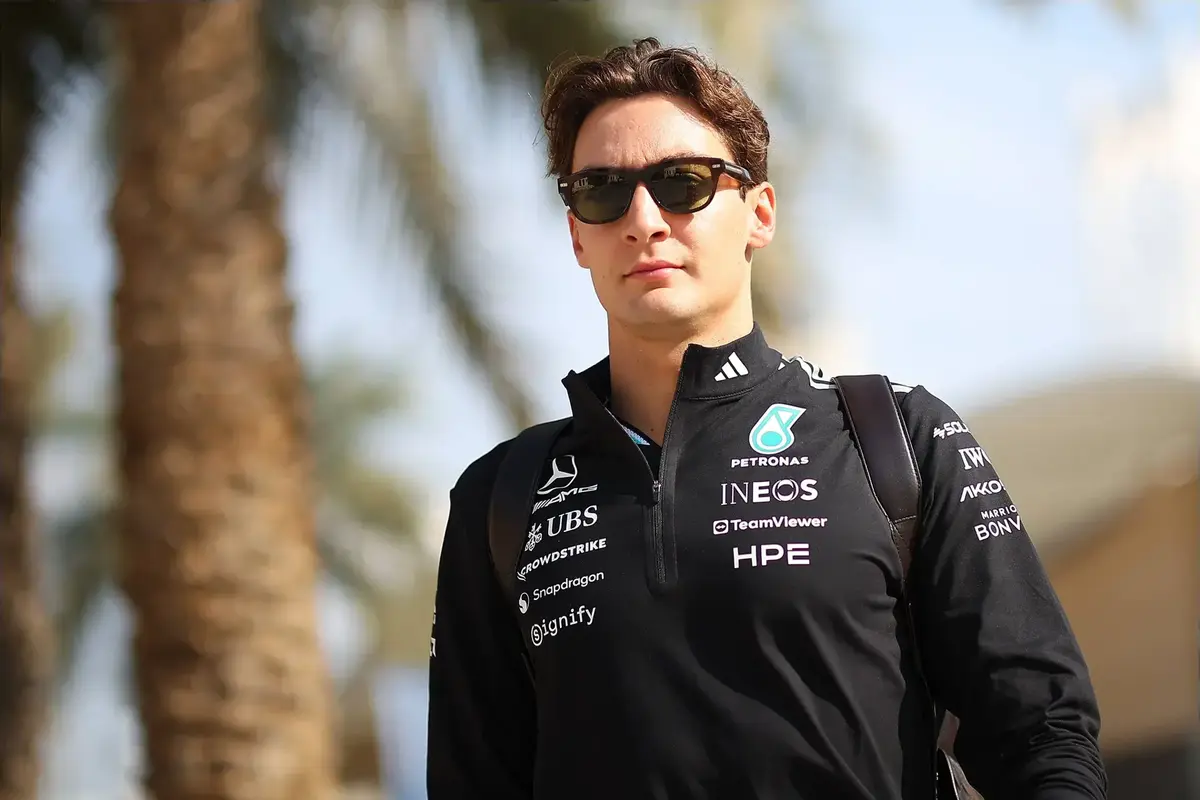
In a world where speed and precision reign supreme, Mercedes Formula 1 sensation George Russell is throwing down the gauntlet, urging drivers to embrace the revolutionary 2026 regulations rather than dismiss them outright. As the engines roared to life during Bahrain's much-anticipated three-day test, F1's new generation of cars took center stage, bringing with them a wave of criticism and skepticism from within the racing community.
The spotlight is on the ambitious hybrid energy rules, which dictate that half of the power generated by these cutting-edge machines comes from an electric motor. Yet, the catch is that drivers must master a delicate balance, as the aggressive energy consumption leads to the need for innovative driving techniques. Fans have watched in astonishment as drivers adapt to new strategies, including lifting and coasting on straightaways and maintaining high revs through low-speed corners—all in a bid to harness energy effectively.
While some drivers, like reigning champion Max Verstappen, have vehemently criticized the new rules as “anti-racing” and likened them to “Formula E on steroids,” Russell remains optimistic. He believes the initial judgment of these cars is premature, emphasizing that the early months of development are crucial for progress. “I do think it's a step forward and I always like to give things a chance,” he stated passionately. “We're just four days into a set of regulations that will dictate the sport for the next three years, and the advancements teams will make in this time will be monumental.”
Russell's enthusiasm is palpable as he describes the cars as being “lighter, smaller and more agile” this season. However, he isn't blind to the challenges posed by the new engine complexities, which he admits may be causing more headaches for engineers than for drivers. “The engines are very complicated,” he said, cautioning against premature conclusions until the sport moves to more demanding circuits like Melbourne and Jeddah.
Yet, Russell acknowledges a significant hurdle: the necessity to operate at lower revs, resulting in driving characteristics that could be likened to a “handbrake” effect in corners. “Here in Bahrain, usually the first corner is a third-gear corner. Now we're having to use first gear to keep the engine revs very high,” he explained. While he recognizes the immense power available when fully engaged, he also recognizes the frustration in adapting to these new driving dynamics.
As Russell's rival, Lando Norris, pointed out, drivers are in a privileged position and should refrain from excessive complaints about their cars. Russell, however, takes a broader perspective, considering the strategic implications behind the 2026 regulations. “When these regulations came into play, there was a huge push on EVs from the EU, and that was a big part for the likes of Audi to come in,” he noted, highlighting the importance of attracting major manufacturers to the sport.
In a sport defined by speed, competition, and spectacle, Russell's perspective is refreshing. He believes that, while it may be impossible to satisfy everyone, Formula 1 is currently thriving. “Nobody can argue that Formula 1 is in an amazing place currently. Of course, we want the best cars, the fastest cars, the best racing. But I don't know how you please everybody,” he stated candidly.
As the debate rages on, one thing is clear: George Russell is ready to lead the charge into this new era of Formula 1, advocating for patience and progress. With the 2026 regulations poised to redefine the landscape of racing, fans and drivers alike are left to ponder the thrilling possibilities that lie ahead.