F1's 2026 Revolution: George Russell Tackles Closing Speed Fears Head-On!
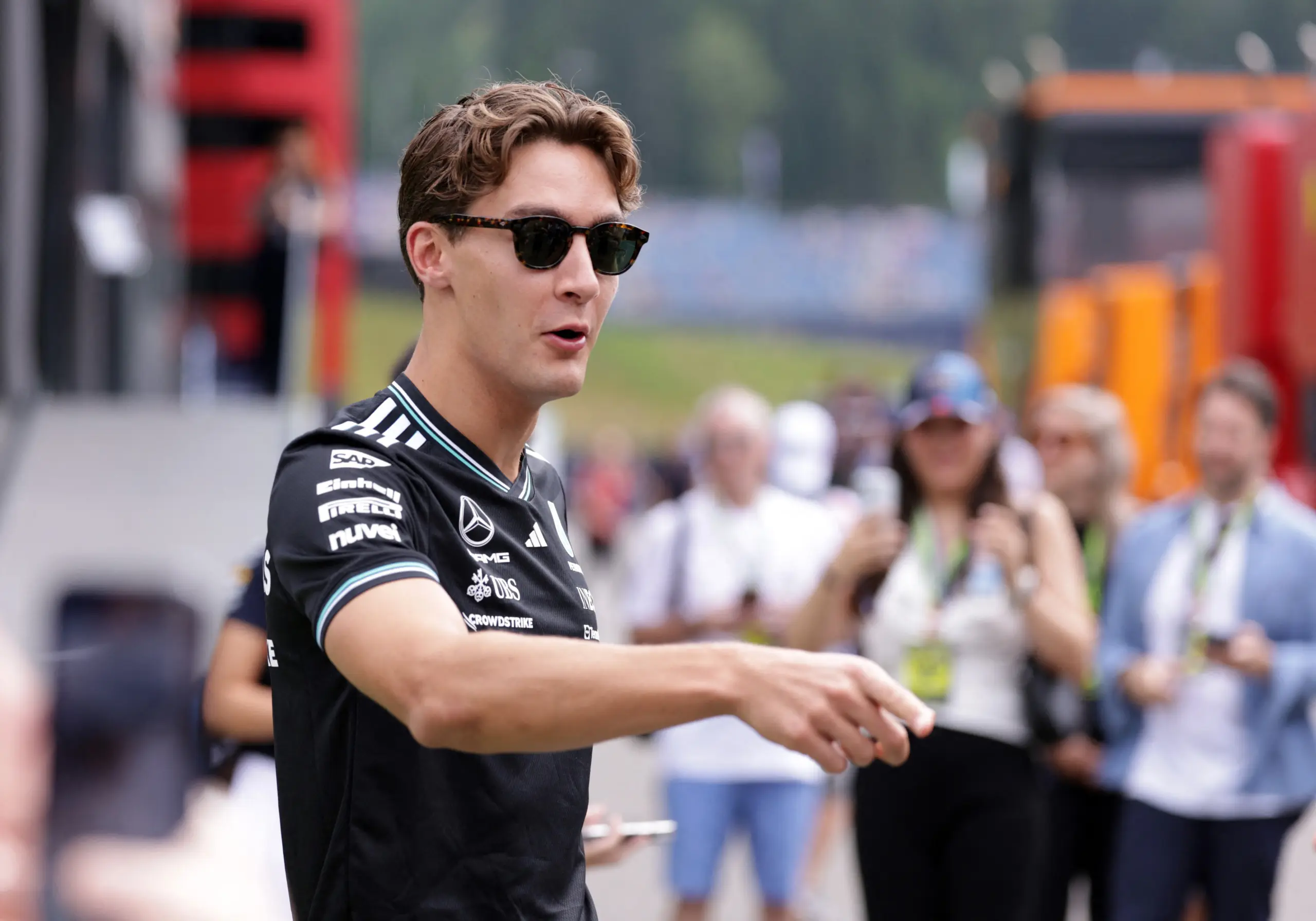
As the world of Formula 1 gears up for a seismic shift in 2026, concerns about the ramifications of dramatically varying closing speeds between cars have taken center stage. But fear not, because George Russell, the promising star of Mercedes, is here to set the record straight!
In a groundbreaking new rules cycle, F1 is embracing a game-changing 50-50 power split between the internal combustion engine (ICE) and advanced battery technology, revving up to a staggering 350 kW of electric power. However, the plot thickens as these innovative machines will revert to ICE power alone once the battery supply runs dry, potentially leading to shocking speed disparities on the track. Imagine a rival barreling down at full race speed only to find themselves blindsided by a slower competitor whose battery has faltered!
Despite this nail-biting scenario, Russell is unwavering in his confidence. He boldly stated, “There are going to be some examples of major closing speeds, but I don't think that will be a problem in dry conditions.” With the season’s most unpredictable weather on the horizon, Russell elaborated that low visibility conditions, synonymous with wet races, wouldn’t pose a substantial threat either. “If you’re driving in the wet,” he explained, “you go around the corner so much slower and the braking distances are longer, you’re harvesting much more and spending much less energy.”
What does this mean for the racers? In wet conditions, drivers will possess ample energy to unleash over the course of a lap, dramatically reducing the risk of those dreaded high-speed collisions. Russell is adamant that the new design will foster a safer environment, asserting, “There should be plenty of energy to spend across the lap, and you shouldn't have these major closing speeds.”
Moreover, Russell has a silver lining for the drivers who thrive on overtaking. He notes that navigating closely behind rival cars has become significantly easier with the new generation of F1 vehicles. “Following definitely seems easier, especially in the high-speed corners,” he remarked, emphasizing the lighter feel of the new cars compared to their predecessors. Gone are the days when drivers felt like they were maneuvering “buses” through corners. With reduced downforce and a more nimble design, these cars promise a thrilling racing experience that feels true to the essence of motorsport.
As we hurtle towards this new era in Formula 1, with Russell’s insights shedding light on potential safety concerns, one thing is clear: the 2026 season is poised to be nothing short of electrifying. Buckle up, motorsport fans! This is just the beginning of a thrilling transformation in the sport we love.