Adrenaline and Danger: The Shocking Crash That Shook F1 at Suzuka
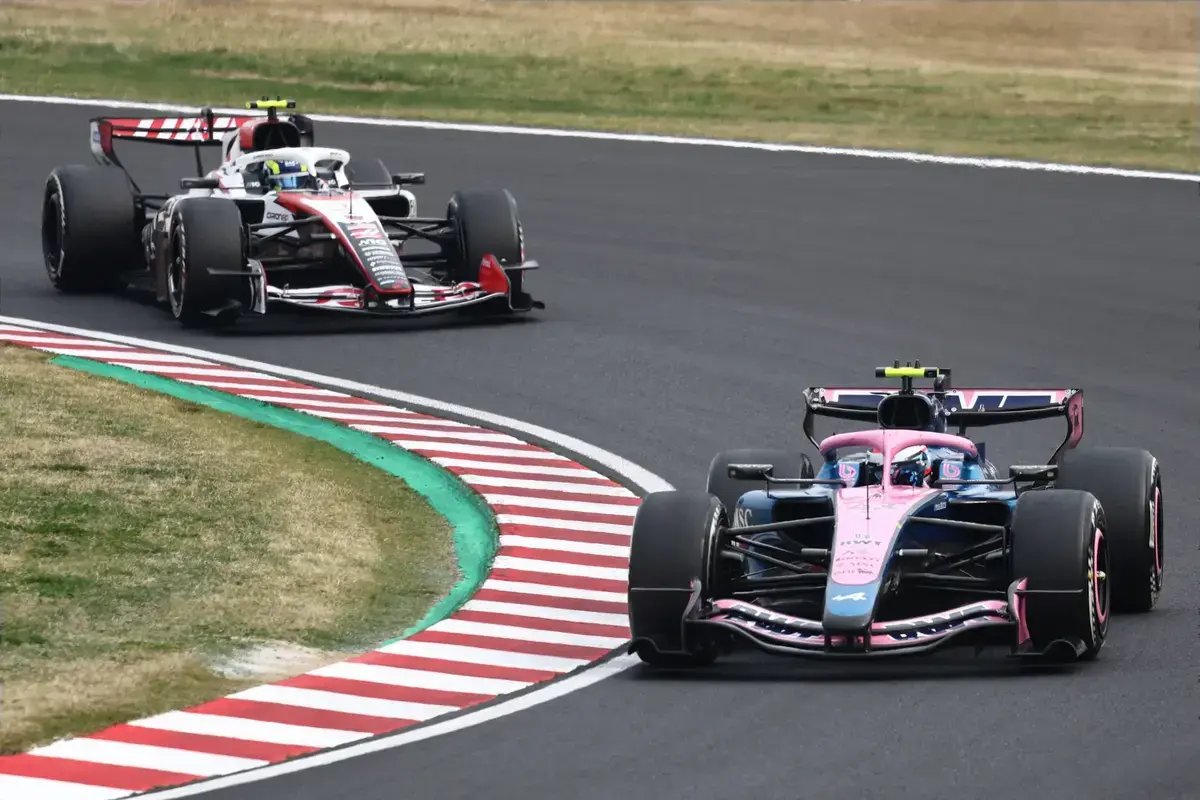
In a jaw-dropping twist of fate during the latest F1 race at Suzuka, Franco Colapinto's Alpine found itself at the center of a harrowing incident that could have ended in catastrophe. The drama unfolded when Oliver Bearman, driving for Haas, lost control at breakneck speed, crashing into the wall after attempting to avoid Colapinto. The result? A staggering 50G impact that left Bearman with a right knee contusion—a miracle considering the potential for far worse injuries.
The atmosphere was charged as Colapinto recounted the moments leading up to the crash. “Once I looked in the mirror, he was spinning in the grass,” he stated, clearly shaken yet composed. The Argentine driver had no indication that Bearman was launching an attack; the kink leading to Spoon is notorious for being a treacherous overtaking zone, making the incident all the more alarming.
Just mere seconds before disaster struck, Bearman was trailing far behind, barely a blip in Colapinto's rearview mirror. The speed differential was shocking—45 km/h separating the two cars—creating an almost impossible scenario for Bearman to safely navigate. “I didn’t see, to be honest, his onboard,” Colapinto explained, highlighting a serious concern about the visibility and awareness of drivers on the track. “Sometimes it’s a bit dangerous. Especially when you don’t get an idea of how much quicker the other car is.”
The implications of this incident reverberate beyond the race itself. With F1's safety protocols having evolved significantly over the years, the shocking crash serves as a stark reminder of the fine line between thrilling entertainment and perilous danger. As the dust settles on this race, it becomes evident that the sport must take immediate action before the next race in Miami, where the walls are significantly closer.
Franco Colapinto's calm demeanor in the aftermath is commendable, but one can't help but wonder what thoughts were racing through his mind as he reviewed the onboard footage of the incident. Did he grapple with the 'what ifs' of the crash? Did he consider the narrow escape from a potentially life-altering scenario?
While three races may not provide ample data to make sweeping changes, Bearman’s crash could very well be the catalyst that the FIA and F1 need to accelerate discussions on safety measures. The upcoming five-week break may seem like a lull in action, but it presents a critical opportunity to address the glaring issues of closing speed differences and qualifying safety.
As fans and authorities alike reflect on the shocking events of Suzuka, the message is clear: the time for complacency is over. With the ever-present danger lurking on the tracks and the stakes higher than ever, the world of Formula 1 must prioritize safety to protect its drivers and ensure that incidents like this become a thing of the past. The clock is ticking—can F1 rise to the occasion before the engines roar again in Miami?