Franco Colapinto's Close Call with Lewis Hamilton: A Shocking Near-Collision in Australia!
In a heart-stopping twist during the second practice session in Australia, Franco Colapinto found himself at the center of a potentially catastrophic incident involving none other than F1 superstar Lewis Hamilton. The stakes were high as the Alpine driver faced scrutiny from race stewards after nearly causing a monumental collision on the track.
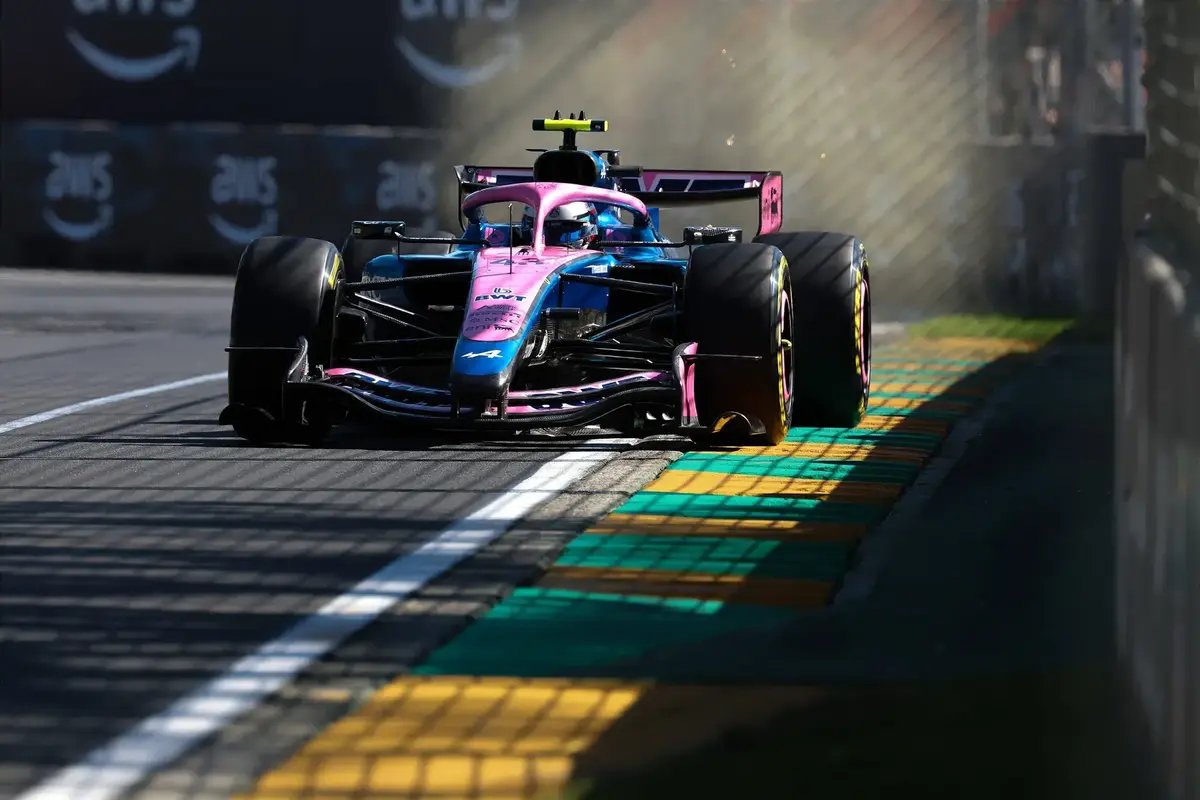
As the session unfolded, Colapinto encountered a severe mechanical issue, suffering from what he described as a ‘false neutral’ just as he approached the final corner. This unexpected problem caused his speed to plummet, leaving him dangerously slow on the racing line. Instead of veering off to the right, Colapinto remained on the racing path, setting the stage for a hair-raising encounter with Hamilton, who was barreling down the track.
The aftermath of this incident saw Colapinto summoned to face the stewards, who had to assess whether his actions constituted a reckless breach of safety. In their ruling, the stewards ultimately decided to take no further action against the young driver, much to the relief of Colapinto and his team.
In their detailed statement, the stewards outlined the sequence of events, revealing how Colapinto was in constant communication with his team as they provided instructions to navigate the serious technical fault. As he rolled slowly along the left side of the main straight, his position was intended to ensure a safe exit point should the car’s problems persist. However, as Colapinto neared the control line, Hamilton appeared on the scene, caught off guard by the slow-moving car directly in his path.
Hamilton, having a clear sight of Colapinto for a considerable distance, was left with no choice but to take evasive action to avoid a disastrous collision. Colapinto later explained that he had been vigilant, keeping a watchful eye on his mirrors to track Hamilton's approach. He adhered to team instructions to stay left, as per the Race Director's guidelines, believing that deviating from the racing line could have escalated the danger.
The stewards concluded that Colapinto's conduct was not erratic, emphasizing that given the circumstances and the mechanical failure, he was not driving “unnecessarily” slowly. Their assessment indicated that he had placed his car in a position to ensure safety, which ultimately led to their decision to clear him of any wrongdoing.
In a world where split-second decisions can lead to disaster, Colapinto’s experience serves as a stark reminder of the razor-thin margins in Formula 1 racing. This incident not only highlights the intense pressure drivers face but also raises critical questions about safety protocols on the track. As fans eagerly await the next round of exhilarating F1 action, the implications of this near-miss will linger in the minds of many, showcasing the unpredictable nature of this high-octane sport.