Franco Colapinto Breaks Silence on 'Terrifying' Crash: “I Didn't Cause It!”
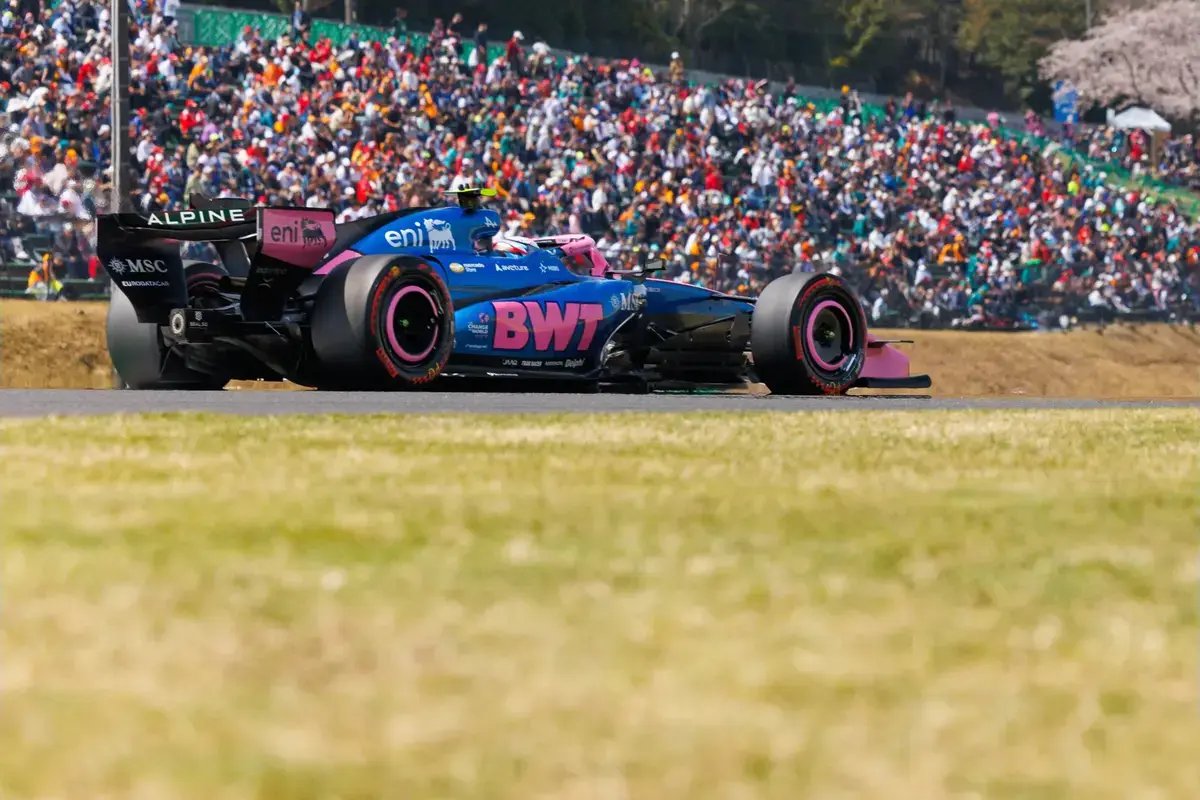
In an explosive revelation following the chaos at the Japanese Grand Prix, Franco Colapinto has stepped forward to vehemently defend himself against accusations of instigating a harrowing crash involving Haas driver Oliver Bearman. The incident, which sent shockwaves through the racing community, unfolded on Lap 21 as Bearman careened into the barriers at the notorious Spoon curve, a moment that could have ended in catastrophe.
The drama intensified when Bearman was forced to swerve left to dodge Colapinto, who was in the midst of harvesting energy from his car's batteries—a stark contrast to Bearman, who was aggressively deploying his energy in a bid to overtake. The alarming closing speed was approximately 45kph (nearly 30mph), a difference that raised critical safety concerns. Fortunately, Bearman emerged with only minor bruises after a thorough X-ray at the medical center, but the incident has ignited a firestorm of criticism directed at the FIA for disregarding escalating driver safety issues.
Post-race, the tension boiled over as Carlos Sainz slammed the FIA for their negligence in addressing the peril posed by such high-speed discrepancies. The governing body has since issued a statement, but the debate rages on.
Colapinto, reflecting on the nerve-wracking events, stated, “It was really strange; the speed difference was so big it was almost like I was on an out-lap, it was really odd.” He elaborated on the incident, noting, “It is a corner that we are doing flat, and he was 50kph quicker than me, so it is very strange.” The young driver was clearly shaken, emphasizing the volatility of racing dynamics when one car is traveling significantly faster than another.
“I think it gets sketchy when the straights are not straight, and it is turning,” Colapinto continued, his voice resonating with the weight of the moment. “As I looked in the mirrors, he was spinning on the grass and even overtook me, so imagine the speed difference. At some point, it becomes really dangerous, and I'm glad he was okay. I saw him walking in the paddock, and he seemed fine.”
Colapinto adamantly defended his actions, asserting, “I never moved or anything like that, so I think the speed difference, the marbles contributed, but the biggest thing is that one car was doing 50kph more, and that is when it becomes dangerous.” He drew parallels to a previous incident in Melbourne, where he had to dodge a slower car, highlighting the perils of racing with such nuanced challenges.
The young talent concluded, “I never used the boost in that straight corner, but I think Ollie was using it because he looked really strong and came like 45kph quicker than on his previous lap, and that is a really big difference.”
As the dust settles, the racing world watches closely. Will the FIA take the necessary steps to enhance driver safety, or will incidents like these continue to threaten the integrity of the sport? One thing is certain: Franco Colapinto's defense has ignited a crucial conversation about speed, safety, and the future of Formula racing.