
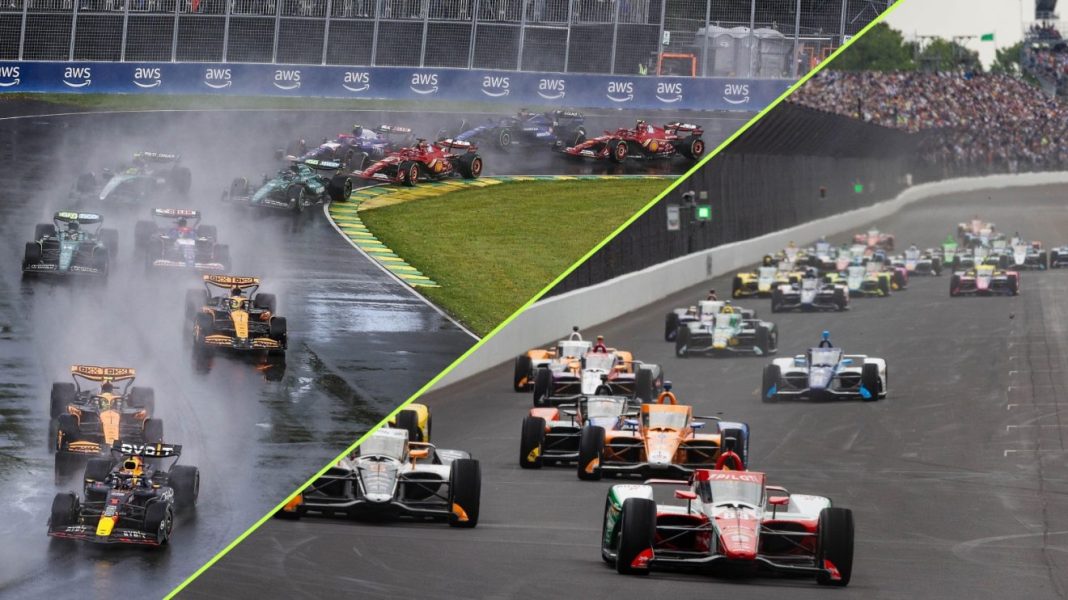

Formula 1 vs IndyCar: The Ultimate Showdown of Speed, Strategy, and Spectacle!
When it comes to motorsport, two titans reign supreme: Formula 1 and IndyCar. At first glance, they may seem like two sides of the same racing coin, but peel back the layers, and you’ll uncover a world of striking contrasts. Buckle up as we take you on an exhilarating ride through the high-speed realms of F1 and IndyCar, revealing the intricacies that set them apart!
Under the Hood: The Cars and Engineering Rivalry
Let’s talk horsepower and engineering brilliance! Formula 1 is not just racing; it’s a relentless quest for innovation. Each team crafts its own car, pushing the limits of technology and design. With the introduction of the 2026 rules, F1 cars have become sleeker, shorter, and lighter, emphasizing advanced aerodynamics and a hybrid power unit that prioritizes electrical performance. This dynamic environment allows for tremendous engineering creativity and fierce competition among manufacturers.
In stark contrast, IndyCar operates under a spec chassis model, with all teams utilizing a Dallara chassis paired with hybrid 2.2-liter twin-turbo V6 engines from Honda or Chevrolet. This standardization may simplify the engineering side, but it leads to nail-biting races where driver skill shines through. As former F1 driver Romain Grosjean explains, “In IndyCar, setup, execution, and driver adaptability carry greater weight because the hardware spread is much smaller.” It’s a different kind of challenge, where the driver’s finesse is put to the test!
Engines Roar: Differentiating Power Units
The engine philosophies in F1 and IndyCar are like night and day. F1’s 2026 power units herald a revolutionary shift towards hybrid technology, with nearly half of the power coming from electric sources. The goal? To attract more manufacturers and push the boundaries of sustainable fuel use. With five power unit suppliers now in the mix, F1 is a battleground of engineering prowess and technological advancement.
IndyCar, meanwhile, keeps it simpler with its robust 2.2-liter twin-turbo V6 engines featuring a 48V hybrid system. This approach maintains the excitement without spiraling into an engineering arms race. While both series are hybrids, F1’s complexity reigns supreme, demanding a high level of software and energy management.
Race Calendars: A Global Circus vs. American Tradition
In the world of motorsport, the race calendar tells a story of identity and ambition. Formula 1 is a globe-trotting spectacle featuring 22 Grand Prix across five continents, from the bustling streets of Singapore to the historic circuits of Europe. It’s a global championship that embodies the spirit of international competition.
On the flip side, IndyCar is firmly rooted in North America, with a focused calendar of 17 races primarily held within the United States. The season kicks off in late February and wraps up by September, offering fans a fast-paced, action-packed summer of racing. While IndyCar has ventured overseas before, its heart beats strongest on familiar American turf.
Track Types: The Thrill of Diversity
When it comes to tracks, F1 and IndyCar couldn’t be more different! Formula 1 races on permanent circuits known for their technical challenges, like Spa-Francorchamps and Monza. In contrast, IndyCar embraces the thrill of oval racing, with iconic events like the Indianapolis 500 at the forefront. Approximately a quarter of the IndyCar calendar is dedicated to oval tracks, where speeds can soar above 230 mph!
F1 may boast faster lap times on road courses due to their superior downforce, but IndyCar offers a unique blend of challenges, demanding versatility across various track types, including both road courses and ovals.
Pit Strategies and Race Tactics: A Game of Wits
Pit strategies in these two series are worlds apart. Formula 1 has banned refueling since 2009, leading to lightning-fast pit stops of around 2.5 seconds that focus primarily on tire changes. IndyCar, however, still permits refueling, resulting in longer pit stops, typically lasting 7-8 seconds, that introduce an additional layer of strategy. The timing of a pit stop can make or break a race, especially during safety car periods.
Overtaking strategies also differ significantly. IndyCar employs a straightforward “push to pass” feature, allowing drivers to temporarily boost power for overtaking maneuvers. Meanwhile, F1 has transitioned to an intricate system of Active Aero and battery management, where every lap’s aerodynamic configuration can shift, making for a complex and thrilling race dynamic.
Who Are the Better Drivers? The Age-Old Debate
As the saying goes, you can’t compare apples and oranges. While Formula 1 is often regarded as the pinnacle of motorsport, attracting the crème de la crème of drivers, IndyCar showcases extraordinary talent in its own right. Champions like Scott Dixon have thrived in IndyCar without ever stepping foot in an F1 car.
Both series require unique skill sets; F1 drivers must adapt to highly technical vehicles while IndyCar drivers must maneuver in close quarters and master diverse track layouts. The debate over which series produces the “better” drivers may never be settled, but one thing is clear: both categories demand exceptional talent and showmanship.
The Final Verdict: F1 vs IndyCar—Which Reigns Supreme?
So, which motorsport behemoth takes the crown? It ultimately boils down to personal preference. If you crave cutting-edge technology, global prestige, and the thrill of watching the fastest racing machines on the planet, Formula 1 is your ticket to the high-octane show. On the other hand, if you’re drawn to close racing, varied track types, and the excitement of oval events, IndyCar delivers a unique and compelling experience.
These two racing giants are not rivals; they are distinct entities that embody different philosophies of speed and competition. Whether you stand with F1 or cheer for IndyCar, one thing is certain: motorsport continues to thrill fans worldwide, one race at a time!