F1 in Turmoil: New Regulations Spark Controversy and Safety Concerns!
The world of Formula 1 is in a state of upheaval as the 2026 regulations, aimed at revolutionizing the sport, have ignited fierce debates among fans and drivers alike. With the radical shift to a balance of power between combustion engines and electric components, the essence of racing is transforming dramatically. What was once a pure test of driving skill has morphed into a complex game of energy management, leaving many to question whether the spirit of competition is being sacrificed on the altar of technology.
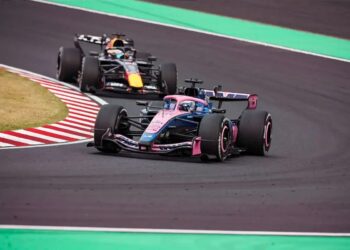
This past race day brought a chilling reminder of the stakes involved, as rookie driver Ollie Bearman faced a harrowing crash at the Japanese Grand Prix. Traveling at a staggering 300 km/h, Bearman lost control approaching the notorious Spoon curve, slamming into the barriers with a bone-rattling impact of 50G. Miraculously, he emerged with only a knee injury, but the incident has raised alarm bells, spotlighting the grave dangers posed by the new racing dynamics.
The crux of the issue lies in the so-called “overtaking mode,” a new system that replaces the traditional Drag Reduction System (DRS) and grants drivers a burst of energy to either attack or defend positions on the track. However, this newfound reliance on battery management has introduced unpredictable speed differentials between cars. If a driver exhausts their battery, they can face drastic drops in speed, resulting in sudden and dangerous disparities as cars approach one another on straightaways.
Critics are vocally decrying this shift as a betrayal of the sport's core values. Online forums and social media platforms are ablaze with assertions that races have devolved into a “battery management simulator,” where strategic energy use trumps raw driving talent. Fans are lamenting that overtakes appear increasingly artificial, dictated by electronic systems rather than the bravery and skill of drivers navigating the curves.
Yet, not everyone is on the bandwagon of discontent. Some within the community argue that these new regulations have brought about tighter grids and thrilling finishes, as teams grapple with unlocking the full potential of these innovative power units. They contend that the unpredictability adds a layer of excitement to the races.
The incident involving Bearman has escalated tensions, leading to fierce criticism aimed at the FIA and Formula 1. Star driver Carlos Sainz didn't hold back, publicly condemning the governing bodies for ignoring repeated warnings from drivers about the risks associated with these significant speed discrepancies. “They’ve turned a blind eye because they want exciting races,” he charged, calling for urgent reassessment of the rules.
In light of the uproar and the undeniable safety risks highlighted by Bearman’s crash, the FIA has announced a series of crucial meetings set for April. Team principals, manufacturers, and drivers will gather to dissect the energy management regulations and potentially recalibrate the systems before the Miami Grand Prix. Their goal? To strike a precarious balance between delivering heart-pounding excitement and upholding the true identity of Formula 1 racing.
As the drama unfolds, one thing is clear: the heart of Formula 1 is at a crossroads, and the decisions made in the coming weeks could redefine the sport for generations to come. Will the FIA take the necessary steps to safeguard the drivers and restore the integrity of racing? Or will the push for entertainment continue to overshadow the fundamental principles of speed, skill, and safety? The world will be watching closely.