Ford’s Shock Shift: A Bold New Era for Red Bull F1 Power Units!
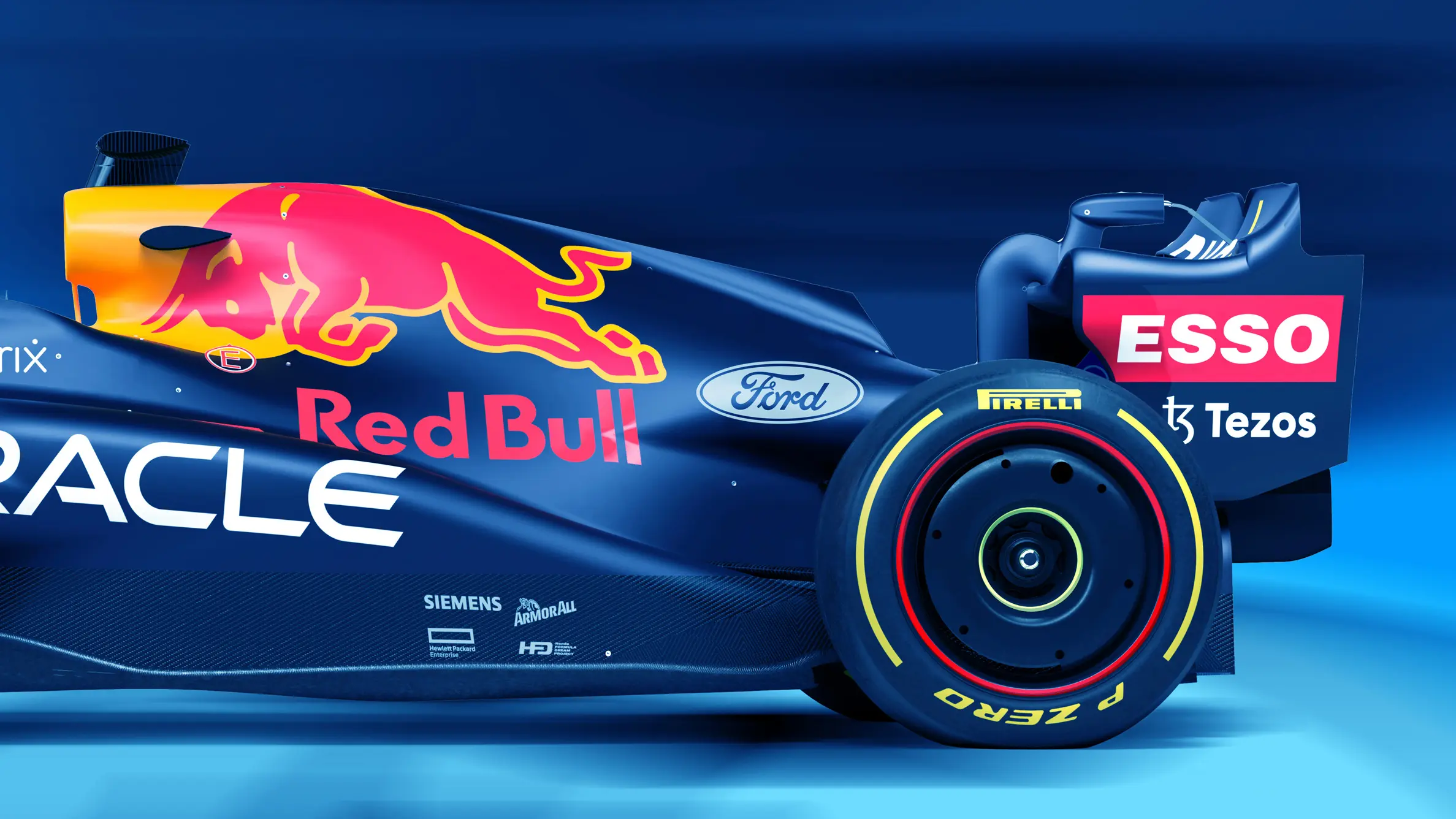
In a stunning revelation that has sent shockwaves through the motorsport world, Mark Rushbrook, Ford Motorsport’s global director, has unveiled a significant pivot in the car manufacturer’s strategy concerning the powerhouse behind Red Bull Racing’s Formula 1 team. As we gear up for the 2026 season, Red Bull Powertrains is set to redefine the landscape by producing its own power units, a move that spells the end of a remarkable collaboration with Honda, which has spanned from 2018 to 2025. This seismic shift was first hinted at in 2021, but the full implications are now becoming clear.
This transition marks a new chapter for Red Bull, which is also under the fresh leadership of Laurent Mekies, the newly appointed team principal who has taken the reins from the seasoned Christian Horner, a stalwart of the team since 2005. With this leadership shake-up and a strategy overhaul, Red Bull is clearly positioning itself for a future brimming with potential.
Rushbrook has shed light on Ford’s evolving role in the construction of Red Bull’s power unit for the upcoming season, revealing that the American automotive giant is taking on more responsibilities than initially anticipated. “Our original focus was on the electrification components: the battery cell, motor, inverter, software, and calibration board,” Rushbrook divulged. “That was our primary focus, and we have accomplished that. However, we didn’t foresee the growing importance of the combustion engine in this partnership.”
The dynamic landscape of Ford’s road car strategy is driving this shift. With plans to maintain a diverse lineup that includes Internal Combustion Engines (ICE), full hybrids, and fully electric vehicles, Ford recognized the critical need to be involved in the combustion engine development. As the collaboration progressed, the synergy between the technical teams unveiled new opportunities for Ford to lend its expertise. “As our teams collaborated on the electric components, we noticed the advancements in the combustion engine and realized there was a chance to contribute,” Rushbrook explained.
In fact, parts for the combustion engine are now being manufactured daily in Dearborn, Michigan, and shipped out to Red Bull, underscoring Ford’s commitment to this ambitious project. “It wasn’t a matter of deficiencies; it was about collaboration,” Rushbrook added. “When you have bright minds working together, questions arise about what Ford would do in specific scenarios, and we were able to step in and assist.”
But what does this all mean for the future of Formula 1? The new regulations dictate that F1 engines will retain their 1.6-liter V6 turbo hybrid configuration, but with a dramatic overhaul: the output from the internal combustion engine has been reduced while electrical power has been tripled, creating a balanced 50-50 split between the two power sources. The revamped Energy Recovery System (ERS) can now recharge the battery with double the energy per lap, marking the end of the MGU-H era.
This monumental shift is not only a technical evolution; it is also a step toward sustainability. As F1 races toward its ambitious goal of net-zero carbon emissions by 2030, these new regulations are designed to incorporate advanced sustainable fuels derived from carbon capture, municipal waste, and non-food biomass. These fuels have already been trialed in the F2 and F3 series, paving the way for a greener future in motorsports.
As major manufacturers like Ford, Audi, and the forthcoming Cadillac outfit—set to enter the fray in 2028—are drawn into the fold, the stakes have never been higher. The motorsport arena is on the brink of a revolutionary transformation, and the spotlight is firmly on Red Bull and Ford as they embark on this exhilarating journey together. Buckle up, because the race for supremacy is just getting started!