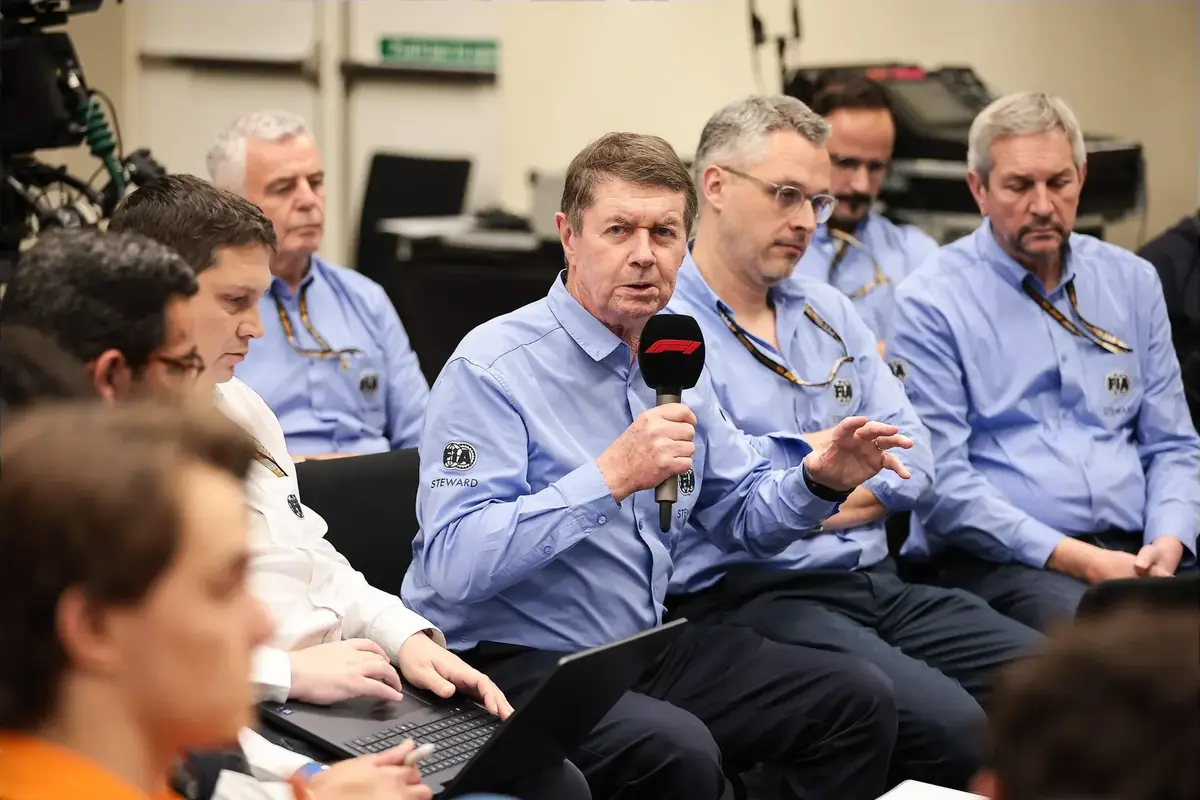
FIA Makes Bold Move: F1 Stewards Granted Power to Reassess Penalties!
In a groundbreaking shift that has sent shockwaves through the motorsport world, the FIA has officially amended the 2026 International Sporting Code, empowering Formula 1 stewards to revisit and potentially alter their own rulings. This pivotal change comes amid growing concerns over the consistency and application of penalties in the high-octane realm of F1 racing.
For years, the integrity of governance within Formula 1 has been under scrutiny, with numerous complaints highlighting discrepancies in stewards’ decisions. In response to these criticisms, the FIA has taken decisive action, signaling a new era of accountability in the sport. The amendment allows stewards to independently “re-examine” their choices, a move that could reshape the landscape of competitive racing.
Previously, only teams could request a “right of review” under Article 14 of the International Sporting Code—a privilege that often left them at the mercy of the stewards’ original verdicts. This rule was famously invoked by Williams Racing after the Dutch Grand Prix, when Carlos Sainz received a controversial 10-second penalty that also resulted in points on his superlicense. Thanks to a review triggered by new evidence—namely, onboard footage from Liam Lawson that the stewards hadn’t seen at the time—Sainz’s penalty points were ultimately rescinded.
With the introduction of Article 14.1.2, the power has now shifted significantly. From 2026 onwards, stewards can act on their own initiative if they uncover “a significant and relevant new element” that was unavailable when the original decision was made. This unprecedented authority may not only enhance the fairness of penalties but also encourage a culture of introspection and improvement among officials.
However, it’s worth noting that the modern era of Formula 1 has seen 14 instances where the right of review was activated, with only four successful outcomes, including the recent Sainz case. This indicates that while the potential for change exists, the road to consistent justice in F1 remains fraught with challenges.
As the 2026 season approaches, all eyes will be on the stewards as they navigate this enhanced role. Will they rise to the occasion and foster a fairer competitive environment, or will this newfound power lead to further controversy? One thing is certain: the motorsport world is watching closely, and the stakes have never been higher.
Stay tuned as we continue to unravel the implications of this monumental rule change that could redefine the future of Formula 1 racing!