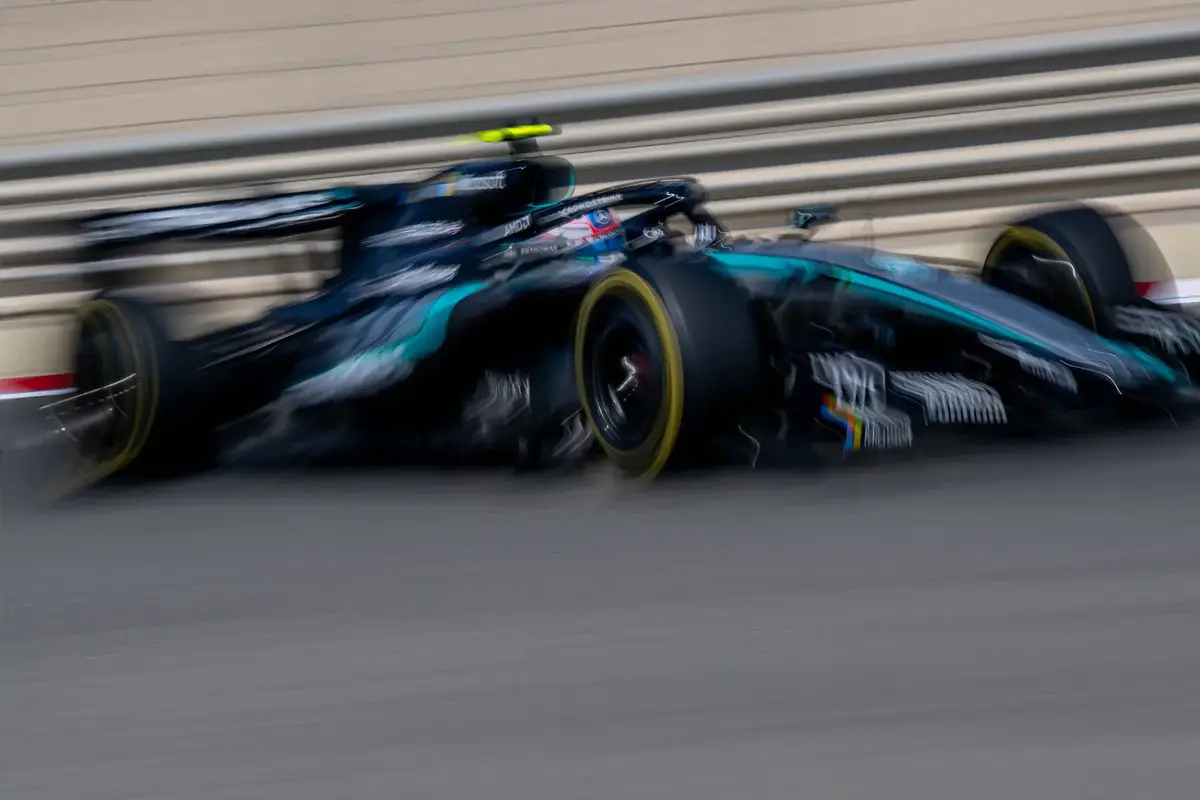
Formula 1's Compression Ratio Controversy: A Decade-Long Battle Reignited!
In a shocking turn of events that has sent shockwaves through the world of Formula 1, the FIA is set to slam the door shut on a controversial engine loophole that has been the subject of heated debates for years. The ramifications of this decision could spell disaster for Mercedes, a titan of the racing arena, whose dominance might be under threat like never before!
Effective from June 2026, the FIA’s new regulations will see the power unit temperature measured not only at ambient levels but also at a scorching 130 degrees Celsius. The rule specifies: “From 1 June 2026 to 31 December 2026: when the Engine is at ambient temperature, as well as when the Engine is at 130 °C. Any component, assembly, mechanism, or integrated arrangement of components that is designed or functions to in ratio in operating conditions beyond 16.0 is prohibited.” This monumental shift is set to shake the very foundations of F1 engineering!
Months of speculation culminated in this bombshell announcement, with the Bahrain paddock buzzing with whispers of impending doom for the Silver Arrows. Mercedes, who once basked in the glory of having what some described as a “golden ticket” to high performance — potentially unlocking an additional 100 horsepower — now finds itself gasping for air, metaphorically tossed into a turbulent chocolate river by its rivals, who are clamoring for a fair playing field.
As tension escalates, the question lingers: What does this mean for Mercedes? The stakes are unfathomably high. Not only does the team have to comply with these new regulations, but it also needs to ensure that its engine customers, including reigning champions McLaren, are equally equipped to handle the changes. The complexity of F1 power units rivals that of a spaceship, and the task of conforming to new specs is no walk in the park.
Toto Wolff, the mastermind behind Mercedes, has insisted that the compression ratio issue is overblown, claiming that his competitors have gotten “a bit carried away.” However, his tone shifted dramatically during the Bahrain tests, moving from apprehension about potential changes to a more conciliatory stance, stating that Mercedes would adapt to any alterations in the regulations.
Yet, one crucial detail remains shrouded in mystery: the extent of the modifications required for Mercedes to comply. Will it be a minor tweak, or will it necessitate a complete overhaul? Only time will reveal the truth, and the implications could be catastrophic for all Mercedes-powered teams.
As the F1 battlefield has shown time and time again, the sport is rife with political maneuvering and backdoor deals. Alpine F1 Managing Director Steve Neilsen raised alarms during the Bahrain tests about the potential ramifications of this rule change, warning that it could open Pandora's box for future regulations. He likened the situation to a rival snatching victory from the jaws of defeat, calling for caution as teams jockey for position both on and off the track.
The history of F1 is littered with instances of rule changes that have reshaped the competitive landscape, often driven by the relentless pursuit of advantage. The latest engine compression ratio controversy is no exception, as rivals unite in their quest to level the playing field against a Mercedes that has long basked in the glory of its engineering prowess.
As we approach the June deadline, the pressure mounts. Will Mercedes rise to the occasion, or will it find itself drowning in a metaphorical chocolate river, outmaneuvered by its cutthroat competitors? The countdown has begun, and the motorsport world is on the edge of its seat, ready for the next thrilling chapter in this decades-long saga. Buckle up, because the race is far from over!