Revving Up for 2026: Formula 1’s Game-Changing Terminology and Car Innovations Unveiled!
As the clock ticks down to the highly anticipated 2026 season, excitement is reaching a fever pitch! Formula 1 and the FIA have pulled back the curtain on a transformative era that promises to redefine the racing landscape. Buckle up, because the next generation of F1 cars is here, and they come packed with cutting-edge technology and a brand-new vocabulary that fans need to know!
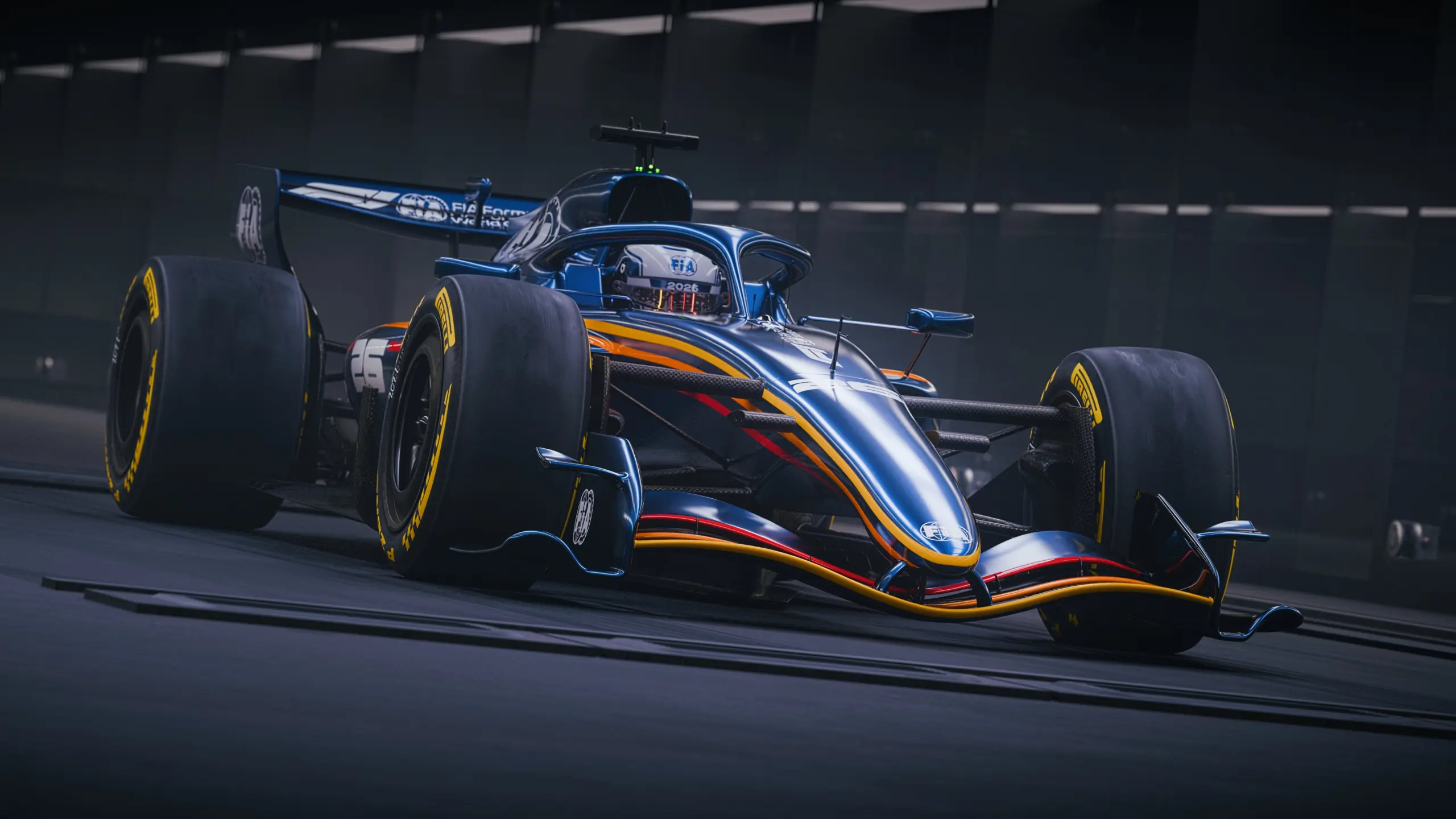
In just over a month, the first test of 2026 will kick off in Barcelona, albeit behind closed doors. But that hasn’t stopped the FIA from releasing groundbreaking renders showcasing the sleek designs and revolutionary features of the upcoming cars. Picture this: active aerodynamics, a 200mm shorter wheelbase, and a 100mm narrower chassis. What’s more? The minimum weight is being slashed to 770kg! However, many within the paddock are raising eyebrows at this target, questioning the feasibility for teams in this inaugural year of a dramatic overhaul.
The FIA’s latest visual representations also highlight crucial updates to the sidepods and the innovative in-wash boards, all designed with a singular goal in mind: reducing dirty air in the wake of the new regulations. Expect a staggering 40% decrease in overall drag, while downforce will take a hit, dropping by 15% to 30% compared to the previous generation. And let’s not forget the new Pirelli branding adorning the 2026 tyres, which, despite initial talks of moving to 16 inches, will remain at a robust 18 inches but slightly narrower to shave off excess weight.
But the excitement doesn’t stop there! As Nikolas Tombazis revealed during a media roundtable in Abu Dhabi, the FIA has completely revamped its terminology for this new era. Gone are the days of confusing jargon — X-mode and Z-mode for active aerodynamics are out, replaced with simplified terms that every fan can grasp. The Manual Override Mode, once a mouthful, has been neatly condensed to “Overtake.” This innovative feature will allow drivers to engage additional electric power to aid overtaking, a game-changer since DRS is set to be retired with the advent of active aerodynamics.
In terms of electric power management, two exhilarating new terms have emerged: Boost and Recharge. Boost Mode empowers drivers with the ability to deploy energy from the ERS strategically throughout the lap, paving the way for overtakes in unexpected locations. Teams are buzzing with anticipation over how tactical energy use will play out on the track. Meanwhile, Recharge Mode focuses on replenishing the battery, ensuring that drivers have the juice they need when it matters most.
The FIA is also streamlining the language around active aerodynamics. The previously convoluted distinction between X-mode and Z-mode is now a thing of the past. Drivers will simply toggle between Straight Mode and Corner Mode. Straight Mode opens the front and rear wing flaps to maximize speed on the straights, while Corner Mode reinstates the high-downforce position for optimal cornering performance. This clarity is designed to enhance the fan experience, making it easier than ever to follow the action.
The FIA has taken the fan experience to heart, gathering insights from “fan focus groups” made up of newcomers and dedicated F1 enthusiasts alike to ensure these new terms resonate with the audience.
As we gear up for the 2026 season, one thing is clear: Formula 1 is not just racing; it’s a thrilling spectacle of innovation, strategy, and excitement. Get ready to embrace the new terminology and witness the evolution of speed and technology in what promises to be an unforgettable chapter in motorsport history!