F1 2026: Drivers Split on New Regulations as FIA Signals Potential Overhaul!
The inaugural on-track action of the 2026 Formula 1 season has sparked a fierce debate among drivers, with opinions sharply divided. While some, like Lando Norris and George Russell, express optimism about the new machinery, titans of the sport such as Max Verstappen, Fernando Alonso, and Lewis Hamilton are voicing serious concerns. Verstappen even provocatively suggested that the supporters of the new regulations could fit into a small “easy-up tent,” while those criticizing them occupy a much larger camp. Norris himself conceded that the current setup may not represent the purest form of racing, igniting a firestorm of discussion around the future of F1.
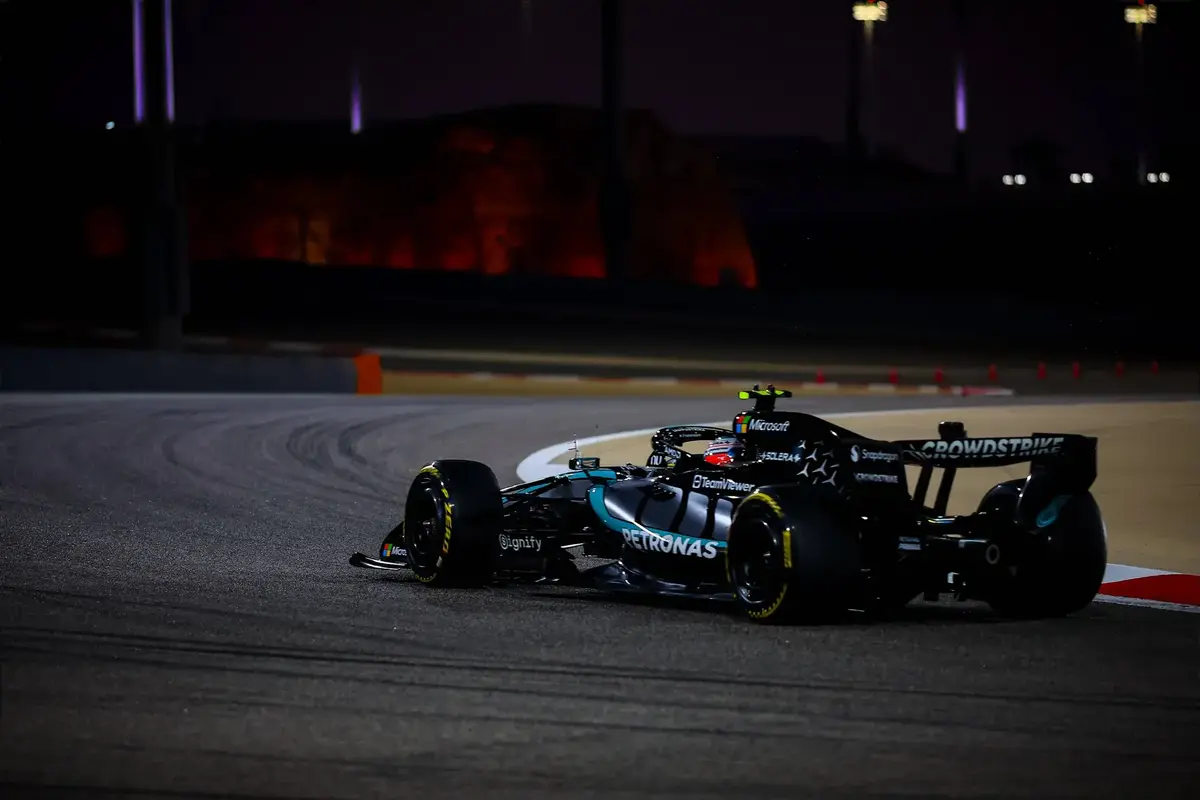
The FIA, led by single-seater director Nikolas Tombazis, is treading carefully, conscious of the need to avoid any rash decisions in light of the mixed feedback. “The cars are new,” Tombazis emphasized, noting that initial simulator concerns have been largely alleviated following the first races in Barcelona and Bahrain. Yet, he acknowledged that critical comments, particularly from Verstappen, warrant attention.
“We are fully aware that adjustments may be required,” Tombazis stated. “This is a topic we've been discussing openly with teams, power unit manufacturers, and drivers for an extended period.” He hinted at possible modifications, particularly regarding energy deployment rules, which could see drivers allowed to recover more energy per lap. This change could lead to a more dynamic racing experience, reducing the “energy poor” scenario described by Verstappen during straight-line speeds.
What does this mean for the future? The FIA is contemplating adjustments primarily focused on how energy is managed through the power units, rather than overhauling the physical hardware of the cars. “There wouldn't be any need for any change of your system,” Tombazis clarified, emphasizing that it’s more about how the systems are operated. He acknowledged that the deployment of electrical energy plays a crucial role in the racing dynamic, and they believe they are currently operating at about 90% satisfaction with the regulations.
However, Tombazis did not shy away from admitting that not every concern has been addressed. “While we've made significant progress,” he said, “some topics remain open for discussion.” He recognized that the current balance of internal combustion and electrical energy systems poses challenges, something that has been on their radar since 2022.
As the FIA prepares for the upcoming races, the clock is ticking on how swiftly these potential changes can be enacted. “We're learning as we go along,” Tombazis said, with the first true test looming on the horizon. He clarified that while adjustments may require a few weeks of discussions and governance processes, they are not looking at months of delays. “It's unlikely to be something between Australia and China,” he noted, but he remains hopeful for a thrilling race in Australia, urging fans not to jump to conclusions based on that single event.
In this marathon of a season, the FIA is committed to transparency and collaboration within the sport. “We will see where we stand and discuss openly,” Tombazis concluded. The stage is set for dramatic developments in the 2026 F1 season, as drivers and officials alike gear up for what could be a pivotal moment in the sport's evolution. Buckle up, because the race for a better F1 is just getting started!