Ferrari Is Revamping Formula 1: Prepare for a Revolutionary 2026 Car!
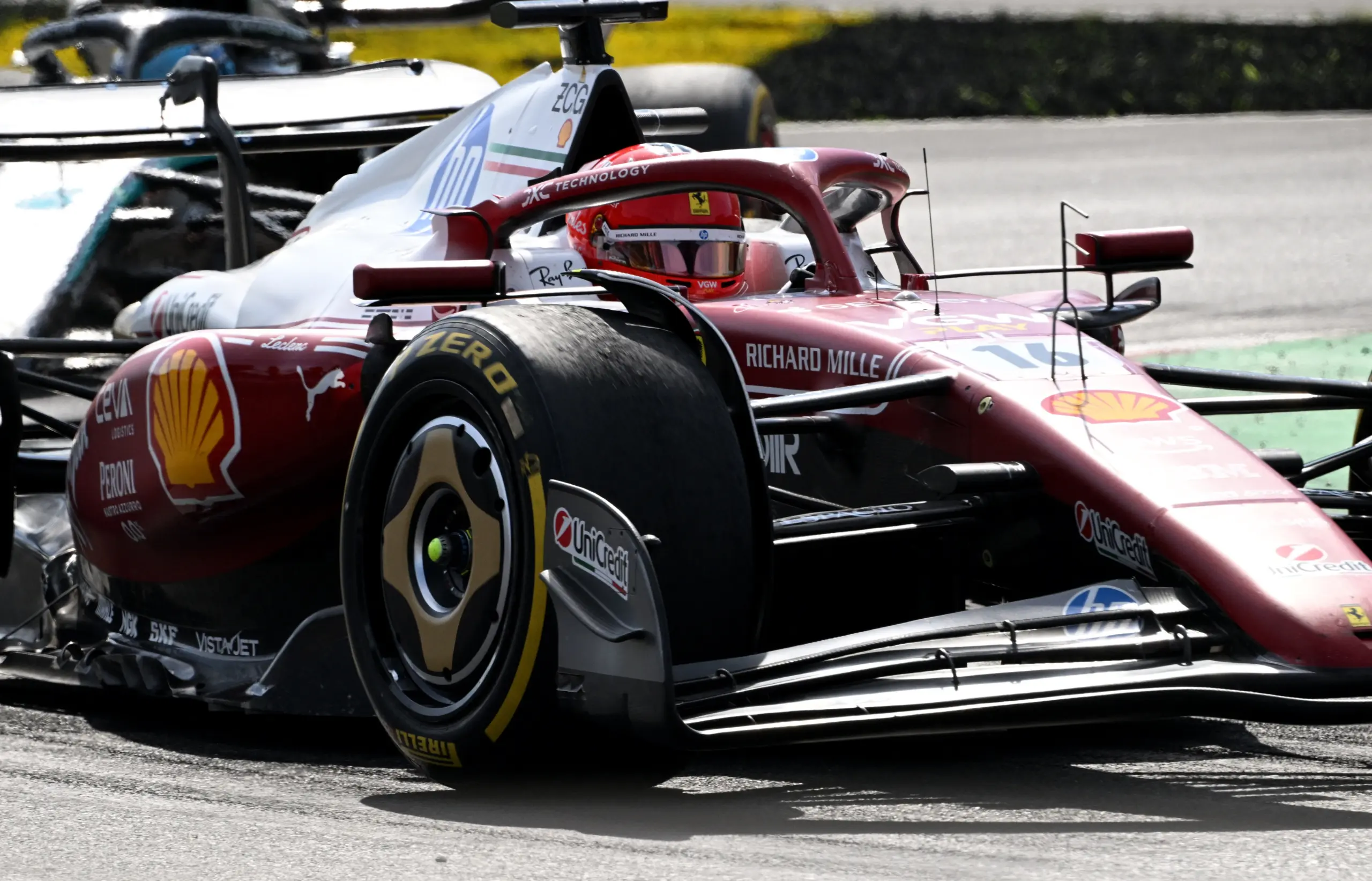
Ferrari is about to shake the Formula 1 world to its core with an audacious two-version strategy for its highly anticipated 2026 car, set to make its grand debut on January 23! With the catastrophic limitations of the SF-25 firmly in the rearview mirror, the Scuderia is embracing a radical new design philosophy that promises to redefine the racing landscape.
The upcoming 2026 regulations represent the most seismic shift in Formula 1 since the previous generation debuted in 2022. Teams across the paddock are scrambling to decode these sweeping changes—an endeavor that requires a near-blank canvas approach, with precious little knowledge carried over from the current lineup. Ferrari is not alone in this high-stakes game; every constructor is pushing their resources to the limit, searching for every shred of performance available from the outset.
However, this aggressive approach comes with a dark cloud of risk. Teams are racing against the clock, facing reduced development time that could impact their ability to implement groundbreaking solutions across a multitude of systems—from the intricate internal fluid dynamics to the complex aerodynamic packages.
Ferrari’s team principal, Fred Vasseur, has laid out a bold two-phase development strategy that promises to be a game-changer. The initial version of the car will serve primarily as a test platform during the closed-door sessions in Barcelona at the end of January. But don’t expect to see blistering performance right out of the gate! This initial iteration will focus on validating critical systems like packaging solutions, fluid dynamics, and the electronic management of the new power units.
While performance may take a back seat during this initial phase, the evolution of the car will ramp up significantly in the Bahrain test sessions, where the focus will shift to a more definitive specification featuring crucial aerodynamic improvements. This strategic progression allows Ferrari to learn and adjust on the fly, all while treading carefully into uncharted technical territory.
Among the critical design areas for the 2026 car, the nose section stands out as a vital component. With stricter safety requirements and the introduction of active aerodynamics, teams must completely rethink their approach. Ferrari is poised to optimize airflow towards the floor and sidepod inlets, a challenge that could redefine how the car performs on the track. Expect a significant change in radiator positioning from the launch version to the final iteration, facilitating a more aggressive narrowing of the rear section and enhancing airflow management.
Moreover, a substantial revision in suspension design is on the horizon. Indications suggest that Ferrari will revert to push-rod layouts at both the front and rear of the vehicle. This decision isn’t due to any failures of the previous configuration but rather the theoretical benefits of improved internal component positioning. By adopting a push-rod arrangement, Ferrari could achieve a slimmer nose profile and tighter rear packaging while ensuring optimal airflow to the rear diffuser.
As the countdown to the 2026 season intensifies, fans and competitors alike are on the edge of their seats. Will Ferrari’s bold gamble pay off, or will the weight of their ambitions crash down? One thing is for certain: the 2026 Formula 1 season is going to be a spectacle like no other! Don’t miss a moment of the action with the essential 2026 F1 calendar, perfect for your smartphone or PC. Buckle up; the race for supremacy is just getting started!