Fernando Alonso: A Legendary Journey Through 25 Years of Formula 1 Triumphs and Tribulations
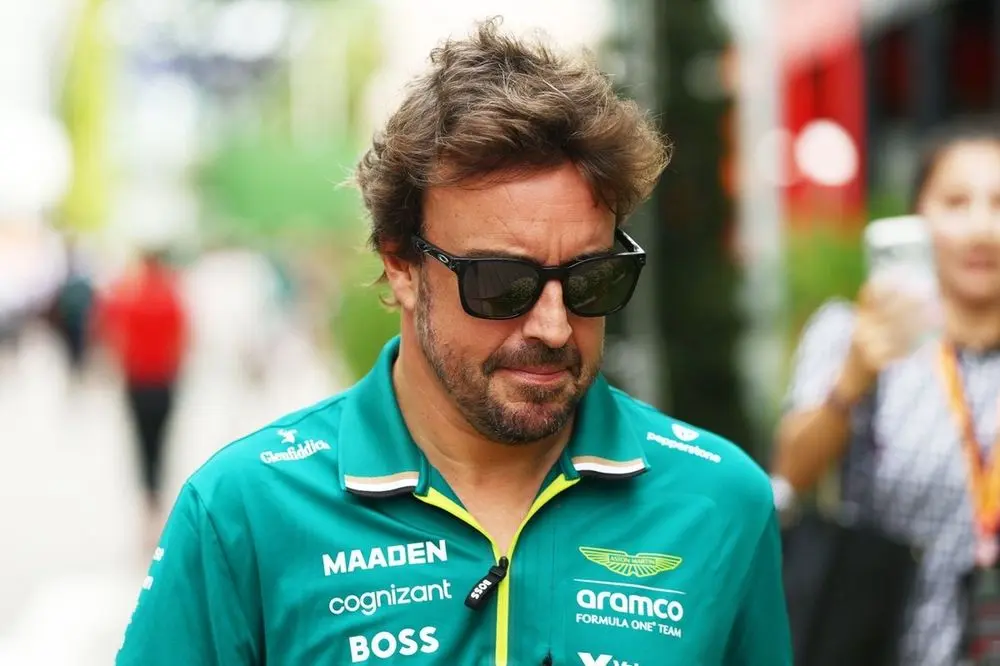
In the electrifying world of Formula 1, few stories are as compelling as that of Fernando Alonso, a name that has become synonymous with resilience, talent, and groundbreaking achievements. As we mark a staggering 25 years since Alonso made his monumental debut in the sport, it’s time to reflect on how this young prodigy from Oviedo, Spain, transformed the racing landscape forever.
Back in the early 2000s, Spain was a mere footnote in the annals of Formula 1 history, with only one shared podium finish to its name, courtesy of Alfonso de Portago in the 1950s. As the 2001 season approached, it seemed that Spanish drivers were destined to remain in the shadows, with just 663 Grand Prix races and a solitary podium from nearly 2,000 opportunities. However, the winds of change were about to blow in favor of a new hero.
Alonso’s journey began in December 1999 when he first sampled Formula 1 machinery at Jerez, a reward for his triumph in the Nissan EuroOpen championship. This was just the beginning. In 2000, he dove into the F3000 championship, the final hurdle before the big leagues, racing against some of the best in the world. Although he finished fourth overall, his spectacular victory at Spa caught the eye of legendary manager Flavio Briatore, who was searching for his next superstar after the monumental success of Michael Schumacher at Benetton.
On February 5, 2001, history was made as Alonso’s move to Minardi was announced. This momentous decision would see him become the third youngest driver to ever grace a Grand Prix, debuting on March 4, 2001, in Melbourne—just 31 days before Oscar Piastri was born in the same city. At just 19 years, seven months, and four days old, Alonso showcased immense potential, even as he drove a backmarker car that offered little chance for success. Despite the odds, he managed to outqualify teammate Tarso Marques 12-2, proving to those with discerning eyes that he was a force to be reckoned with.
Alonso’s rookie season was a rollercoaster, finishing 23rd in the standings with a best finish of ninth in both Brazil and Canada. Yet, in the season finale at Suzuka, he delivered a phenomenal performance, dragging his unreliable Minardi to an impressive 11th place, a sign that greatness awaited him. By 2002, he was elevated to the role of test driver for Renault under Briatore’s guidance, setting the stage for a meteoric rise.
The year 2003 marked a turning point as Alonso became a pole-sitter and, later, the youngest race winner in history at the Hungarian Grand Prix, a record that has since been eclipsed but remains a testament to his early prowess. With two world titles under his belt, Alonso has firmly established himself in the pantheon of F1 legends. Fast forward to today, and he holds the record for the most Grand Prix starts in history, with an astonishing 425 races and counting. By the end of the 2026 season, he could reach 449 starts—a feat that would solidify his legacy like no other.
With the potential to break the record for the longest gap between World Championships—currently held by Niki Lauda at seven years—Alonso could rewrite the history books if he captures another title. Imagine the headlines: a 20-year gap between championships! Could this dream become a reality for one of the sport’s greatest talents?
As Fernando Alonso continues to defy age and expectations, one thing is clear: his journey through Formula 1 is far from over. The legacy of this Spanish maestro is not only a celebration of past triumphs but a beacon of hope for future generations. Buckle up, because the Alonso saga is still speeding ahead!