Fernando Alonso Launches Scathing Attack on F1 2026 Cars: “Like Driving a Rental!”
The Formula 1 landscape is undergoing a seismic shift as the 2026 regulations usher in an era of cars that have left some drivers questioning their very essence. Legendary driver Fernando Alonso has pulled no punches, declaring that the new generation of F1 cars requires significantly less driver skill and likening them to “rental cars” due to their lack of grip. This shocking assessment has set the motorsport world ablaze as the season-opening Australian Grand Prix looms on the horizon.
As the new engine formula takes center stage, Alonso stands out with his candid criticism. He argues that the sport is veering dangerously close to the realm of Formula E, thanks to a controversial 50/50 split between electric and combustion power. The focus on energy management has transformed race strategy into a complex puzzle, with terms like “boost mode,” “overtaking mode,” and “battery harvesting” dominating conversations in the paddock. This evolution means drivers now face the dilemma of either charging through corners at full speed or conserving energy for the all-important straights.
The veteran driver has voiced concerns that the thrill and challenge of high-speed cornering have been significantly diluted. “You’re always on the limit of grip,” Alonso stated during a press conference in Bahrain. “But in high-speed corners, especially, I think it’s less challenging. We have to say that, there’s nothing wrong to say.” His comparison to a rental car underscores his frustration; “In a rental car, you are always on the limit of the grip if you push the limits.”
The implications of this energy management strategy are staggering. Alonso revealed that, in crucial corners such as Turns 10 and 12, drivers are forced to sacrifice speed—up to 50 kph—to save energy for later on the track. “Now in 10/12 we are like 50 kph lower because we don’t want to waste energy there, and we want to have it all on the straights,” he lamented. The result? A scenario where even a chef could pilot today’s car effectively at reduced speeds. “The chef can drive the car in 10/12 at that speed, but you don’t want to waste energy,” he added.
This shift in dynamics leaves drivers feeling handcuffed, with Alonso asserting that it diminishes the importance of their skills. “From a driver point of view, obviously, your skills matter less now,” he explained. “You can go as fast as the energy decision you choose before that corner.”
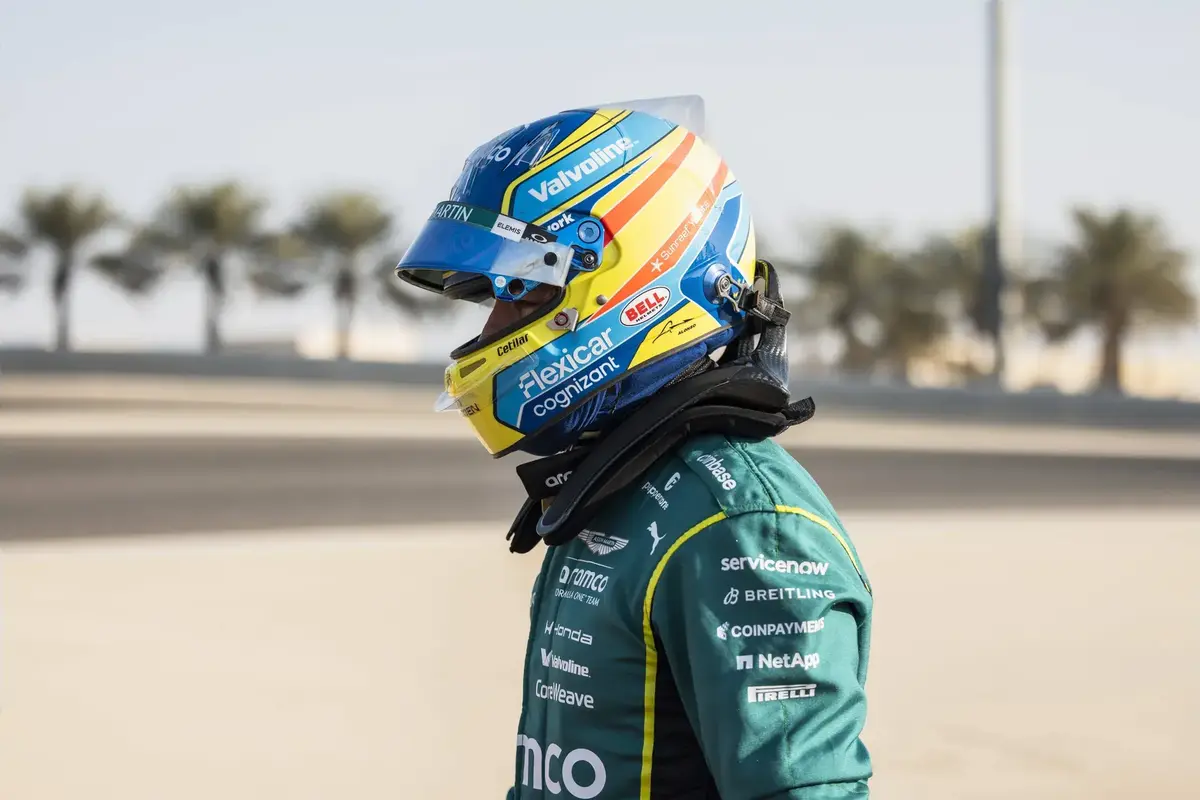
As the 42-year-old Spaniard gears up for the upcoming Bahrain race, he continues to push for a return to a more skillful and thrilling driving experience. Alonso was back behind the wheel of the AMR26 during testing, showcasing his commitment to adapting in this rapidly changing sport.
With discussions heating up and the stakes higher than ever, fans and analysts alike are left to wonder: What does the future hold for F1 if the thrill of driving is indeed being overshadowed by technology? Alonso’s stark warnings serve as a rallying cry for purists who yearn for a return to the raw, unfiltered excitement that has long defined Formula 1. As the engines roar and the lights go out, one thing is clear—this season promises to be a pivotal one in the history of the sport.