F1’s Ground Effect Revolution: A Daring Dream or a Dismal Disaster?
In the fast-paced world of Formula 1, where speed and precision reign supreme, the introduction of groundbreaking ground effect regulations from 2022 to 2025 promised to reshape the landscape of grand prix racing. However, what was hailed as a revolutionary leap forward has instead devolved into a perplexing saga of unintended consequences, leaving fans and drivers alike scratching their heads.
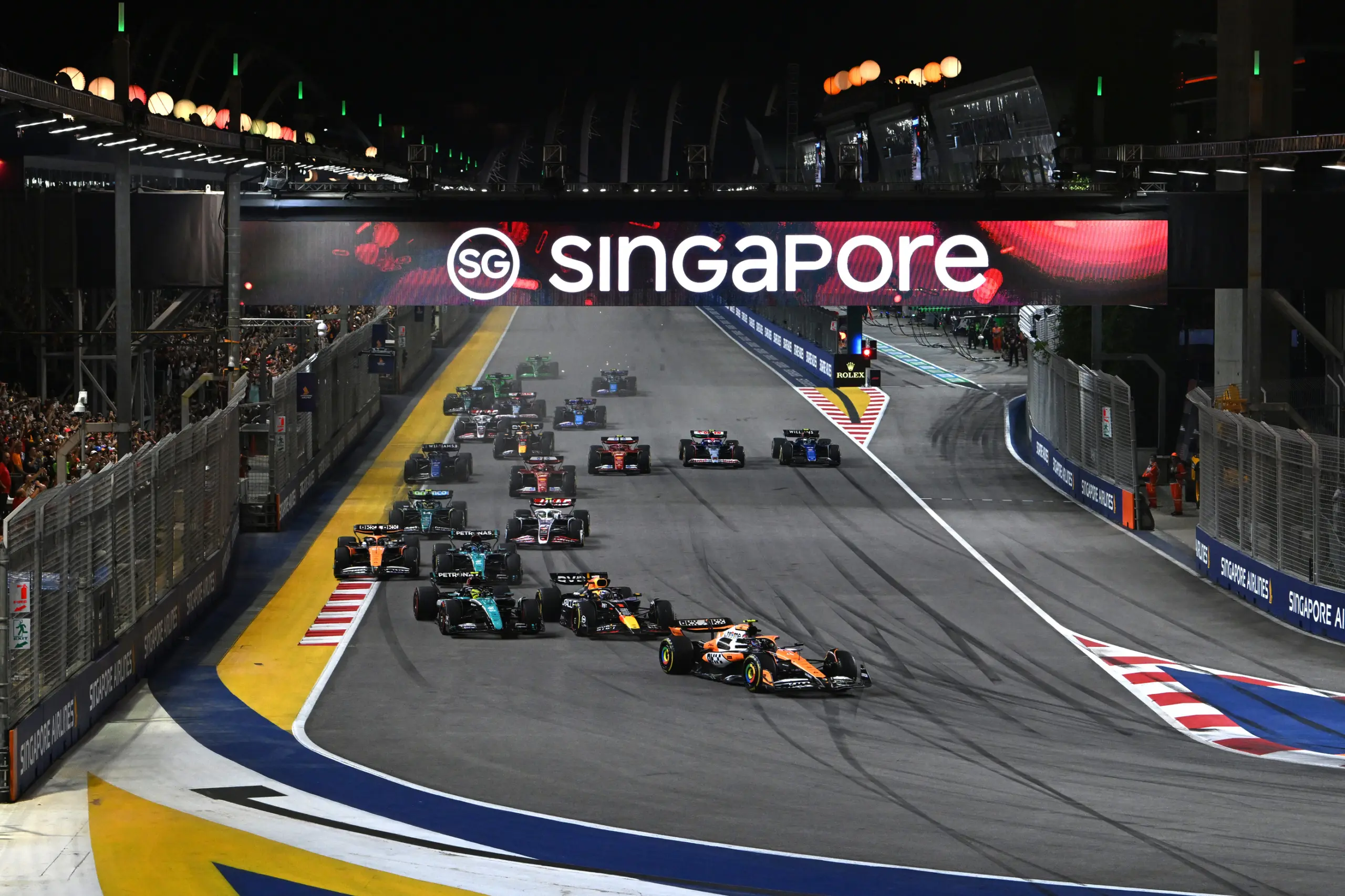
Initially, these regulations were touted as the most meticulously crafted in F1 history, designed to enhance the “raceability” of cars and reduce the reliance on complex top-body aerodynamics. The aim was crystal clear: make it easier for cars to follow one another closely, thereby igniting thrilling battles on the track. Yet, the reality turned out to be a stark contradiction, as these very cars became notorious for their inability to race in proximity, leading to an alarming rise in processional races.
The quest for speed and downforce reached dizzying heights. Though the new regulations did succeed in increasing downforce levels—creating astonishingly fast machines—they also came at a high cost, pushing drivers to their physical limits while failing to deliver the edge-of-your-seat action fans crave. The initial optimism of 2022, where cars could follow with improved downforce retention, quickly faded into frustration. By 2025, the data revealed a concerning trend: the ability of a trailing car to maintain downforce had decreased significantly, with figures dropping to just 65% at 10 meters behind a competitor, compared to the promising 85% at the onset of the regulations.
What went wrong? The answer lies in the relentless pursuit of performance by F1 teams. In their tireless quest for victory, teams exploited every loophole at their disposal, undermining the very essence of the regulations. Ross Brawn, the former F1 chief, acknowledged this reality, stating, “with the best will in the world, the teams won’t have traceability as a priority.” This relentless push for speed manifested in innovations like the controversial Mercedes endplate design, which, although deemed illegal, merely prompted teams to find new ways to manipulate aerodynamic outwash to their advantage.
The FIA’s efforts to manage this aerodynamic wake—meant to reduce turbulence for following cars—proved insufficient. Key areas such as front wing endplates, floor edges, and brake duct arrays became battlegrounds for teams seeking to gain the upper hand. As Tombazis, a prominent figure in F1’s regulatory landscape, lamented, “there were certainly some areas of the regulations where they were a bit too permissive,” revealing a crucial oversight in the original drafting of the rules.
As the clock ticked towards 2025, discussions about potential tweaks and adjustments to the regulations became increasingly urgent. However, F1’s governance processes necessitated team consensus, and, as Tombazis noted, “we didn’t have enough support among the teams.” This deadlock meant that critical adjustments to enhance raceability remained stagnant, leaving drivers and fans yearning for a solution.
But it wasn’t all doom and gloom. Despite the chaotic implementation of ground effect regulations, one objective was met: the championship became more competitive and unpredictable. The 2025 season saw a thrilling climax, with Lando Norris, Max Verstappen, and Oscar Piastri in contention for the championship until the very end. Yet, it’s hard to ignore the shadow of dominance cast by Red Bull, which secured a staggering 21 out of 22 races in 2023, raising questions about the effectiveness of the regulations overall.
Central to the tighter competition were two critical factors often overlooked: the cost cap and the aerodynamic testing regulations. Though implemented in 2021, their effects rippled through the sport, curbing the financial arms race that had plagued F1 for years. With the cost cap revised down to $140 million in 2022, teams were forced to innovate within tighter budgets, leveling the playing field and making it a more attractive venture for all involved.
As F1 looks ahead, the legacy of the ground effect regulations remains a mixed bag. While they fell short of their ambitious goals for improved racing dynamics, they did succeed in fostering a more stable and financially sound environment for teams. Tombazis reflects on this dichotomy, stating, “I think we made a significant step in the right direction on most of these aims…but I certainly wouldn’t claim total success.”
In the grand tapestry of Formula 1, the ground effect era will be remembered not just for its failures but for the lessons learned in the pursuit of speed and spectacle. As teams gear up for the next chapter, the hope remains that they can strike the delicate balance between innovation and racing excitement, ensuring that fans get the heart-pounding action they crave.