Formula 1: A $3.7 Billion Revenue Machine with $1.6 Billion in Prize Money Up for Grabs!
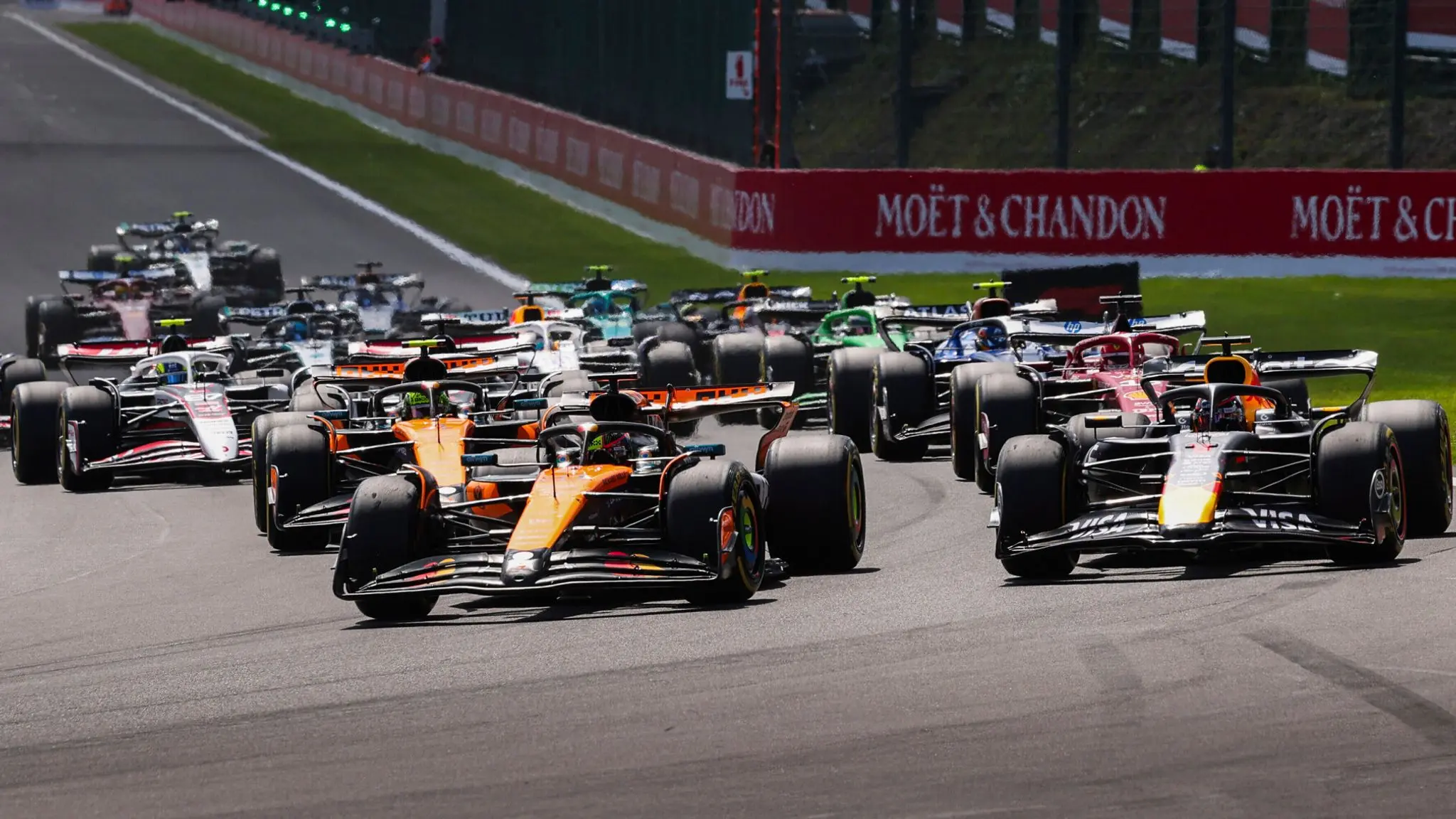
In the high-octane world of Formula 1, the stakes are soaring to unprecedented heights! Liberty Media has set the wheels in motion for a dramatic financial redistribution that is reshaping the economic landscape of the paddock. As we gear up for the 2025 season, a staggering $1.6 billion in prize money is about to be allocated among the teams, marking a pivotal moment in the sport’s storied history.
With the championship expanding from 10 to 11 teams, the financial dynamics are shifting, and the implications are enormous. In a sport now governed by a budget cap, these prizes have transcended mere bonuses—they are essential lifelines for technical development, recruitment, and long-term stability. The formula is straightforward: 45% of F1’s total revenue—an eye-popping $3.7 billion—is funneled back to the teams based on their performance in the previous season.
The anticipated redistribution is already making waves. The reigning Constructors’ Champion, McLaren, is set to claim the lion’s share, pocketing a staggering 14% of the total prize pool, which translates to approximately $175 million! This remarkable financial boost is a testament to McLaren’s dominance on the track, but what about the other teams?
Mercedes, showing a strategic resurgence, is not far behind. Having climbed to second place in the championship after a solid performance in 2024, the German powerhouse will rake in around $164 million, keeping them in close proximity to McLaren’s financial windfall.
But it’s not all smooth sailing for every team. Red Bull Racing, once the uncontested titan of the sport, will take home about $152 million—an amount that, while stable, pales in comparison to their glory days of absolute supremacy.
The financial fallout is particularly harsh for Ferrari. Once the pride of the grid and vice-champions in 2024, the Scuderia has tumbled to fourth place, suffering a severe cut in their annual prize money to approximately $141 million. This significant decline highlights the harsh realities of competition—both on and off the track.
In an unexpected twist, Williams has emerged as the surprising star of the midfield. Thanks to impressive podium finishes by Carlos Sainz and the steady performance of Alex Albon, the Grove-based team has surged to fifth place, securing about $130 million to fuel their ambitious revival under the leadership of James Vowles.
The battle for financial supremacy continues with Racing Bulls finishing sixth and earning an estimated $119 million, closely followed by Aston Martin in seventh place, which will receive approximately $107 million. Haas claims eighth with $96 million, while Sauber, just shy of the podium in ninth, will benefit from nearly $85 million as they prepare for their transformation into Audi F1.
However, the 2025 season has been a nightmare for Alpine. After a respectable sixth-place finish in 2024, they plummeted to the bottom of the standings, landing them the lowest prize of $75 million. This dramatic downturn serves as a stark reminder of the unforgiving nature of Formula 1.
This massive prize pool underscores the new reality of modern Formula 1: while budget caps restrict spending, on-track performance remains the linchpin for economic survival. As every dollar becomes crucial, the Constructors’ Championship standings have morphed into a powerful tool—one that can catapult a team toward a bright future or trap them in a cycle of rebuilding.
With these monumental changes on the horizon, the upcoming season promises to be a thrilling spectacle—one that fans and teams alike will not want to miss! The financial battle lines have been drawn, and in the world of Formula 1, only the fastest and smartest will thrive. Buckle up for a season that is guaranteed to be anything but ordinary!