F1's Shocking Qualifying Rule Overhaul: What You Need to Know!
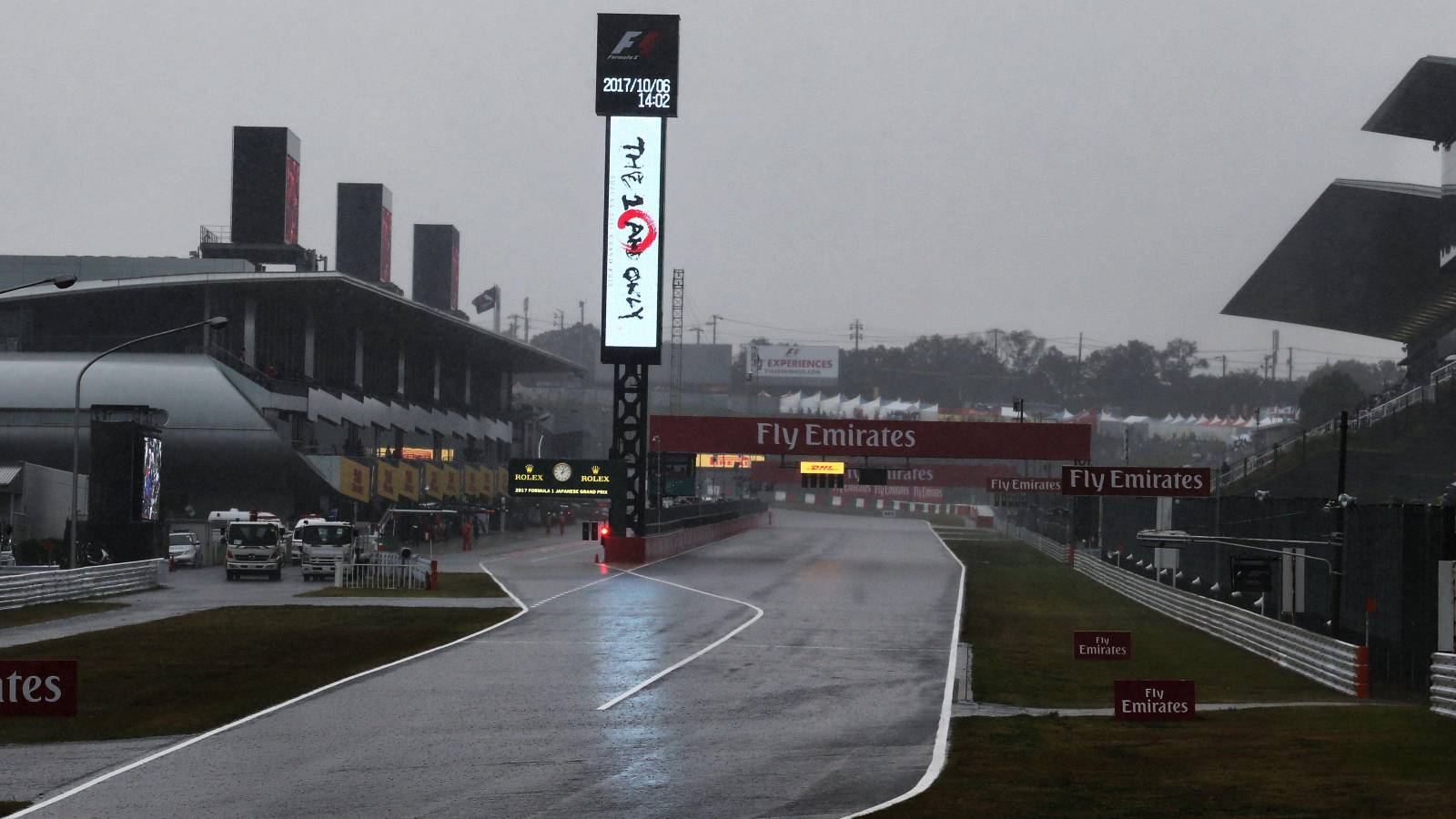
In a groundbreaking move that has sent shockwaves through the motorsport community, the FIA has dramatically altered the qualifying rules just weeks into the F1 season. Following the initial races in Melbourne and Shanghai, drivers voiced intense concerns over the punishing energy management regulations that have stifled performance on the track. The governing body responded decisively, changing the recharge limits for the pivotal qualifying session at the iconic Suzuka circuit.
The previous cap allowed a maximum energy recovery of just 9.0 MJ per lap, forcing drivers to adopt a bewildering driving style. Instead of unleashing their full potential, competitors found themselves trapped in a game of energy conservation during qualifying—a scenario that no driver wants to experience. Charles Leclerc expressed the frustration that many felt, stating, “It’s no longer possible to push flat out in qualifying because you have to manage the energy, and that’s particularly disappointing for me because qualifying has always been where I can extract the most performance.”
Now, with the limit reduced to 8.0 MJ for the weekend, the grip of energy management has loosened slightly, allowing drivers to return to more instinctive racing. This seemingly minor adjustment, just 1.0 MJ, is a game-changer. Gone are the days of awkward lift-and-coast maneuvers and shifting into lower gears at crucial corners. The FIA’s latest tweak paves the way for drivers to unleash their true capabilities, showcasing the raw power and talent that defines Formula 1 racing.
While some may argue that this change is not revolutionary, it undeniably propels F1 closer to a reality where on-track performances genuinely reflect the skill of the drivers and the capabilities of their machines. The new qualifying rule is a focused step, as it pertains solely to a one-lap sprint, making it far easier to implement than changes that would need to be made for the complexities of race conditions.
The FIA has been clear that this is just the beginning. The ongoing refinement of energy management rules is still in its infancy, and while the racing world holds its breath, there’s hope for further adjustments that could enhance the purity of competition. The specter of 'fake overtakes'—where drivers utilize energy boosts only to become vulnerable moments later—remains a significant hurdle that the FIA must address in the future.
As the motorsport world keeps a watchful eye, this pivotal change at Suzuka could mark a turning point for Formula 1, igniting fierce competition and thrilling fans worldwide. Get ready for a new era where speed and strategy take center stage!