F1 Stewards Under Fire: The Controversial Decision-Making Process Exposed!
In the high-octane world of Formula 1, the spotlight has turned to the stewards—the men and women tasked with upholding the integrity of the sport. Following a heated meeting between drivers and the FIA at the Qatar Grand Prix, the decision-making process of these stewards has ignited a firestorm of debate. Were the discussions merely a façade, or is there a deeper issue at play regarding consistency and fairness in their rulings?
At the heart of the controversy lies the infamous 10-second penalty handed to Oscar Piastri during the Brazilian Grand Prix. This incident has become a catalyst for outrage, leading many to question whether the FIA’s approach to enforcing rules is fundamentally flawed. Could this be the turning point that compels the FIA to reconsider the use of permanent stewards, a move that could forever alter the dynamics of Formula 1 racing?
While the focus has been on a handful of incidents that have divided opinions, it’s crucial to recognize that these cases represent a mere fraction of the total decisions made by stewards throughout the season. The Qatar meeting highlighted just five contentious incidents, yet these accounted for a staggering 0.98% of the 509 cases referred to stewards this year. Yes, you read that right—less than 1% of all incidents were the subject of intense scrutiny and debate!
Let’s break down the numbers to reveal the true scope of the stewards’ work:
– Total incidents referred to stewards: 509 – Incidents investigated: 405 – Decisions made: 410 – No further action taken: 252 – Penalties issued: 153
Among the penalties, we find a mix of fines, reprimands, and disqualifications. The breakdown is staggering: 12 for pitlane speeding, 31 formal warnings, and 9 disqualifications! These figures paint a picture of a rigorous, albeit imperfect, system tasked with maintaining order in the chaotic world of F1.
Critics argue that the current system lacks the consistency drivers crave. Why was Piastri penalized so heavily for a similar incident that left Liam Lawson unscathed? This inconsistency has fueled the fire for calls to implement a panel of permanent stewards, a move many believe would ensure uniformity in decision-making across the season.
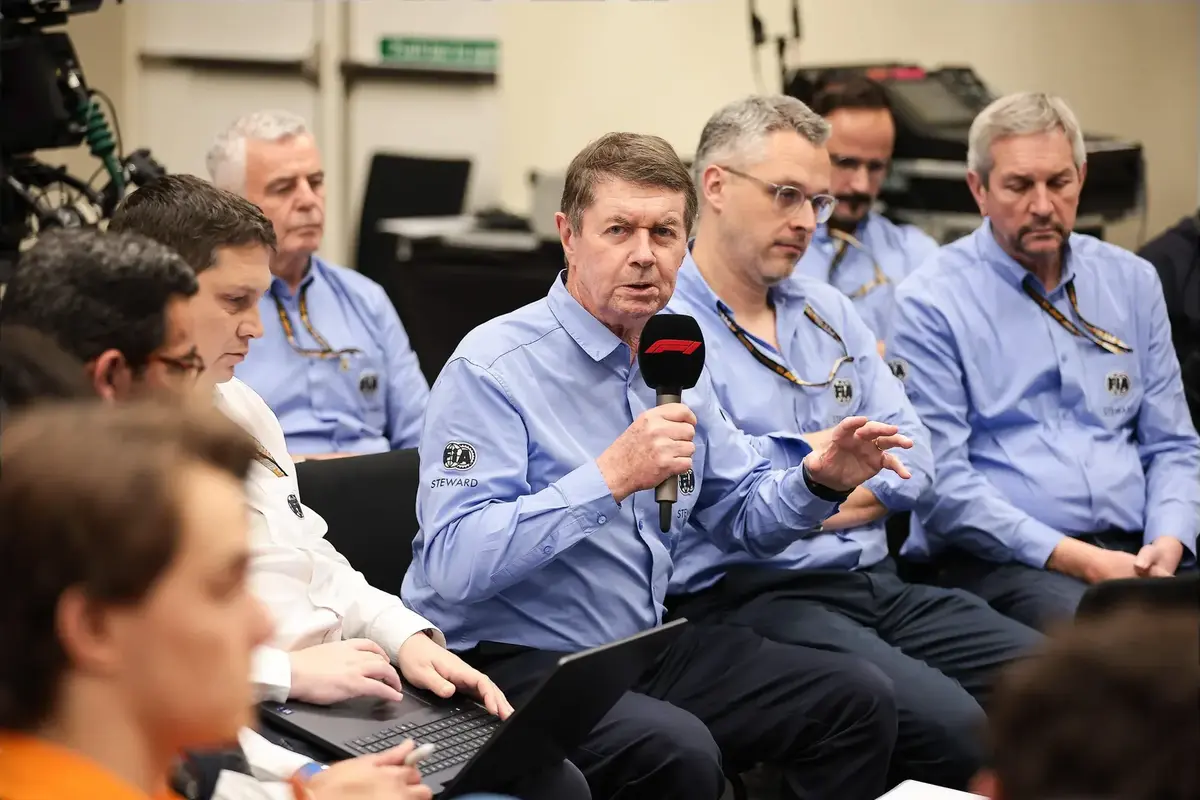
However, what is often overlooked in this binary debate is the significant effort made to improve the stewardship process. The current panel comprises just 12 stewards—four experienced chairs, three former F1 drivers, and five secondary FIA stewards—rotating throughout the season to prevent bias and maintain fairness. This structure is already close to what a permanent panel would look like, thus challenging the notion that change is desperately needed.
Furthermore, the FIA has instituted measures to enhance consistency, including ensuring that at least one steward from a previous race returns for the next. This continuity is crucial for maintaining a cohesive decision-making process. Yet, even with these safeguards, not every decision will be met with unanimous approval. The high-pressure atmosphere of racing often leads to split-second judgments that may not align with how they are viewed in hindsight.
Is the current stewarding system perfect? Absolutely not. But it’s essential to recognize that the vast majority of decisions—over 99%—are made without controversy. The FIA aims to evolve and adapt, taking drivers’ grievances seriously to refine their processes for the future.
In a world where every decision can lead to uproar, the quest for a flawless stewarding system may be nothing more than a pipe dream. As F1 races into the future, the discussions around stewardship will undoubtedly continue, but one thing is clear: the integrity of the sport hangs in the balance, and the decisions made by these stewards will shape the narratives of races to come. Buckle up, because we’re in for a wild ride!