F1 Under Fire: Health Hazards of the Ground Effect Era Exposed by Pierre Gasly!
In a shocking revelation, Alpine F1 driver Pierre Gasly has shed light on a critical issue that has plagued Formula 1 drivers throughout the tumultuous ground effect era from 2022 to 2025. This period, dominated by Max Verstappen’s astounding three championship victories, was not just about speed and competition; it also brought to the forefront a troubling reality—serious health concerns for the drivers.
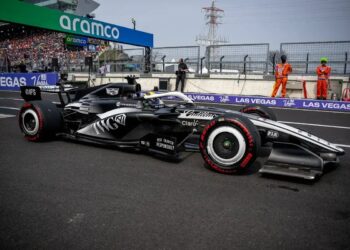
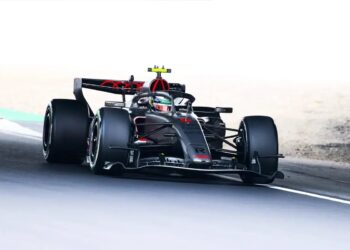
As the racing world eagerly anticipates a new era of regulations set to reshape the sport, Gasly’s candid remarks highlight the harsh physical toll inflicted by the previous car designs. The infamous “ground effect” cars, designed to hug the track and maximize downforce, resulted in relentless porpoising—a phenomenon causing cars to bounce violently along the straightaways. This issue was particularly pronounced in 2022, leading to drivers like Lewis Hamilton expressing their desperation during races. At the Azerbaijan Grand Prix, Hamilton was candid, stating he was “praying” for the race to end due to the unbearable strain on his back from the continuous jolting.
Gasly, speaking at the Abu Dhabi Grand Prix, didn’t mince words about the dark side of the sport. “The one thing we haven’t really been too happy as drivers is just the amount of bouncing,” he explained. He emphasized the detrimental impact on their backs, admitting, “I think we all agree that it’s been rough. It’s not sustainable over a full career, so I think that’s a good thing, that they sort of moved away from it.”
Fans and critics alike are now left wondering: will the new era of F1 cars avoid the pitfalls of their predecessors? The early signs are promising. With regulations shifting towards a more refined design, the new vehicles are expected to steer clear of severe porpoising. Significant changes will include a higher ride height and a host of aerodynamic adjustments that aim to enhance not only performance but also driver safety.
In 2026, F1 will witness a dramatic overhaul: cars will be lighter by a staggering 30 kg, with the wheelbase shrunk by 20 cm and overall width reduced by 10 cm. The maximum floor width will contract by 15 cm, while front and rear tyre widths will also see reductions. Front wings will be 10 cm narrower and will incorporate a two-element active flap, while the rear wing will feature a three-element configuration and the lower beam wing will be eliminated. This removal is crucial for reducing turbulence or ‘dirty air’ that has hindered overtaking and competitive racing.
Adding to the excitement, the introduction of two aerodynamic modes—straight mode and corner mode—will revolutionize how cars perform on the track. Straight mode will optimize drag reduction for maximum speed, while corner mode will enhance downforce for improved cornering. This strategic shift marks a significant leap towards more thrilling racing while prioritizing driver health.
As F1 gears up for this transformative chapter, the focus on driver well-being could not be more timely. With concerns about the physical strain of racing taking center stage, the sport might just be on the brink of an era that prioritizes not only speed but also the health of its most valuable assets—the drivers. The question now remains: can the new regulations truly deliver a safer and more exhilarating experience for all? Fans around the globe will be watching closely.