F1 IN CRISIS? Alpine Chief Calls New 2026 Cars a TOTAL DISASTER!
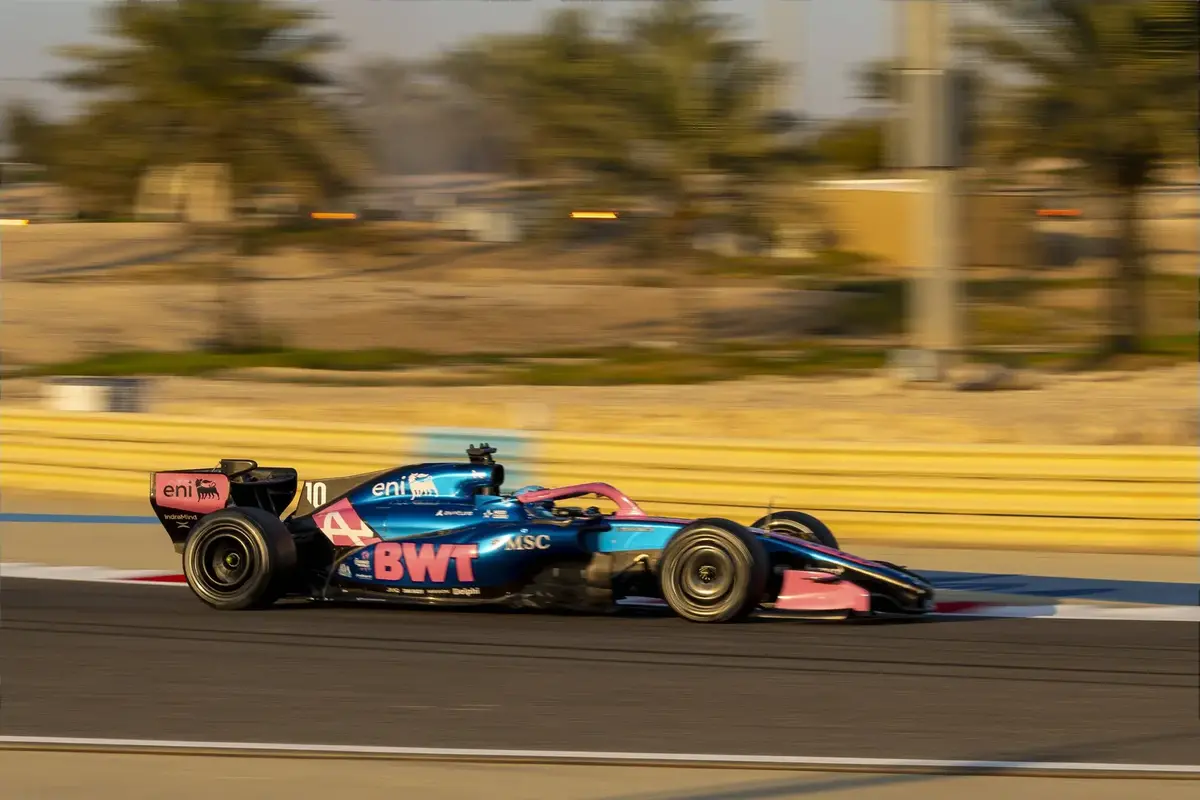
As the countdown to the 2026 Formula 1 season begins, a thunderous storm of controversy is brewing over the radical changes in car regulations. Alpine's executive advisor, Flavio Briatore, has unleashed a scathing critique, labeling the upcoming vehicles a “waste” and warning of a potential “steep decline” in the sport's popularity.
Starting in 2026, F1 is set to undergo a seismic transformation with a complete overhaul of chassis and power unit regulations. The new rules dictate an almost even split in power output, with internal combustion engines (ICE) sharing the stage with a robust 350kW electrical MGU-K system. The much-maligned MGU-H has been scrapped, leading to an electrifying shift that has left many fans and experts in disbelief.
Briatore’s disapproval is not just a whisper in the wind; it resonates with other voices in the F1 community. He articulated his discontent to Motorsport.com, stating, “The complex energy management of the new generation of cars is putting F1 at risk of a steep decline.” He further emphasized that this shift is “simply a waste of engineering effort and will not be understood by the fans.”
The Italian mogul, known for his candid remarks, is unrepentant about his stance, even opining on the Netflix hit series “Drive to Survive,” where he amusingly claimed, “I enjoy firing people.” But when it comes to the future of F1 and its technological leap towards electrification, Briatore firmly believes that the complexities of these new regulations will alienate fans. “I think so. The fans only understand 20 percent of it anyway,” he lamented, adding that a clearer explanation of the changes is crucial for maintaining spectator engagement. “At the very least, they ought to explain what's going on,” he urged.
And what do the drivers think about this brave new world? Four-time world champion Max Verstappen has not held back his apprehension either. Describing the experience of driving the 2026 cars as akin to “Formula E on steroids,” Verstappen has candidly stated that this new era of racing is his “least favorite” due to the excessive management required to navigate the revamped regulations.
With all 11 teams preparing for the 2026 season's grand opening in Melbourne, set for March 8, fans are left on the edge of their seats. Will the new regulations usher in a thrilling era of Formula 1, or will they lead to disillusionment among the sport's most passionate supporters? As these changes loom, the stakes have never been higher, and the automotive world watches with bated breath.
The question remains: Is Formula 1 on the brink of a revolution or a catastrophic downfall? Only time will tell, but the alarms are sounding, and the future of F1 hangs in the balance.