F1 Australian GP: 120 Overtakes but Is Quantity Compromising Quality?
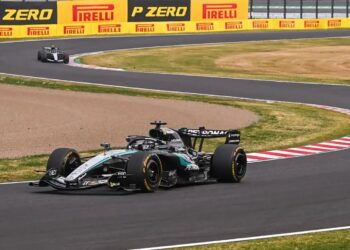
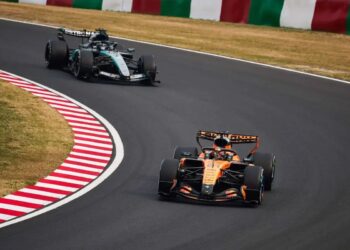
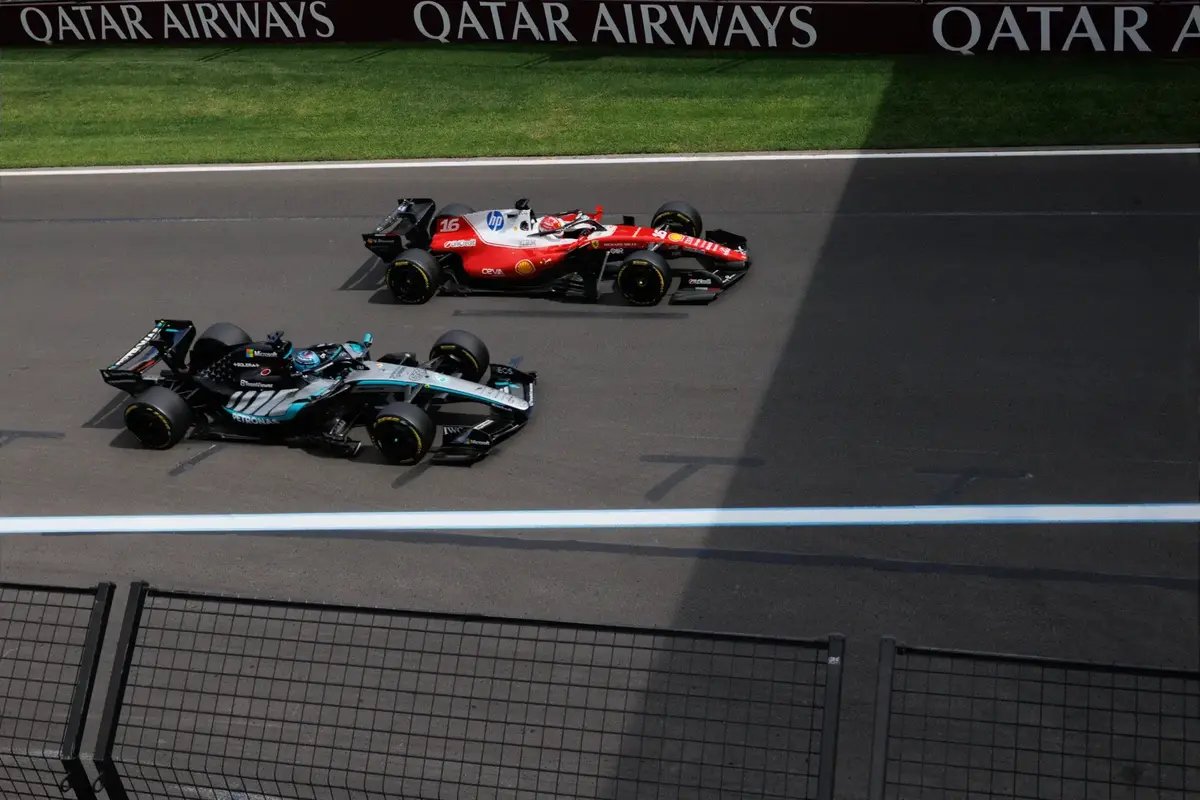
In the high-octane world of Formula 1, the mantra has long been that more overtakes denote a better race. However, the recent Australian Grand Prix held in Melbourne in 2026 challenges this notion head-on, raising serious questions about the very fabric of what defines an exhilarating motorsport spectacle. The statistics are dazzling: 120 overtakes were recorded, a staggering leap from the mere 45 during the previous year’s race. But does sheer quantity equate to quality? The answer, it seems, is a resounding no.
Racing enthusiasts flocked to the Melbourne circuit, their excitement palpable, yet many left feeling underwhelmed. The overwhelming number of overtakes did little to foster a sense of thrill or engagement among viewers. The stark reality is, while statistics may shine, they often conceal the underlying complexities of race dynamics. A deeper dive reveals that the essence of a great race transcends beyond mere overtaking figures.
Despite the F1’s announcement of this impressive overtaking statistic, a recent survey by AutoSport indicates a growing discontent among fans regarding the new generation of cars. The consensus is clear: overtaking is not the sole indicator of an exciting race. The heart-pounding drama of a race is birthed from a myriad of factors—factors that don’t always align to create the perfect storm of racing excitement.
The Illusion of Overtakes
History provides a stark warning against placing too much emphasis on overtaking statistics. Take, for example, the Formula E race in Portland, which boasted over 400 overtakes, yet failed to leave a lasting impression on fans. Similarly, the 2023 Formula 1 race at Zandvoort, which recorded the most overtakes in history at around 180, did not resonate as a defining moment for the sport. In contrast, races that featured fewer overtakes often etched themselves into the memories of fans, proving that it’s not about the numbers but the narrative.
The conundrum of regulatory changes looms large over F1’s future. The challenge for those crafting new regulations is immense: they must entice new manufacturers while ensuring that the racing remains competitive and thrilling. Yet, what manufacturers desire—be it technological advancement or a greener agenda—does not always align with what fans crave: nail-biting competition and breathtaking racing maneuvers.
Is F1 Losing Its Edge?
The question now arises: what does the future hold for Formula 1? The sport is at a crossroads, with its relevance increasingly contested. Are fans yearning for cutting-edge technology, or are they simply in pursuit of exhilarating on-track battles? The current narrative suggests that while technological innovation is essential, it cannot overshadow the need for high-octane drama that keeps fans on the edge of their seats.
As the F1 world embraces this controversial new era, it faces mounting pressure unlike any seen before. Unlike 2014, when passionate die-hard fans were the primary audience, today’s F1 commands a vastly larger and more diverse fanbase, demanding a product that satisfies their thirst for excitement.
Finding the Right Balance
To preserve the integrity of F1, stakeholders must come together, openly addressing the shortcomings of the current racing format. The goal is clear: to enhance the racing experience without sacrificing the sport’s storied identity. If the intention is to invest in this new philosophy, transparency is key. Fans deserve to know that this is merely the beginning of an evolving process, one that may require significant adjustments in the future.
Rushed changes have historically led to disaster within the sport, and the need for a well-considered approach is paramount. Formula 1 must carve out a clear path forward, ensuring it remains true to its roots while daring to innovate and evolve.
What’s Missing?
A glaring concern among fans is the apparent lack of speed in current F1 cars. Observers noted a disheartening dip in performance, with cars losing significant speed on straightaways—an anomaly that contradicts the high-performance legacy of F1. This diminishing speed dilutes the thrill of competition, with onboard footage revealing cars navigating corners at speeds that would have been unthinkable in previous eras.
Addressing this speed deficit is crucial for the future of F1. As the series heads to upcoming races in China and Japan, there is hope that these circuits might better showcase the capabilities of the new generation of cars. However, with the anticipated absence of Middle Eastern races, F1 will have a critical window of approximately five weeks to regroup and reassess whether the current trajectory is sustainable.
In the relentless pursuit of racing perfection, Formula 1 must remember: it is not merely about the number of overtakes, but about crafting unforgettable moments that define the sport. Only time will tell if this new era can rise to the occasion or if it will falter under the weight of its own ambitions.