The Future of Speed: How 2026 F1 Cars Use LED Lights to Reveal Energy Secrets!
In a seismic shift that’s electrifying the world of Formula 1, the 2026 season is set to unveil radical new regulations that could change the game as we know it. With a revolutionary emphasis on hybrid technology, the balance between the internal combustion engine and electric energy is closer than ever, creating a near halved dependency on traditional power sources. This evolution is not just for show; it’s a vital component of the race, and understanding it is crucial for fans and drivers alike!
The buzz surrounding the new power units is palpable, as teams and fans grapple with the complexities of battery management in a sport that has long relied on speed and power. As drivers adapt their techniques to harvest energy through tactics like lifting and coasting, the stakes have never been higher. Max Verstappen’s scathing comment that the regulations resemble “Formula E on steroids” encapsulates the fierce debate raging among enthusiasts and purists.
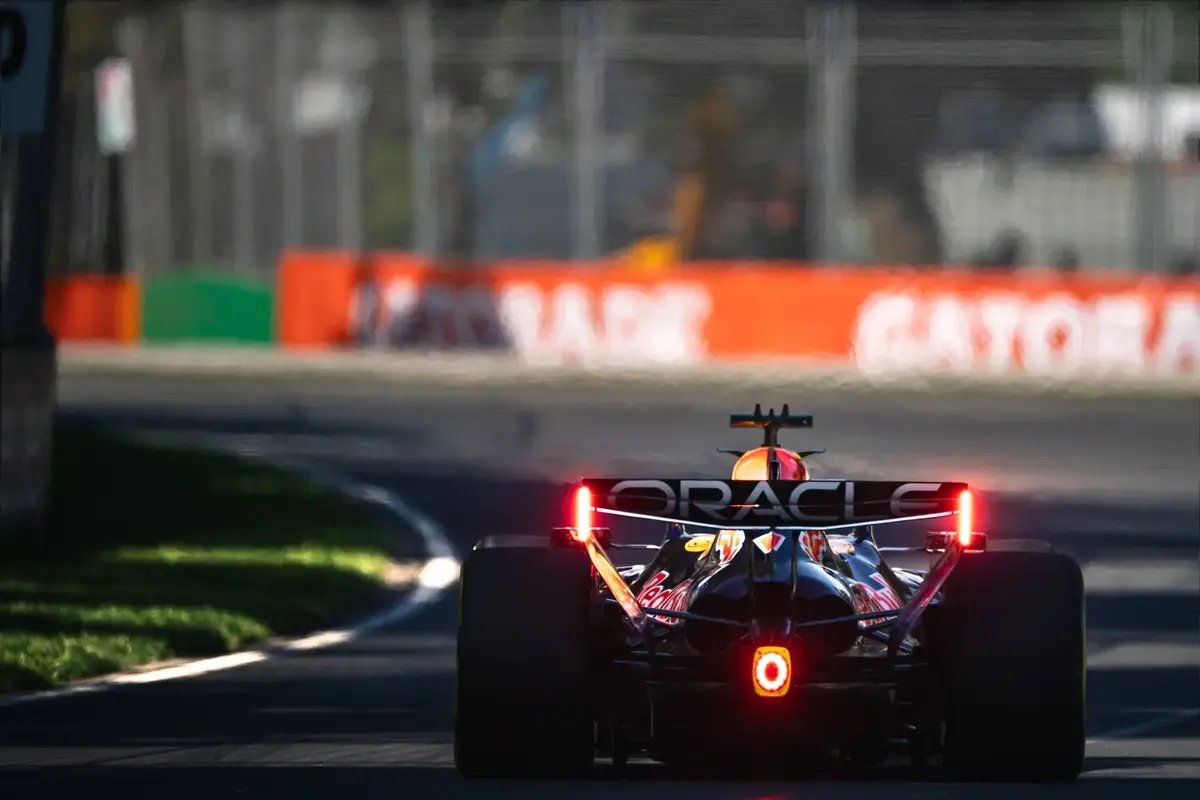
But here’s the kicker: fans will now have an unprecedented window into the energy dynamics of the race, thanks to the revamped rear LED lights on the cars! These lights are no longer mere decoration; they are critical indicators of a car’s energy status. Gone are the days when they only signaled charging or braking; now they are the pulse of the car's energy management strategy.
So, what do these signals mean? When a single LED blinks, it indicates that the MGU-K, the unit responsible for recovering energy, is still active but operating below the 350kW threshold. This means the car’s acceleration could falter, leaving competitors to capitalize on any weaknesses. A double flash, however, spells a more drastic situation: the MGU-K is entirely off, and the car relies solely on its internal combustion engine, a powerhouse exceeding 500bhp!
But the real spectacle occurs when the rear lights flash rapidly and continuously. This signals that the MGU-K is in full recharge mode while the internal combustion engine still delivers maximum thrust, allowing the driver to harvest energy even while full throttle is maintained. This phenomenon, known as super clipping, presents both a tactical advantage and a potential hazard. The rapid change in speed can catch competitors off guard, making it essential for them to be aware of the energy levels of rival cars.
Safety is at the forefront of this innovation. As drivers harness energy during high-speed moments, sudden deceleration can lead to perilous conditions on the track. The flashing lights serve as a vital warning system, alerting drivers behind to react quickly and avoid dangerous collisions.
But it doesn’t stop there! Teams are set to exploit this new system to its fullest potential. By analyzing the behavior of these lights in tandem with telemetry data, teams can decode their competitors’ energy profiles, gaining insights into power delivery and charging zones. The implications for race strategy are monumental!
Moreover, the rear lights will have additional roles that extend beyond energy management. They will signal various track conditions, including safety car phases, double yellow flags, and even stalled engines. This multi-functional aspect of the LED lights adds another layer of complexity and excitement to the sport.
As we gear up for what promises to be a thrilling 2026 season, one thing is clear: the introduction of these LED lights is not just a technical upgrade; it’s a leap towards a more strategic, electrified, and safe era in Formula 1. Buckle up, fans—this is going to be a wild ride!