FIA’s 2026 Engine Formula Slammed as a “Camel” by Ex-F1 Technical Chief Pat Symonds
In a shocking revelation that could send ripples through the motorsport community, Pat Symonds, the former technical chief of Formula 1, has unleashed a scathing critique of the FIA’s approach to the much-anticipated 2026 engine regulations. Symonds, now serving as an Executive Engineering Consultant for Cadillac as they gear up to join the F1 circus as the 11th team, didn’t hold back when he described the new power units as nothing short of a “camel”—a far cry from the sleek racehorses F1 fans expect.
Symonds, who played a pivotal role in crafting the 2022 chassis regulations, cited his growing frustration with the FIA’s tightening grip over the sport’s regulations as a driving force in his decision to step away from his technical role. “It was a little bit of the frustration that Formula One Management were getting less and less involved in the regulations,” he lamented, pointing to the 2026 power unit as a prime example of this troubling trend.
The crux of Symonds’ indignation lies in the FIA’s excessive concessions to team demands when finalizing the 2026 power units, which are slated to incorporate nearly 50% electrical power. “When we did the 2022 car, we listened to what the teams were saying, but we ruled them with a firm hand,” he stated, contrasting past decisiveness with the current lack of direction. His extensive experience as a former competitor afforded him unique insights, and he believes that rigidity is essential in the face of competing agendas from various teams.
“The 2026 power units didn’t end up the way I wanted,” he confessed, underscoring his disappointment with the decision to eliminate the MGU-H, a critical component that significantly enhances engine efficiency. This move, aimed at simplifying the engines to attract new manufacturers, has raised eyebrows, especially as it led to new entrants like Audi and Ford joining the grid.
Symonds poignantly remarked, “It’s like when you get a committee to design a racehorse, you end up with a camel.” His analogy starkly illustrates his view that the collaborative approach taken by the FIA has resulted in a diluted power unit that lacks energy efficacy. “The removal of the MGU-H was intended to simplify things, but it stripped away vital energy recovery capabilities,” he asserted, adding that an alternative solution involving energy recovery from the front axle was discarded due to opposition from one team.
The fallout from this decision has left the new power unit lacking in energy output, an outcome Symonds attributes to a misguided democratic process in decision-making. “We’ve ended up with a power unit that’s sparse on energy,” he declared, a statement that could reverberate through the F1 community as teams prepare for the future.
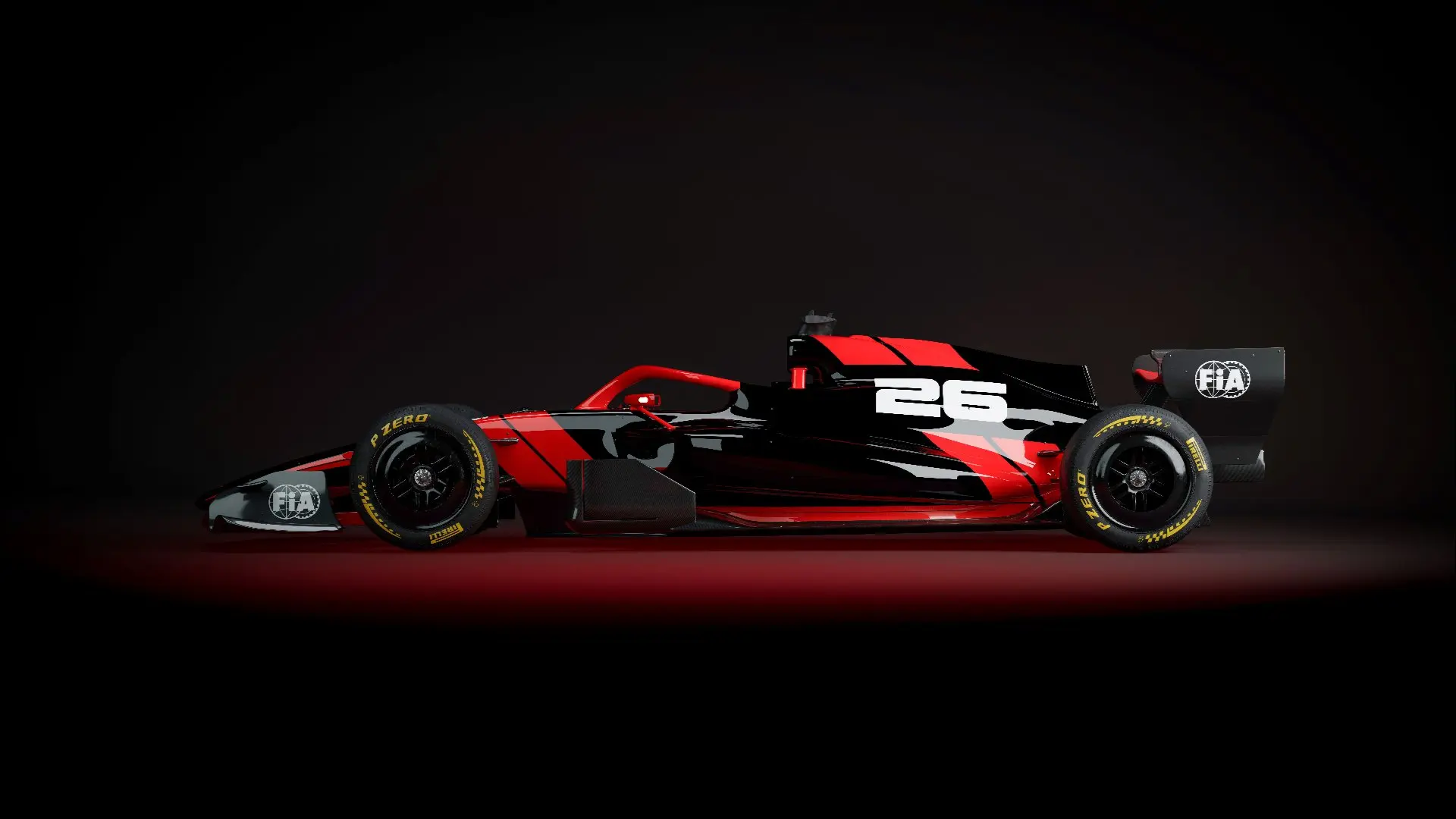
Despite his criticisms surrounding the engines, Symonds remains cautiously optimistic about other aspects of the 2026 regulations. “The chassis, the aerodynamics, I think they’re pretty good,” he noted, praising the introduction of active aerodynamics as a progressive step forward for the sport.
As the 2026 season looms on the horizon, the motorsport world is left to ponder whether the FIA’s compromises will indeed yield a competitive landscape or if they have inadvertently crafted a formula that will leave fans and teams alike yearning for more. The implications of these developments are sure to unfold as the new era of Formula 1 approaches, and Symonds’ candid insights may just be the clarion call for a much-needed reevaluation of the sport’s direction.