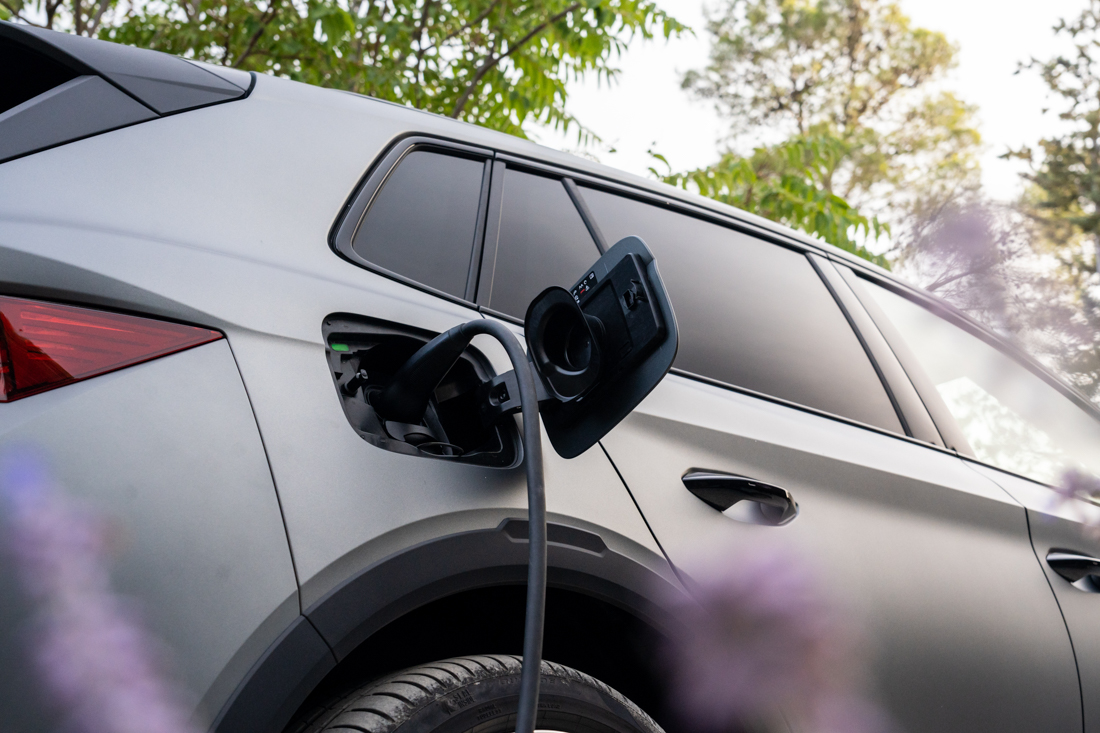
Due to the growth of electricity as an energy source for automobiles, the National Charging Network (RNC), between January and November, prevented the emission of 144,000 tons of carbon dioxide (CO2) into the atmosphere, and also avoided the consumption of more than 52 million liters of diesel. Only in November, in Portugal, there were 800,000 charging sessions for vehicles equipped with high-voltage batteries at public infrastructure, instead of fossil fuel refueling, which represents an increase of 40% compared to the same month in 2024. And 6,700 public charging stations were used, which means a 27% increase.
More charging sessions, more energy consumed, more users – in November, the electricity provided followed this positive trend, totaling, according to RNC, about 18 GWh – an increase of 48% compared to the same month last year. Thus, considering the first eleven months of 2025, there were over 8 million charging sessions, a number that corresponds to more than 180,000 MWh of energy supplied. In comparison with the same period in 2024, both usage (46%) and energy consumed (59%) increased. The number of users rose by 61%, to over 419,000.
The adoption of electromobility is, naturally, putting pressure on the infrastructure, but the RNC claims to be prepared to respond to this increase in demand. In November, the public network had 7,279 stations and 13,650 charging points, of which 2,750 were fast or ultra-fast.