Title: The Coming Chaos: Why 2026 F1 Regulations May Spell Trouble for Racing Legends Hamilton, Verstappen, and Alonso
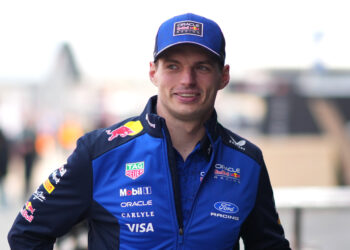
A seismic shift is on the horizon for Formula 1 as the 2026 regulations threaten to reshape the sport in a way that could leave its star drivers—Lewis Hamilton, Max Verstappen, and Fernando Alonso—grumbling in frustration. Former F1 driver David Coulthard has raised the alarm, suggesting that the new rules will transform the driving experience into a mechanical nightmare, demanding more from the drivers as managers of technology rather than pure racers relying on instinct.
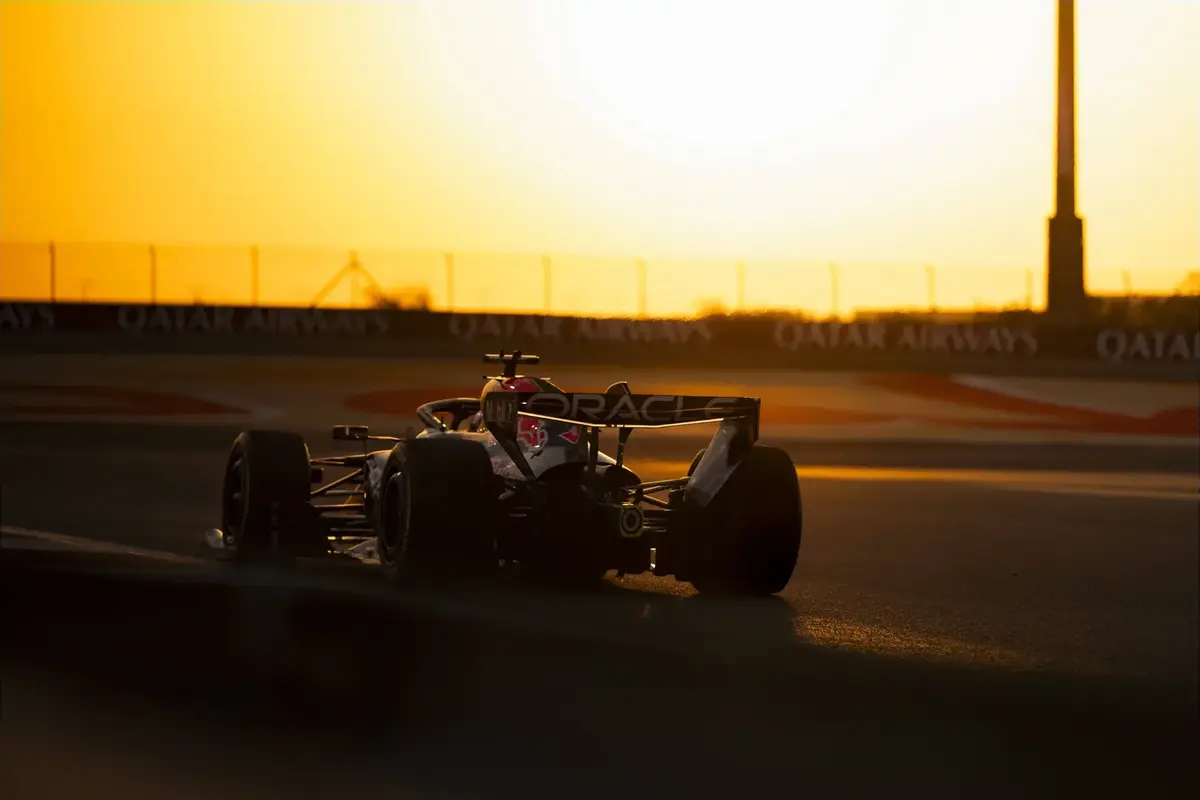
The revolutionary regulations are set to introduce a near 50-50 balance between internal combustion engines and electric power, resulting in cars that are not only smaller and lighter but also laden with complexities that could stifle the raw thrill of racing. Among these changes is the implementation of active aerodynamics on both the front and rear wings, effectively replacing the traditional Drag Reduction System (DRS). This overhaul has already prompted criticism during pre-season testing in Bahrain, with Verstappen himself describing the new setup as akin to “Formula E on steroids.”
Coulthard elaborated on the issue during an episode of the Up To Speed podcast, asserting, “All three guys you just mentioned—Lewis Hamilton, Fernando Alonso, and Max Verstappen—were somewhat negative about their driving experiences during the previous hybrid era, which featured massive ground-effect tunnels. They yearn for the days of pure, unadulterated racing from start to finish.”
The former racer underscored the shift from instinctive driving to a more mechanical approach, stating, “With these new regulations, there’s significantly more complexity in management. A staggering 50% of the energy comes from a battery, while the other half is derived from an internal combustion engine. This means that drivers will increasingly find themselves in the role of car managers rather than just drivers, which is bound to create friction.”
As the F1 community braces for this transformation, the question looms: how will these legendary drivers adapt to a landscape that seems to reward strategic management over sheer driving prowess? The essence of racing—driving by instinct and pushing the limits of their machines—may be lost amidst the intricacies of the new regulations.
Adding to the discourse, Naomi Schiff, a former W Series driver and Sky Sports F1 presenter, noted that while pushback against regulation changes is standard, this particular set of rules has ignited considerable dissent. She remarked, “Change always brings challenges, and this time, the resistance appears more pronounced. Yet, it also presents a monumental opportunity. Just look back at 2009 when Brawn GP burst onto the scene, or the Mercedes era that began in 2014, and how Red Bull mastered the ground effect in 2022. The burning question now is, who will seize the lead in this new chapter?”
As the countdown to 2026 continues, the anticipation is palpable. Will the new regulations elevate the sport into an exhilarating new era, or will they frustrate its most celebrated drivers, leaving them longing for the days when racing was about the thrill of the chase? Only time will tell, but the stakes couldn’t be higher. The world will be watching as Formula 1 stands on the brink of a transformation that could redefine the very nature of racing itself.