China has announced new rules to limit unfair competition practices in the automotive sector. It did so with the aim of supporting the sustainable development of the world’s number one market, which involves the use of a “brake” on below-cost pricing strategies, common among domestic brands, among other measures that regulate activity to make it more transparent
The Chinese authorities, with this regulation, seek to prevent the continuation of the price war in the country. The guidelines from the State Administration for Market Regulation (SAMR) establish clearer limits for pricing by manufacturers and dealers, require transparency in promotions, and also demand greater self-discipline from the sector.
The most relevant measure is the prohibition of selling new cars at prices below production costs. Manufacturers are also prohibited from engaging in cartel practices, that is, price collusion, and are required to maintain more transparent relationships with dealer networks.
The Chinese authorities, with the new package of rules, aim not only to normalize prices but also to ensure that competition among brands and dealers is based on quality, innovation, services, and trust-based relationships with customers. The idea is to put an end to the aggressive discounts that have been practiced for years, and in a widespread manner, a commercial strategy that has crushed the profitability of builders or dealers – more than half of the latter, during the first half of 2025, reported losses due to the negative combination of low prices, oversupply, and reduced demand.
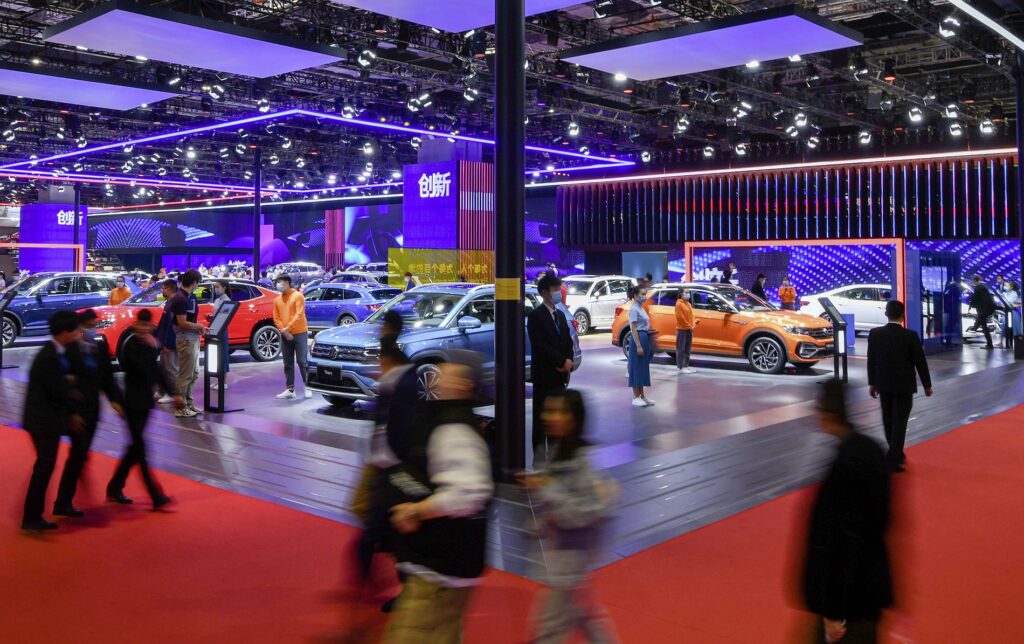
six vehicles at Auto Shanghai
The Chinese regulators have also signaled irregular practices that penalize the market, such as misleading price tags, hidden taxes, unfair promotions, and cars sold as new, but that are not first registrations, even when presenting themselves with zero kilometers. This, it is argued, penalizes transparency and, consequently, consumer trust. Many manufacturers in the country, including BYD, BAIC, Chery, and XPeng, have expressed support for the measures and say they are committed to complying with the rules, as they agree that they benefit competition.
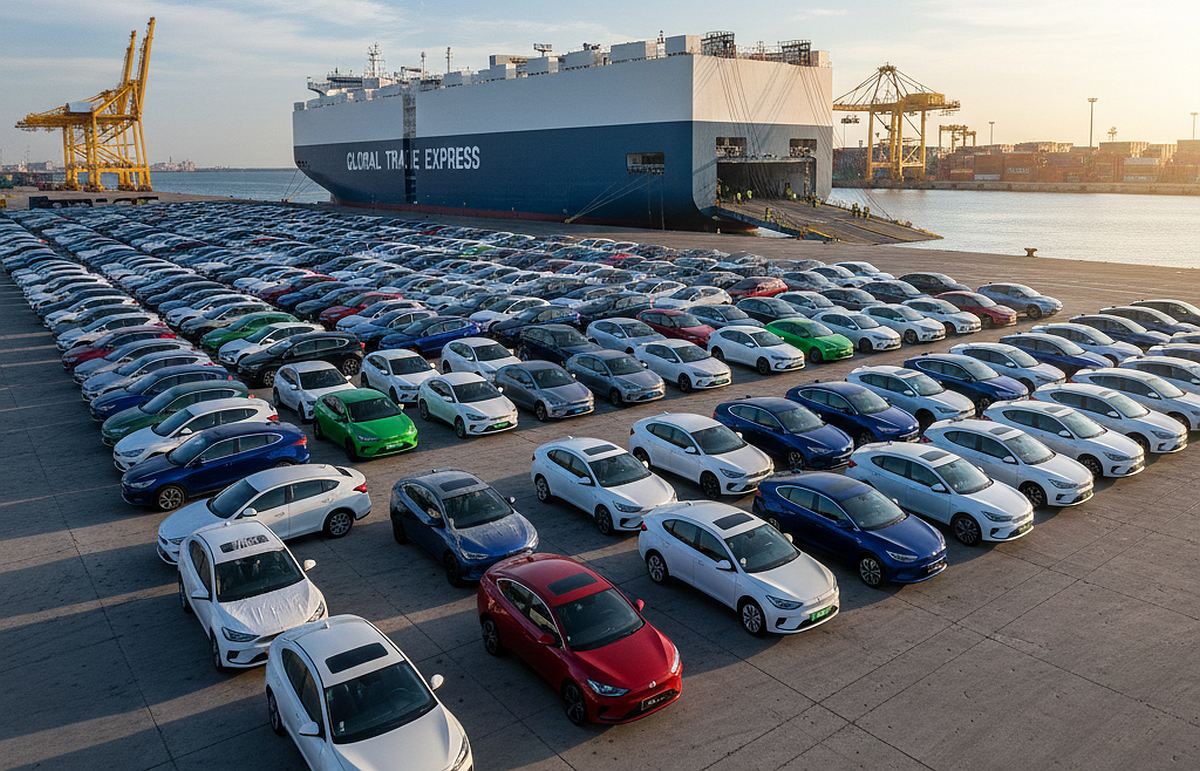
“With the support of industry leaders, and the awareness of increasing legal and reputational risks, both manufacturers and dealers are preparing for significant changes in pricing strategy and business practices. The way forward requires complex adjustments, especially for smaller operators: China aims for a more transparent, sustainable, and value-based automotive market, a market that supports innovation, strengthens internal and external competitiveness, and protects the interests of consumers and businesses,” explains an analyst from the consulting firm GlobalData. This regulation comes at a time when the China Association of Automobile Manufacturers (CAAM) announces that domestic registrations in January, compared to the same month last year, decreased by 16%, to 1.7 million units, while exports increased by 45%, to 681,000 vehicles, figures that reflect the impact of the reduction in purchase incentives imposed at the beginning of 2026.