F1's Qualifying Chaos: Is It Time to Reboot the Rules? Drivers Demand Change!
In a shocking revelation from the world of Formula 1, star driver Charles Leclerc has branded the current qualifying regulations as “a little bit silly,” highlighting a bewildering scenario where drivers can lose precious tenths of seconds due to the most minute throttle adjustments. The complexity of these rules has come under intense scrutiny, particularly after a jaw-dropping incident during the Chinese Grand Prix that left spectators and competitors alike questioning the fairness and excitement of the sport.
Leclerc's dramatic qualifying lap was abruptly sabotaged by an engine algorithm that mismanaged power deployment due to a mere throttle lift during a slide correction. This seemingly trivial adjustment cost him a staggering four tenths of a second, a monumental setback in the high-stakes world of F1 racing. The intricate energy management regulations introduced for the 2026 season are wreaking havoc on qualifying sessions, leading to bizarre outcomes that have left fans and teams alike scratching their heads.
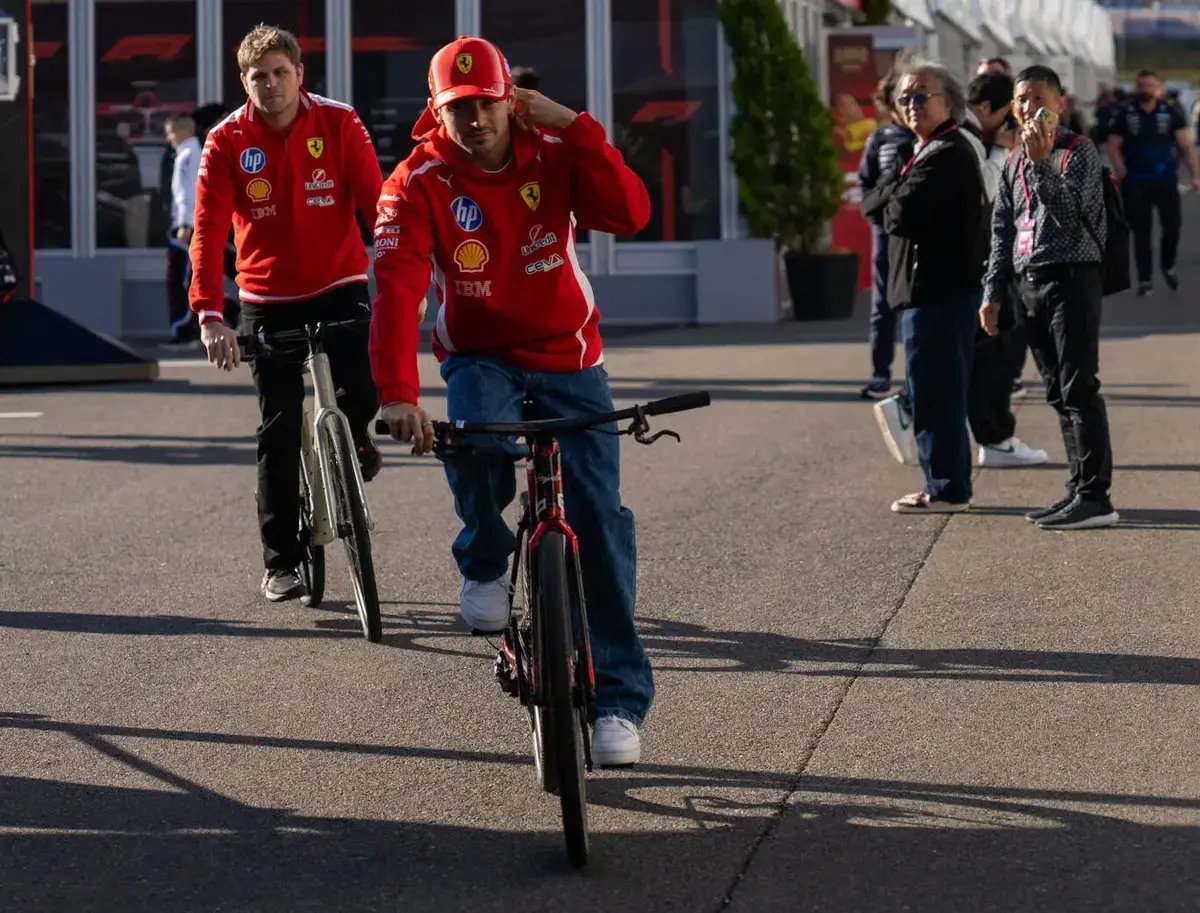
The Ferrari ace, speaking candidly at Suzuka, articulated the pressing need for reform: “These are the kinds of changes that I think we’re all little by little pinpointing to the FIA, and I’m sure that there will be some changes in the future to try and address those issues,” he stated, clearly frustrated by the consequences of a mere two or three percent throttle lift, which he described as being “in the vibration of the foot.”
Leclerc's sentiments were echoed by his fellow competitors, including China Grand Prix winner Kimi Antonelli, who contended with a similar throttle issue during his pursuit of pole position in Australia. After a minor kerb strike at Turn 4, Antonelli's foot inadvertently dropped off the throttle by just 2.7%. The result? A loss of speed that left him fuming in a sport where every millisecond counts. “You need to be very, very consistent and you have to be right with your inputs,” he lamented, underscoring the sheer unpredictability of the current system.
Esteban Ocon, Haas driver, also felt the sting of the rules during his qualifying run in China. After momentarily lifting off to 97% throttle, he suffered a performance drop that he described as an unexpected and frustrating twist of fate. “We do laps in the simulator, we try and plan for all the scenarios and then you arrive and you do this 3% throttle or 2% throttle drop, which is 2mm on the throttle pedal, and it means you lose three tenths on the back straight while you're having a good lap,” he expressed, pointing to the lack of driver control in these critical moments.
As the F1 technical chiefs prepare to convene following the Japanese Grand Prix, the urgency to overhaul qualifying procedures has never been more pronounced. Proposed solutions range from altering energy harvesting and deployment levels, to lifting fuel flow limits exclusively for qualifying, or even stripping away some of the convoluted regulations currently in place.
With the sport's integrity and the thrill of competition on the line, the time for action is now. Will the FIA heed the cries of the drivers and fans, or will they continue to let the complexity of the rules undermine the very essence of racing? The spotlight is on F1 to take decisive steps towards restoring the excitement and challenge that qualifying sessions once provided. Buckle up, because the race for reform is just getting started!