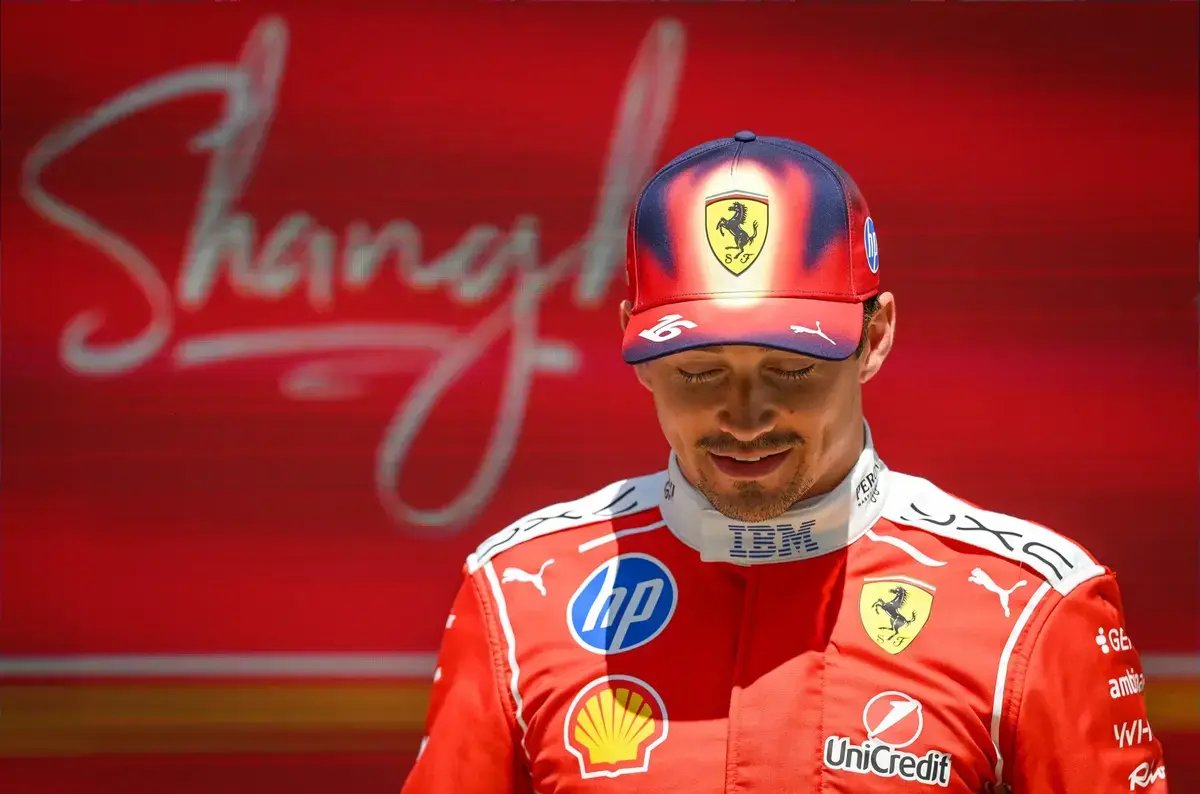
Is the Era of Wild Qualifying in Formula 1 Coming to an End? Leclerc Says “Going to the Limit Doesn't Pay Off”
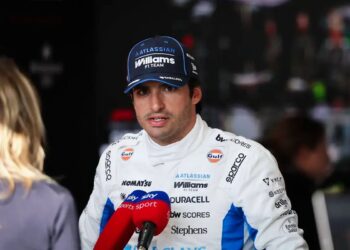
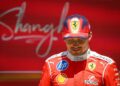
In a groundbreaking revelation that could reshape the future of Formula 1, Charles Leclerc has boldly admitted that pushing the limits during qualifying might no longer be the key to success. This intriguing shift in strategy comes as new regulations are altering the very foundations of how drivers approach their time on the track. Leclerc, the talented Monegasque driver for Ferrari, candidly shared his thoughts with Canal+, stating, “These qualifying cars are unique, and it takes some getting used to. What seems to pay off more is consistency rather than seeking something extraordinary. So today, I opted for that approach.”
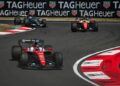
The 2026 qualifying sessions have stirred up a storm of debate, as Leclerc noted that his attempts to take corners more aggressively during SQ3 did not translate into performance gains. “I took some corners faster yesterday in SQ2, but it didn’t yield any benefits in terms of engine performance. It's not easy to explain,” he reflected. The essence of qualifying has become a perplexing puzzle; rather than relying on adrenaline-fueled, high-octane laps, drivers are finding that a steady hand is increasingly rewarded.
The Ferrari star hasn’t shied away from suggesting that changes may be on the horizon. “We need to analyze to see if we can improve this aspect. We already have some ideas regarding regulations,” he revealed, highlighting a potential evolution in the sport that could enhance the thrill of qualifying. He lamented, “It’s a bit disappointing because being able to go to the limit was one of my strengths in the past. Q3 has become less exciting because you can’t push as hard as you’d like. Unfortunately, those wild qualifying laps are a thing of the past.”
Leclerc is not alone in his sentiments. Oliver Bearman from Haas echoed this sentiment, sharing, “In Q3, I was faster through all the corners, but I lost time on the straights. That stings, especially when you see the gap widening.”
Adding to the conversation, McLaren's team principal, Andrea Stella, provided a thought-provoking perspective on the current state of qualifying. He explained, “There are aspects of driving in qualifying that can be counterintuitive for the drivers. Sometimes they make a mistake, but in reality, they’re saving energy to go faster in a subsequent sector. The energy saved by delaying acceleration due to a minor issue turns into a gain at the end of the straight.”
This philosophical dilemma raises a critical question: should the sport remain true to its racing heritage, or accept these counterintuitive strategies as the new norm? The FIA and F1 are now faced with the urgent task of gathering feedback and evaluating the situation to determine how to preserve the integrity and excitement of qualifying in Formula 1.
As we stand on the brink of a new era in motorsport, the implications of these changes could redefine racing strategies and fan experiences alike. Will Formula 1 adapt to this new way of thinking, or will it cling to the wild, unpredictable nature that has captivated audiences for decades? The coming weeks may hold the answers, as the racing world waits with bated breath.