
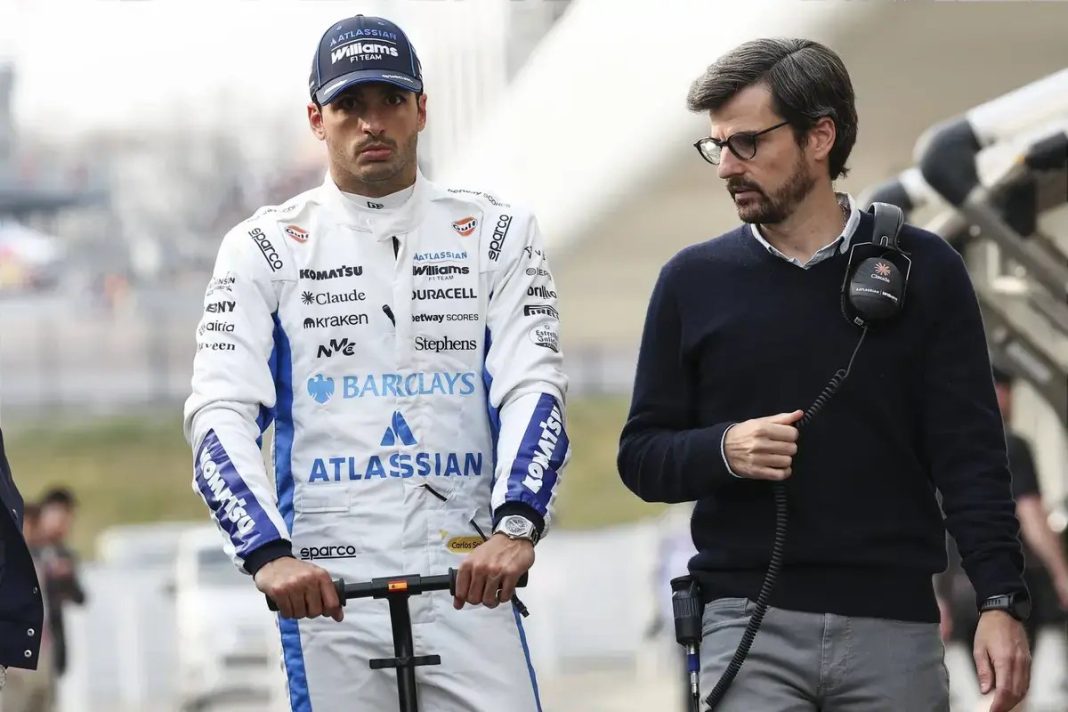

Carlos Sainz Faces the Beast of F1 2026: The New Qualifying Challenge
In the high-octane world of Formula 1, change is the only constant, and for Carlos Sainz, the shift to the 2026 regulations is proving to be a monumental challenge. Having just barely clawed his way into Q2 at the Japanese Grand Prix, the Spanish driver is grappling with a revolutionary qualifying technique that demands a delicate balance of power management and instinctive driving.
The 2026 overhaul has turned the formula on its head, focusing heavily on power units that are now split evenly between electrical and combustion energy. This radical shift has imposed a new layer of complexity on the drivers, who must now master energy recovery systems that can reclaim twice as much power per lap compared to previous seasons. Yet, the stakes are high; the removal of the MGU-H, the component that previously controlled lower revs during battery operation, has introduced a host of complications. Drivers are now facing struggles with launch configurations, as well as the need to navigate through lift-and-coast strategies and battery harvesting — all while attempting to maintain blistering speed.
The implications of these changes cannot be overstated. Legendary former F1 driver Jean Alesi has weighed in, suggesting that this new framework may actually penalize the very drivers known for their speed over a single lap, like Charles Leclerc and Max Verstappen. Yet, the rules apply uniformly, forcing every competitor, including Sainz, to adapt or fall behind.
Sainz, who previously enjoyed six pole positions with Ferrari, now finds himself in uncharted territory with Williams. His journey through the new qualifying landscape has been rocky—stumbling in Australia due to a battery malfunction and finishing a disappointing 17th in China before finally breaking into Q2 in Japan, where he qualified P16. Despite the setbacks, Sainz is not backing down. He believes he is on the verge of mastering this new qualifying paradigm, which is less about relentless speed and more about strategic energy management.
In an enlightening statement to the media during the Japanese Grand Prix, Sainz expressed his optimism: “Honestly, my group of engineers and I have done a very good job over the winter to understand it, and I feel like we’re doing a very good job on understanding it and driving it. In that sense, I think I’m 90, 95 percent close to understanding everything.”
However, he candidly acknowledged the mental hurdles he faces, stating, “There’s definitely surprises that come now and then, but I feel like I’ve been not very surprised by it, given how new it is. It’s more how disciplined you want to be with your driving.” The crux of the matter lies in the tension between instinct and discipline—how far can a driver push before the system retaliates?
Sainz lamented the emotional toll of qualifying, admitting that the new system often leaves drivers feeling dissatisfied: “You always feel like you could have done better, you always feel like you could have done more, you always feel like you can be more efficient when you’re driving.”
As he fights to reconcile his natural racing instincts with the stringent demands of the new regulations, the question looms: can Carlos Sainz harness his “animal instinct” to not just survive, but thrive in this brave new world of Formula 1? The clock is ticking, and the pressure is mounting. Fans and analysts alike will be eagerly watching how this season unfolds for the talented Spaniard.
Stay tuned for more electrifying updates as Sainz battles the challenges of F1 2026 and strives to reclaim his place among the elite drivers in the sport.