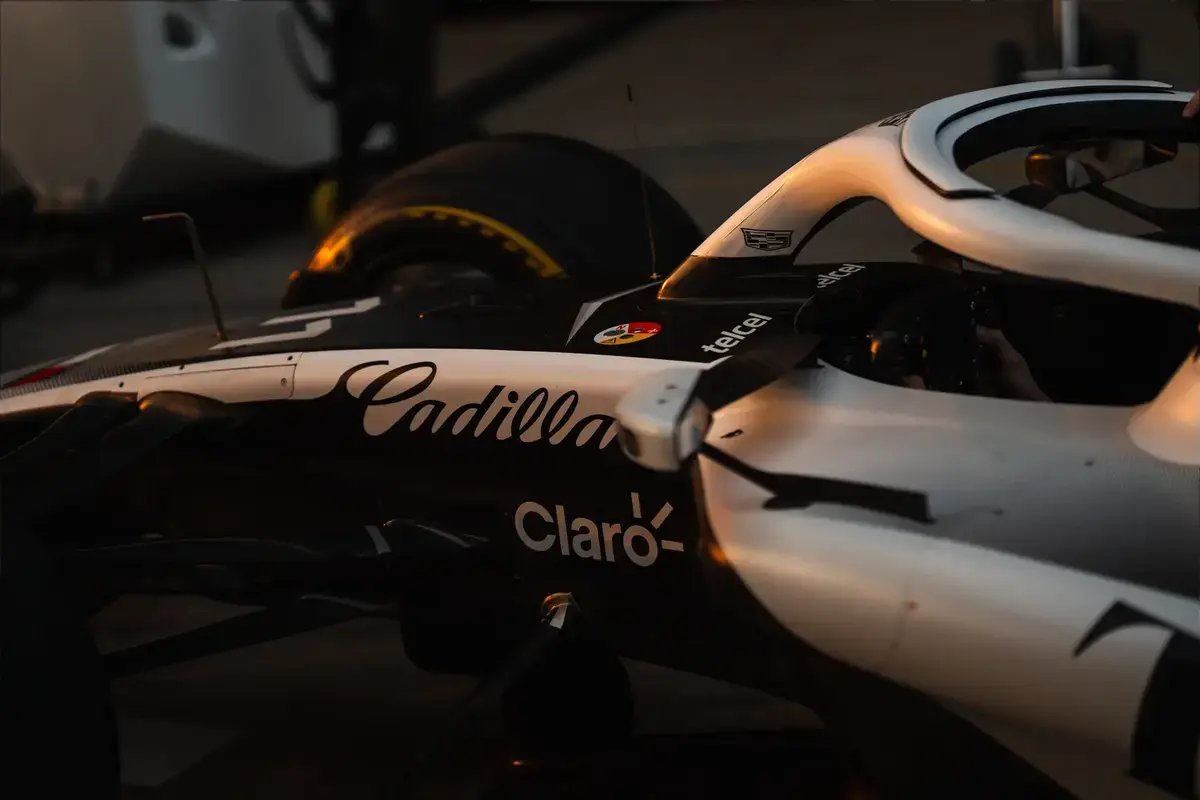
Cadillac's Thrilling Entry into F1: A New Era Begins Amidst Challenges and Ambitions
In a groundbreaking move that has sent shockwaves through the motorsport world, Cadillac has officially launched its Formula 1 team, marking a thrilling chapter in the history of the sport. However, the journey to this momentous debut has not been without its hurdles. As the first true start-up team to join the F1 landscape in over a decade, Cadillac's road has been as rocky as it is exhilarating.
With its base in Silverstone, UK, and various facilities across the United States, Cadillac, co-owned by the automotive giant General Motors, has been fiercely ramping up its workforce and operations. The challenge of competing against the well-established giants of F1 is immense, yet the team is determined to carve out its place in the grid. Team principal Graeme Lowdon expressed a sense of accomplishment regarding their debut, despite some setbacks during the race. “It was a great experience, and while Valtteri Bottas had to retire early due to a steering wheel malfunction—something outside our control—Sergio Perez managed to finish, which is a significant achievement for our first outing,” he stated.
The hurdles faced by Cadillac's team were apparent as they navigated the complexities of a competitive race weekend. “We saw some well-known teams struggle, underscoring just how challenging the new 2026 regulations are,” Lowdon noted. While Bottas's early exit was disappointing, Perez’s performance provided a glimmer of hope. The team had strategically adjusted their race plan, opting for a two-stop strategy that paid off, demonstrating their tactical acumen.
Lowdon highlighted the invaluable lessons learned from the weekend. “Conducting our first-ever pit stops was a pivotal moment for us,” he explained. The Melbourne race weekend was not just about competition; it served as a practical learning platform for the fledgling team. “We gathered a wealth of data, which is crucial for our development. Finishing our first grand prix with one car intact is a remarkable achievement,” he added.
In preparation for this debut, Cadillac's team had invested heavily in a rigorous “race ready” program, simulating race weekends with astonishing realism from their bases in Silverstone and Charlotte. This approach allowed them to make real-time strategic decisions and practice communications under pressure. Reflecting on this initiative, Lowdon stated, “Without that extensive preparation, finishing the race would have been incredibly difficult. We faced numerous challenges simultaneously, like the steering wheel issues. The race simulations proved invaluable.”
As Cadillac celebrates this milestone, they are already setting their sights on the future. After a brief “honeymoon” phase of merely 72 hours in Melbourne, the focus shifts to enhancing performance and ensuring both cars can consistently finish races. Perez, the optimistic Mexican driver, is eager to close the performance gap. “Our first goal has been accomplished, but now it's essential to reduce the time difference race by race. The car we started with was basic, having been signed off well in advance. But with our experienced team and resources, I fully expect us to evolve significantly in the coming months,” he asserted.
Cadillac is not alone in the pursuit of aerodynamic advancements under the new regulations; the competition is fierce. However, Lowdon remains confident, outlining a clear “route map” for performance improvements for the Ferrari-powered MAC-26. “Our immediate aim is to get both cars across the finish line and start enhancing our pace. While it won't happen overnight, I genuinely believe we will begin closing the gap,” he concluded.
As Cadillac revs its engines for the upcoming races, the motorsport community watches with bated breath. Will they rise to the challenge, or will the pressures of F1 prove too great? Only time will tell, but one thing is certain: Cadillac has ignited the engines of a new era in Formula 1, and the world is ready for the ride.